
Imagine making an object at home from a file: a spare part, a toy, a everyday item, or a personal creation. That’s what 3D printing promises, once reserved for industry and now accessible to individuals. But is it just a passing trend, a hobbyist gadget? Or a truly useful tool that changes the game? Between fascination and reality, here’s an honest overview of home 3D printing: what it is, what you can really do with it, its limits, and who it’s for.
How 3D printing works and what it’s for
3D printing is a MANUFACTURING technique that builds an object in THREE DIMENSIONS, usually by depositing material LAYER by layer (most often melted plastic, for consumer printers), from a DIGITAL MODEL (a 3D file). In simple terms: you start with a file describing an object, and the printer « builds » it physically, step by step. This is different from traditional manufacturing: instead of carving from a block or molding, you ADD material progressively (hence the term « additive manufacturing »). What this allows at home: making VARIOUS OBJECTS from files—spare parts (a button, a fastener, a broken piece you can’t find anymore), useful items (storage, mounts, accessories), toys, figurines, personal creations, prototypes. You can: DOWNLOAD ready-made models (enormous online libraries of free or paid 3D files exist), CUSTOMIZE them, or CREATE your own (with 3D modeling software, which requires learning). The PRACTICAL USES: REPAIR (remaking a small, unfindable plastic part), HOME IMPROVEMENT (creating custom objects), CREATIVE HOBBIES (making, creating, personalizing), EDUCATION (learning, understanding, experimenting), and hobbyist projects (makers, technical hobbies). Why the EXCITEMENT? Because consumer 3D printers have become more AFFORDABLE, EASIER to use, and more reliable; the idea of making your own objects is fascinating (autonomy, creativity, repair); and the possibilities seem endless. BUT be HONEST about reality: home 3D printing has real possibilities, but also real LIMITS (see below); it requires learning, time, and suits some uses and profiles more than others. What to understand: consumer 3D printing is a real and fascinating tool, capable of making useful objects at home; but it’s neither a magic wand that makes everything with a click, nor a simple gadget: it’s a tool with concrete uses, a learning curve, and limits, better suited to certain needs and passions. The key idea: 3D printing builds objects layer by layer from digital files; at home, it lets you create various objects (spare parts, useful items, toys, creations) by downloading or designing models. Now more accessible, it fascinates with its possibilities. But between hype and real utility, the truth is nuanced: a tool with real possibilities AND real limits, to be approached with discernment based on your needs.
3D printing is a way to make physical objects from digital files, layer by layer. At home, it can create spare parts, custom items, or toys. It’s not magic—it takes time, practice, and isn’t perfect for everything. It’s useful for specific needs, like fixing broken things or creative projects, but not for making everything instantly.
Imagine your child’s favorite toy breaks, and the replacement part is no longer sold. With a 3D printer, you could download or design a replacement part, print it in plastic, and fix the toy. This saves money, reduces waste, and gives you independence from retailers. However, the print might take a few hours, and the part might not be as strong as the original.
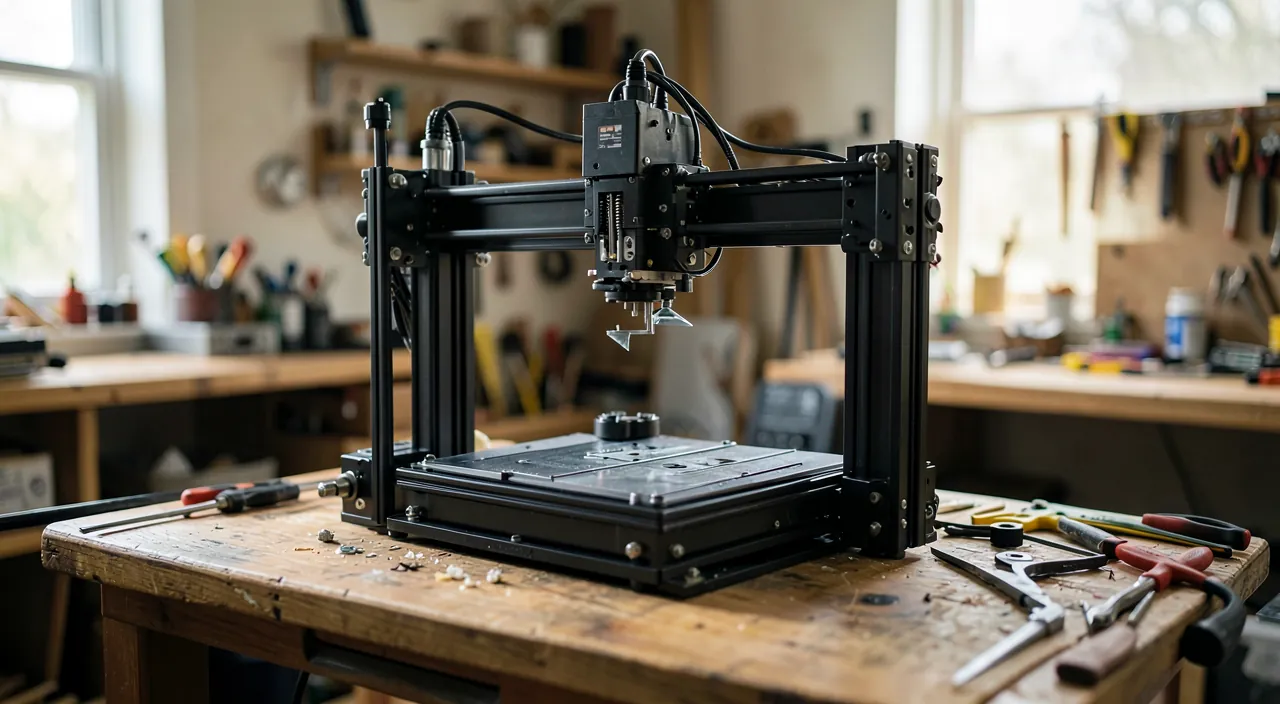
Hype or really useful? A nuanced reality
So, home 3D printing: gadget or useful tool? The honest answer is NUANCED, and depends on your needs and profile. What’s REALLY USEFUL: REPAIR and custom parts—being able to remake a small, unfindable plastic part is a real asset (anti-waste, autonomy); creating custom objects (storage, mounts, adapted accessories) meets specific needs that retail doesn’t cover; for these uses, 3D printing is truly practical. CREATIVE HOBBIES and learning—for those who love making, creating, tinkering, experimenting, it’s a fantastic tool for creation and exploration; a passionate and educational hobby. What’s more of a HYPE or illusion: the idea that you’d « make everything » at home—no; 3D printing doesn’t replace buying most objects (often cheaper, faster, better quality); it’s useful for specific cases, not for everything; the idea that it would be « magical and instant »—no; it requires learning, time, adjustments, and trial and error. The REAL LIMITS to know: a NECESSARY LEARNING CURVE (using a 3D printer, finding or creating models, adjusting, fixing failures takes time and patience); SLOWNESS (printing an object often takes hours); MATERIALS and QUALITY (consumer objects are mostly plastic, with variable finish and strength; not industrial quality); LIMITED SIZE of objects; COST (printer, material, maintenance—only cost-effective if you actually use it); MAINTENANCE and failures (prints sometimes fail; the printer needs care); and SAFETY concerns (fumes from some plastics—ventilate; hot parts—keep out of children’s reach). FOR WHOM is it for? For PASSIONATES of tinkering, technology, and creation, who love making and learning; for those with REGULAR SPECIFIC NEEDS (repairs, custom parts); less for those who expect to « make everything easily » (guaranteed disappointment). How to approach it: EVALUATE your REAL NEED—do you have concrete, regular uses (repairs, creations)? an interest in technical creative hobbies? or just passing fascination? BE REALISTIC—about learning, time, limits (quality, slowness, cost); it’s not magic. INFORM YOURSELF and start modestly—before investing, research, see if the use fits you. RESPECT SAFETY—ventilation, caution with heat, keep out of children’s reach. In short, home 3D printing is neither pure hype nor a revolution that makes everything: it’s a tool with real possibilities (repair, custom parts, creative hobbies, learning) AND real limits (learning, slowness, limited quality and materials, cost, maintenance). It’s truly useful for certain uses and profiles (passionates, specific needs), less for those who expect magical fabrication of everything. Evaluate your real need, be realistic about limits, and approach it with discernment.
The right reflex. Before diving in (or investing) in home 3D printing, honestly ask yourself: what is my REAL NEED? The answer determines if it’s for you. 3D printing is REALLY USEFUL in two cases: for CONCRETE and regular uses (remaking a small, unfindable plastic part, creating custom objects that retail doesn’t offer—storage, mounts, adapted accessories), and for TECHNICAL CREATIVE HOBBIES (if you love making, tinkering, creating, experimenting—it’s then a passionate hobby). On the other hand, if you expect to « make everything easily » at home, you’ll be disappointed: 3D printing doesn’t replace buying most objects (often cheaper, faster, and better quality), it’s useful for specific cases, not for everything. Also be REALISTIC about limits: it’s not magic or instant—it requires LEARNING (using the printer, finding or creating models, adjusting, fixing failures), TIME (printing often takes hours), and consumer objects are mostly plastic, with variable finish and strength (not industrial quality); add the cost (printer, material, maintenance—only cost-effective if you actually use it) and prints that sometimes fail. The right reflex before investing: INFORM YOURSELF, start modestly, and see if the use really fits you (rather than being swept away by fascination). Finally, respect SAFETY: ventilate (some plastics emit fumes), be careful with hot parts, and keep the printer out of children’s reach. Evaluating your real need, being realistic about learning and limits, starting modestly: that’s how you approach 3D printing with discernment. For passionates and those with specific needs, it’s a truly useful and rewarding tool; for those seeking magical fabrication of everything, it’s a guaranteed disappointment. The right use depends on the right profile and need: it’s up to you to see where you fit.
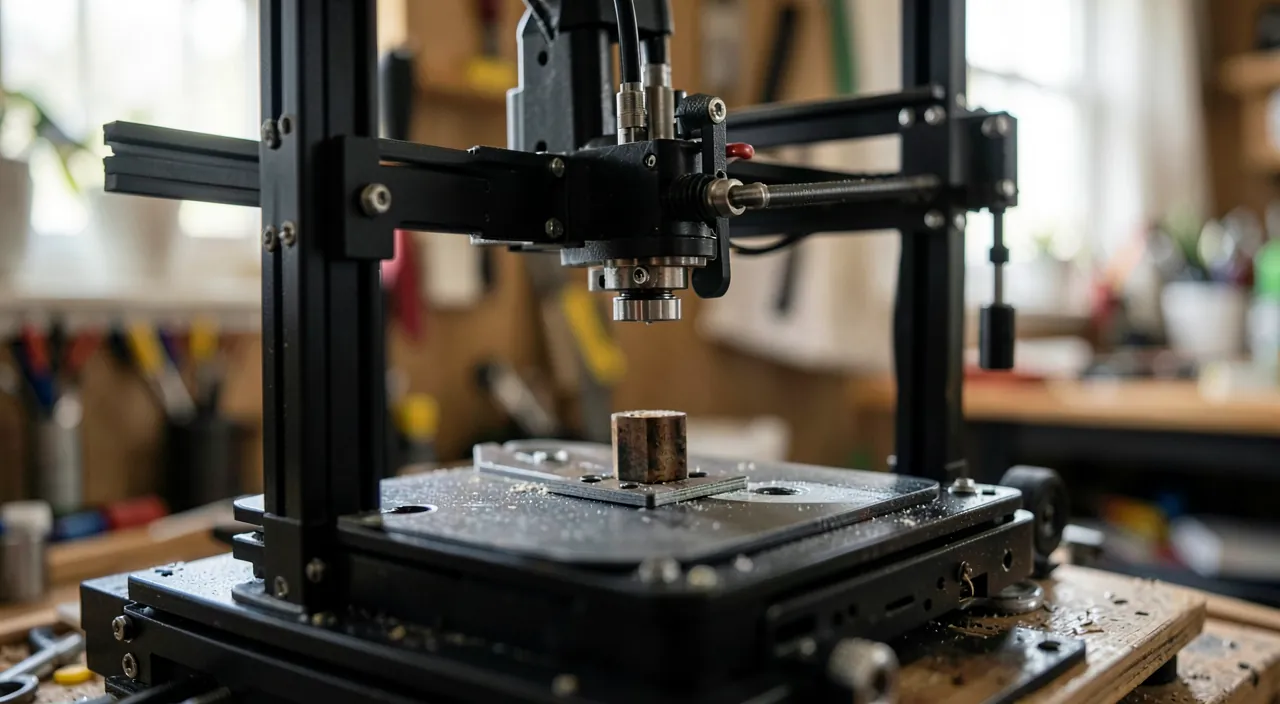
A tool in its rightful place, neither gadget nor miracle
3D printing perfectly illustrates the importance of separating reality from technological fascination: seeing it in its RIGHTFUL PLACE, neither useless gadget nor miracle solution. Some guidelines. The REAL POSSIBILITIES: making spare parts, custom objects, creating; these are real assets, appreciated by those who need them; 3D printing isn’t just a toy. The REAL LIMITS: learning, slowness, limited quality and materials, cost; don’t underestimate them; 3D printing isn’t a magical universal factory. The NEED MATCH: the key is whether YOUR needs and profile match; useful and rewarding for passionates and specific uses; disappointing for those expecting the impossible. REALISM vs. hype: like any « trendy » technology, 3D printing has been oversold (it was announced as a revolution for everything); reality is more modest and nuanced; keep a critical eye on promises. VALUE for the right uses: for repair (anti-waste), customization, creation, learning, it’s a meaningful and truly interesting tool; don’t underestimate it either. EVOLUTION: technology progresses (easier, more accessible); what’s true today may improve; stay informed if the topic interests you. SAFETY and responsibility: ventilate, caution with heat, respect children; and respect rights (some 3D files are protected). In summary, 3D printing builds objects layer by layer from files, and at home, lets you create various objects (spare parts, useful items, toys, creations). Now more accessible, it fascinates; but between hype and real utility, the truth is NUANCED: a tool with real possibilities (repair, custom parts, creative hobbies, learning) AND real limits (necessary learning, slowness, limited quality and materials, cost, maintenance). It’s truly useful for certain uses and profiles (tinkering and creation passionates, regular specific needs), less for those who expect magical fabrication of everything. To approach it: evaluate your real need, be realistic about limits, inform yourself and start modestly, respect safety. At its core, 3D printing is neither a trendy gadget nor a miracle solution: it’s a tool in its rightful place—truly useful for the right uses and profiles, disappointing for false expectations. Wisdom lies in judging it not on hype or fascination, but on its match to YOUR concrete needs. Thus understood and well used, it provides real services to those it concerns; it’s simply a matter of knowing if you’re one of them, and expecting what it can really offer—no more, no less.
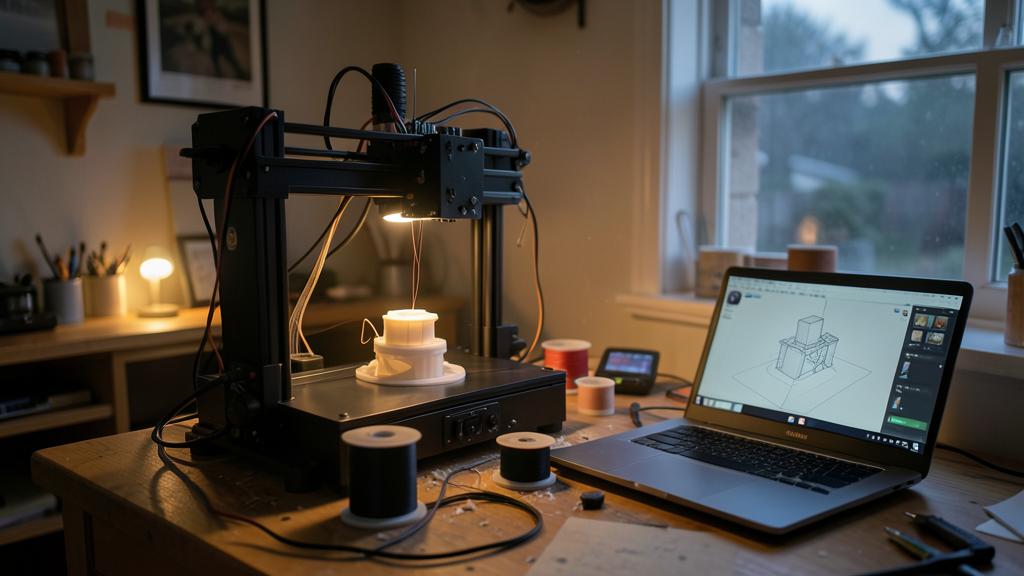
Warning: be realistic about limits, respect safety, and don’t get carried away by fascination. Key points to remember. UNREALISTIC EXPECTATIONS—the main trap is believing you’ll « make everything easily and magically » at home: that’s false; 3D printing requires LEARNING (using the printer, finding or creating models, adjusting, fixing failures), TIME (hours per object), and mostly produces plastic objects of VARIABLE quality and strength (not industrial quality); it doesn’t replace buying most objects (often cheaper, faster, better); it’s useful for specific cases (repairs, custom parts, creation), not for everything; unrealistic expectations lead to disappointment and a regretted purchase that gathers dust. SAFETY—home 3D printing isn’t risk-free: some plastics emit FUMES during printing (ventilate the room, don’t sleep nearby); some printer parts get HOT (burn risk); the machine sometimes runs for long periods unattended (watch for risks); and all this must be kept OUT OF REACH of unsupervised children; follow the manufacturer’s safety guidelines. COST AND MAINTENANCE—beyond the printer, there’s the material (consumable), maintenance, and failed prints (wasting material and time); the investment is only cost-effective if you ACTUALLY use the printer; don’t buy it on a whim without a real use. Other points: respect RIGHTS (some 3D files are protected by intellectual property—don’t reproduce anything); don’t print DANGEROUS or illegal objects, and remember that 3D modeling (creating your own objects) requires real additional learning. Home 3D printing is a real and fascinating tool, but neither a useless gadget nor a miracle solution: the key is REALISM. Honestly evaluate your need (do you have concrete uses, a taste for technical creative hobbies?); be lucid about learning and limits (slowness, quality, cost); respect safety; and don’t get carried away by fascination or hype. For passionates and specific needs, it’s a meaningful tool that provides real services; for false expectations, it’s a disappointment. Judge it on its match to YOUR needs, not the hype: that’s how you put it in its rightful place.
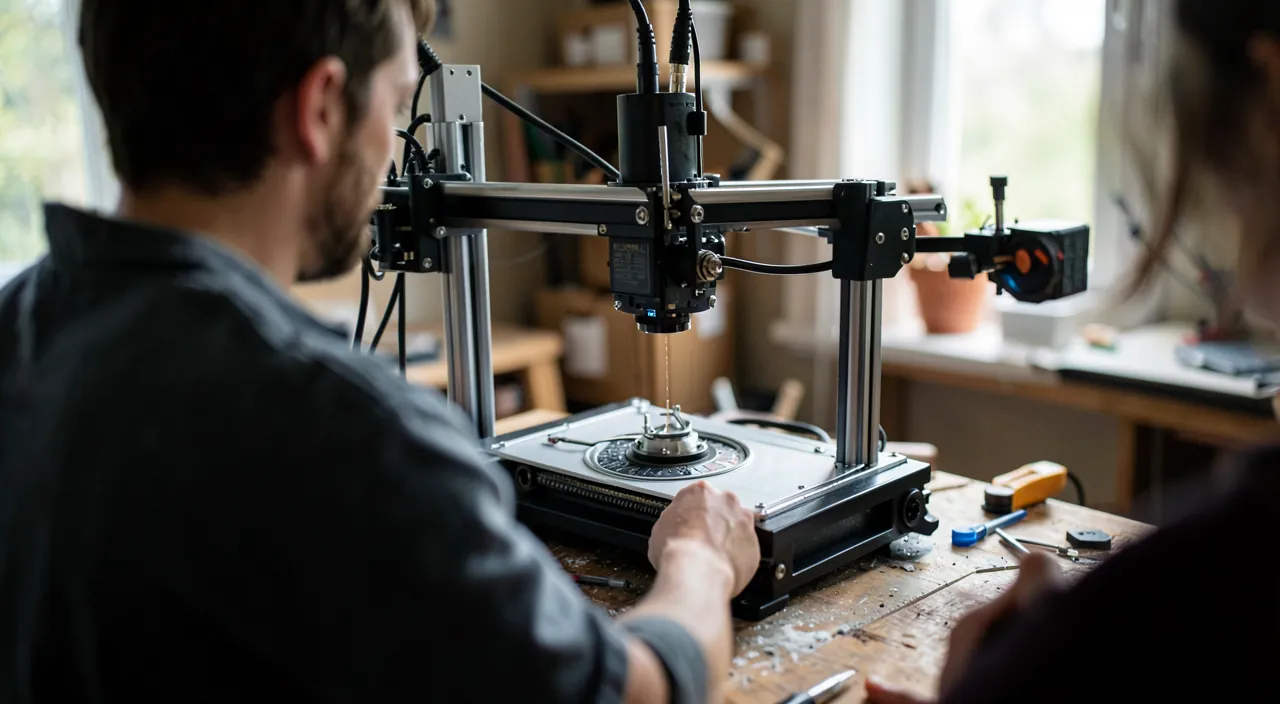
Frequent questions
What can you make with a home 3D printer?
Various objects, from 3D files: SPARE PARTS (a button, a fastener, a broken plastic part you can’t find), USEFUL ITEMS (storage, mounts, custom accessories), TOYS and figurines, PERSONAL CREATIONS, prototypes. You can download ready-made models (enormous online libraries of free or paid 3D files exist), customize them, or create your own (with 3D modeling software, which requires learning). The most concrete and useful uses: REPAIR (remaking a small, unfindable part, anti-waste), HOME IMPROVEMENT (custom objects), CREATIVE HOBBIES, and learning. But be realistic: 3D printing doesn’t make « everything »; consumer objects are mostly plastic, with variable quality and strength, and printing takes time (hours); it doesn’t replace buying most objects. It’s truly useful for specific cases (repairs, custom parts, creation), not as a universal factory. What you can do with it depends on your needs, learning, and patience: a concrete tool for the right uses, not a magic wand.
Is home 3D printing really useful or just a gadget?
The honest answer is NUANCED, and depends on you. It’s REALLY USEFUL for: repair and custom parts (remaking an unfindable broken part, creating adapted objects that retail doesn’t offer), and technical creative hobbies (if you love making, tinkering, creating, experimenting). For these uses and profiles (passionates, regular specific needs), it’s a real and rewarding tool, not a gadget. On the other hand, it’s more of an illusion if you believe you’ll « make everything easily and magically »: 3D printing doesn’t replace buying most objects (often cheaper, faster, better), requires learning and time (hours per object), and mostly produces variable-quality plastic. Neither a useless gadget nor a miracle solution: a tool in its rightful place, useful for the right uses and profiles, disappointing for false expectations. To know if it’s for you: evaluate your real need (do you have concrete uses, a taste for technical creative hobbies?); and be realistic about learning and limits. If you recognize yourself in the useful uses, it can really serve you; if you’re looking for a magical universal factory, better to walk away.
Do you need skills to use a 3D printer?
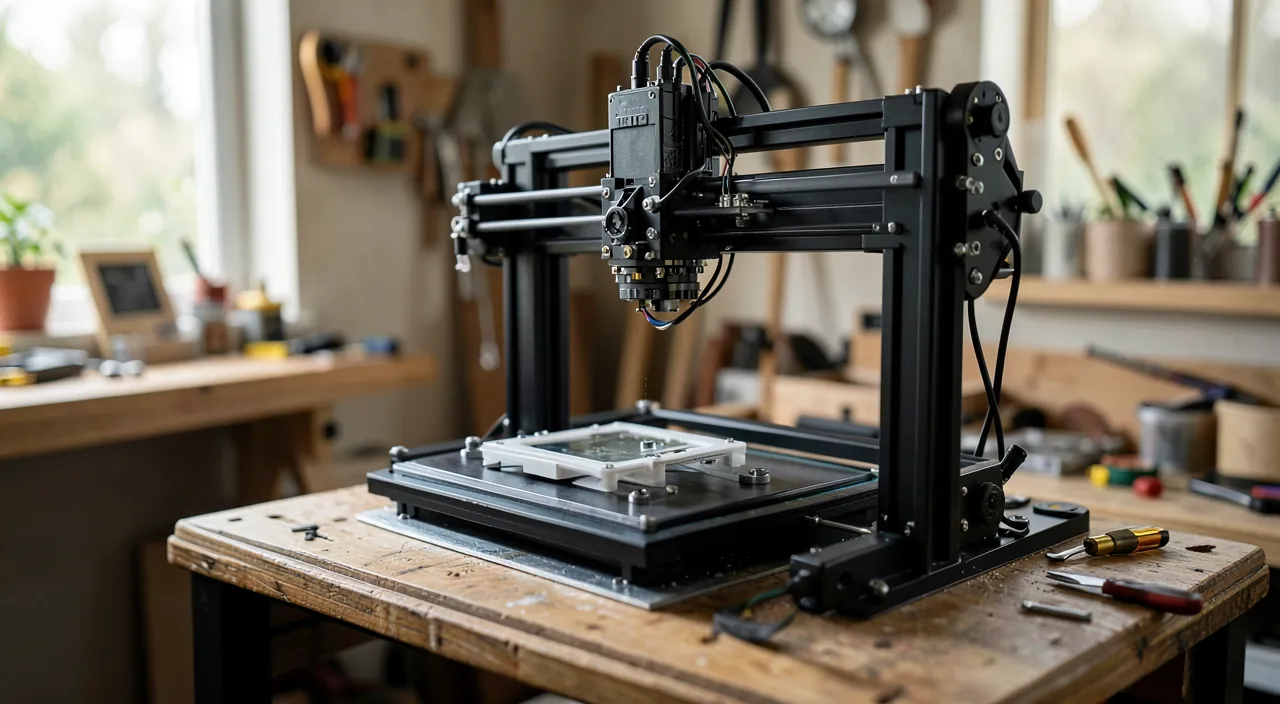
Yes, some learning is required: it’s not « magical and instant. » Using a 3D printer involves understanding its operation, finding or preparing 3D files, making ADJUSTMENTS, and fixing failures (prints sometimes fail); this takes time, patience, and trial and error, especially at first. Good news: consumer printers have become easier and more reliable, and many resources (tutorials, communities) help you learn. To DOWNLOAD and print ready-made models (from online libraries), the learning curve is relatively accessible. To CREATE your own objects, you’ll also need to learn 3D modeling (with software), which requires more significant additional learning. So: no need to be an engineer, but you must accept learning and experimenting. That’s why 3D printing suits people who LOVE tinkering, learning, and experimenting (for whom learning is part of the fun), and less those who want an immediate result without effort. If you’re ready to invest time in learning, it’s within your reach; if you want a « plug and play » magical tool, you’ll be frustrated.
What to remember
3D printing builds objects LAYER by layer (most often in plastic, for consumers) from digital 3D files: you start with a model, and the printer builds it physically. At home, it lets you create various objects—spare parts (a broken, unfindable part), custom useful items (storage, mounts), toys, creations—by DOWNLOADING ready-made models (enormous online libraries) or DESIGNING your own (with 3D modeling learning). Now more affordable, easy, and reliable, it fascinates with its possibilities. But between hype and real utility, the truth is NUANCED. What’s REALLY USEFUL: REPAIR and custom parts (anti-waste, objects adapted that retail doesn’t offer), and TECHNICAL CREATIVE HOBBIES (for those who love making, tinkering, creating, learning). What’s illusory: the idea that you’d « make everything easily and magically »—no; 3D printing doesn’t replace buying most objects, and it’s nothing instant. The REAL LIMITS: a NECESSARY LEARNING CURVE (using the printer, finding or creating models, adjusting, fixing failures—it’s not « plug and play »), SLOWNESS (hours per object), LIMITED QUALITY and materials (mostly variable-strength plastic, not industrial quality), COST (printer, material, maintenance—only cost-effective if you actually use it), and failures. FOR WHOM? For PASSIONATES of tinkering, technology, and creation, and those with REGULAR SPECIFIC NEEDS; less for those who expect magical fabrication of everything. To approach it: honestly evaluate your REAL NEED, be REALISTIC about learning and limits, inform yourself and start modestly (rather than succumbing to fascination), and respect SAFETY (ventilation against some plastics’ fumes, caution with heat, out of children’s reach). At its core, home 3D printing is neither a trendy gadget nor a miracle solution: it’s a tool in its rightful place—truly useful and rewarding for the right uses and profiles, disappointing for false expectations. Judge it not on hype or fascination, but on its match to YOUR concrete needs. Thus understood and well used, it provides real services to those it concerns: it’s a matter of knowing if you’re one of them, and expecting what it can really offer—no more, no less.
Want to understand and master the technologies changing your daily life? Our training programs will enlighten you.
Leave a Reply
You must be logged in to post a comment.