
The electric car is no longer a curiosity: it is becoming part of the landscape, on our roads, in parking lots, and at charging stations. But beyond the debates and misconceptions, what does life WITH an electric car really look like on a daily basis? How does charging work, is the range sufficient, is it really more economical and ecological? Let’s take stock, without activism or catastrophism, of what the electric car concretely changes in everyday life.
The electric car: what are we talking about?
Let’s lay the groundwork to understand what changes with an electric car. The PRINCIPLE: unlike a thermal car (gasoline, diesel) that burns fuel, the electric car runs on an ELECTRIC MOTOR powered by a large BATTERY, which we RECHARGE (on a plug, a charging station); no fuel, no gas fill-up, but electricity. What CHANGES concretely on a daily basis: RECHARGING replaces the gas fill-up (you plug in the car, rather than going to the pump — we’ll come back to that); driving is different (silent, smooth, immediate acceleration); maintenance is generally reduced (electric motor is simpler, fewer wear parts: no oil change, less mechanics); the cost of use is often lower (electricity usually costs less than fuel); and there are no exhaust emissions (no exhaust pipe). The DIFFERENT types: the 100% ELECTRIC car (only battery and charging); the HYBRID (combines thermal and electric engines; some « rechargeable » ones can be plugged in, others cannot); here, we mainly talk about the 100% electric. The QUESTIONS everyone asks: range (how many kilometers?), charging (how, where, how long?), cost (is it more economical?), ecology (is it really better?), purchase price, daily practicality; we address them. The CONTEXT: the electric car is developing rapidly, driven by environmental challenges, regulatory changes, and technological improvements (range, charging network); it raises debates (real ecology, practicality, cost, batteries); the goal here is to see clearly, factually. What to remember to start: the electric car runs on a battery that you recharge (instead of filling up); this changes daily life: charging at home or at a station, silent driving, reduced maintenance, often lower cost of use, no exhaust emissions; it raises legitimate questions (range, charging, cost, ecology) that need to be examined without misconceptions. Let’s do that.
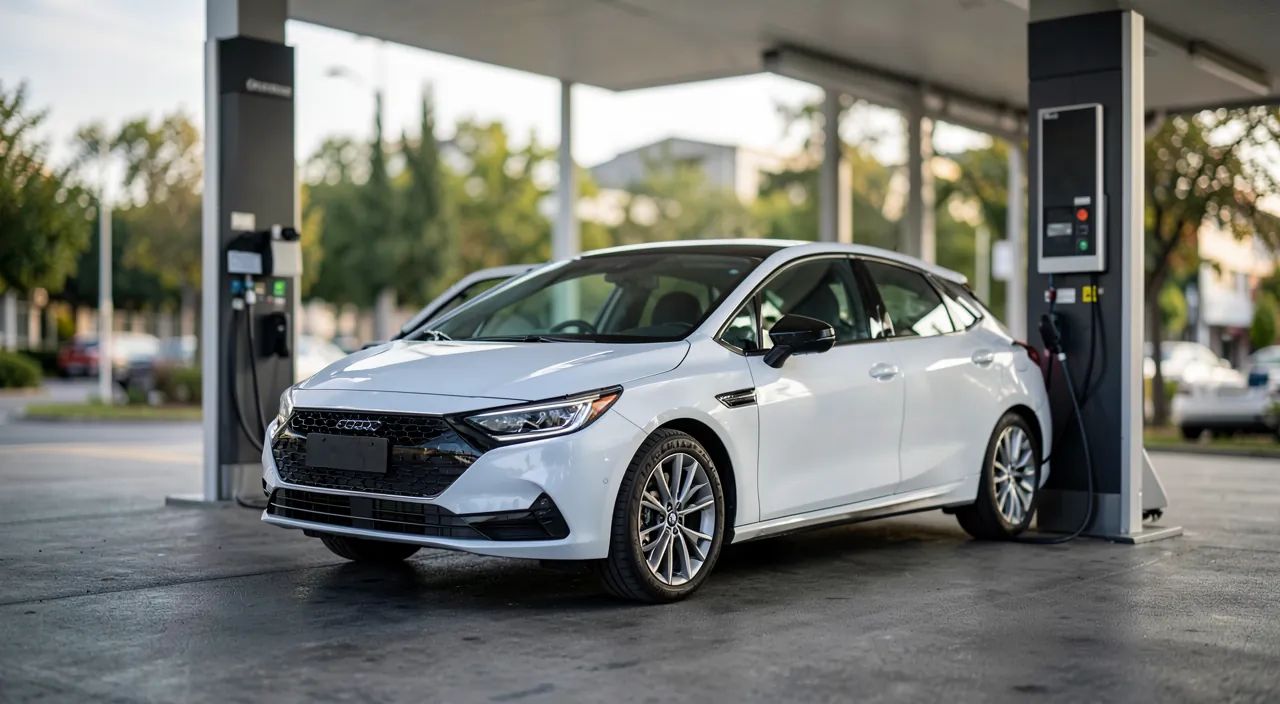
Range, charging, and cost: the daily reality
Let’s see concretely how life with an electric car works, on the points that worry the most. RANGE: it’s the number one concern (« fear of running out of power »); the reality: recent electric cars offer a range of several hundred kilometers on a single charge, more than sufficient for DAILY trips (home-to-work commutes, errands, local travel: the vast majority of uses); the actual range varies depending on the model, driving style, speed, heating/air conditioning, and weather (cold reduces range); for daily use, range is generally NOT a problem; it’s mainly for long trips that you need to plan for charging (see below). CHARGING: this is the big change in habits; several ways: at HOME (the ideal case: you plug in your car at home, often at night, and leave in the morning with a « full charge » — like charging your phone; requires being able to plug in at home, ideally with an installed charging station); at public CHARGING STATIONS (in the city, in parking lots, on highways for long trips); the DURATION of charging varies greatly: slow (several hours, at home, at night: not bothersome since you’re sleeping) or fast (at fast charging stations, in part in a few dozen minutes, for long trips). The change in LOGIC: you no longer fill up at the pump, you RECHARGE; at home, you plug in in the evening without thinking about it; it’s often even more PRACTICAL on a daily basis (no detour to the gas station). COST: in use, recharging with electricity generally costs LESS than filling up with fuel (especially when charging at home); maintenance is also often reduced (less mechanics); BUT the PURCHASE PRICE of an electric car is often higher at the start (subsidies exist depending on the country); the overall calculation (purchase + use + maintenance) depends on many factors (your usage, the model, rates, subsidies). LONG trips: this is where you need to PLAN AHEAD; on a long trip, you plan for charging stops (at fast charging stations), which slightly extends the trip (charging time); tools (apps, car GPS) help you plan; the network of charging stations is developing, but may still be lacking in some places; for heavy drivers on long distances, this is a point to evaluate. In summary for daily life: the range of recent models is largely sufficient for everyday trips (the concern is often exaggerated for common use); charging at home (at night) is the ideal and practical case; the cost of use is often lower (but the purchase price is higher at the start); long trips require planning for charging. The daily reality is often simpler than one might fear, provided you can charge conveniently (ideally at home).
An electric car works by plugging in instead of filling up. You charge it at home overnight, which is the easiest way. The range is enough for daily trips, but you need to plan for longer trips. It’s often cheaper to run than a gas car, but the upfront cost is higher.
A Tesla Model 3 with a 400 km range is perfect for daily commutes. You plug it in at home overnight and leave with a full charge. For a 600 km road trip, you’d stop at a fast charging station for 30 minutes to recharge 80% of the battery.
The key factor: being able to charge conveniently (especially at home). If you are considering an electric car, THE factor that will determine your daily comfort is not so much the range as the POSSIBILITY of charging conveniently — ideally at HOME. Here’s why. Charging at home is the IDEAL case: if you can plug in your car at home (in a garage, in a parking spot with a charging point, ideally with an installed charging station), charging becomes a non-event: you plug in in the evening when you get home, the car charges OVERNIGHT (while you sleep, without thinking about it), and you leave in the morning with a full charge; it’s even MORE practical than gasoline (no detour to the gas station; your car is « full » every morning); and this is where charging costs the least. For DAILY USE (home-to-work, errands, local trips: the vast majority of uses), with home charging, the range of recent models is more than sufficient; you don’t even think about charging anymore; the famous « fear of running out of power » disappears in everyday practice. ON THE OTHER HAND, if you CANNOT charge at home (no garage, street parking without a charging station, apartment building without installation), the electric car becomes more CONSTRAINING: you have to charge at public charging stations (find an available station, wait, manage rates and subscriptions), which requires more organization; it’s doable (the network is developing), but less comfortable; this is THE point to evaluate BEFORE deciding. So ask yourself the CENTRAL question: « Can I easily charge, ideally at home? »; if yes (garage, home charging station), the electric car will be very comfortable on a daily basis; if not, seriously evaluate the charging solutions available to you (charging stations near your home or workplace, at work…) before taking the plunge. Other elements to consider: your USAGE (mostly short daily trips? the electric car is ideal; a lot of regular long trips? you need to evaluate the charging network and charging time on your routes), and the overall ECONOMIC calculation (higher purchase price but often cheaper use and maintenance; possible subsidies; to be calculated according to your situation). In summary: the electric car is very pleasant and practical on a daily basis PROVIDED you can charge conveniently, especially at home; this is the decisive factor, far more than range (more than sufficient for common use on recent models); first evaluate YOUR charging situation before anything else: this will make the difference between a very comfortable experience and a constraint.
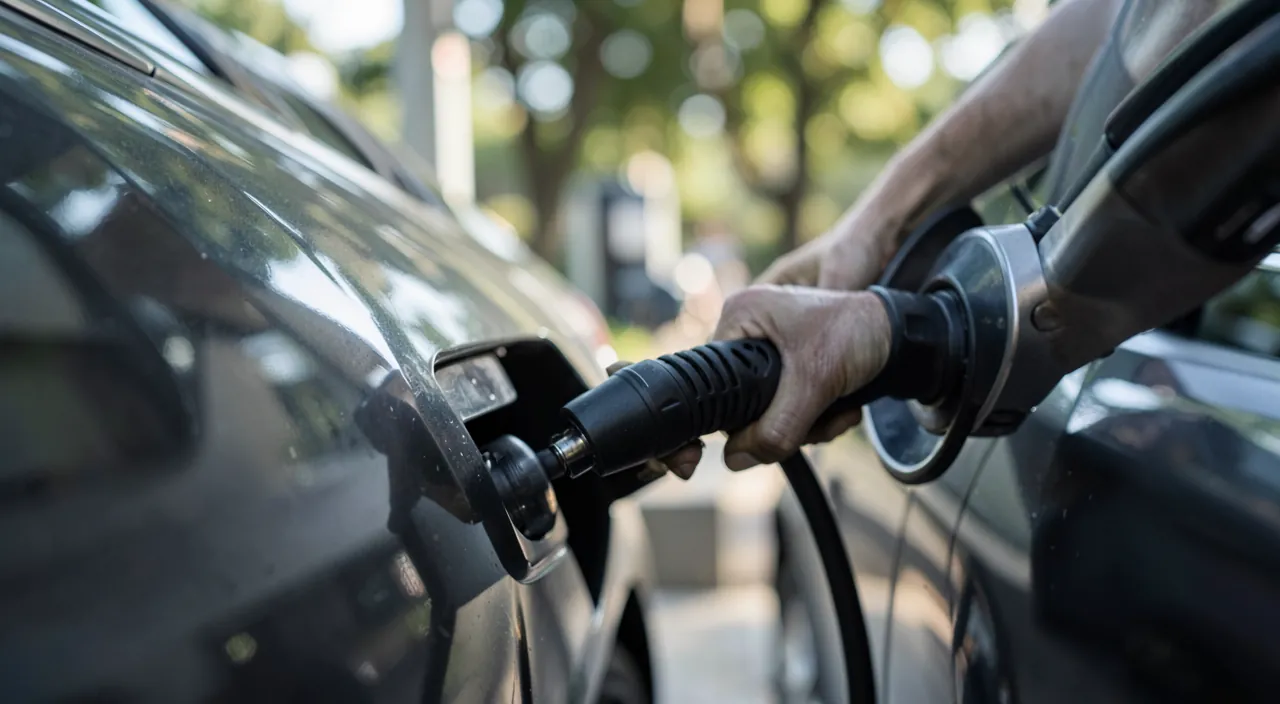
Ecology, batteries, and misconceptions
The electric car sparks debates, particularly on ecology and batteries; let’s take stock without activism or catastrophism. ECOLOGY, a nuanced reality: the electric car does NOT emit exhaust gases in use (no local air pollution where it drives: beneficial in cities); BUT its overall ecological balance depends on several factors: MANUFACTURING (especially of the battery) has an environmental cost; the ELECTRICITY used for charging has a variable impact depending on how it is produced (the cleaner the electricity, the more favorable the balance); over the ENTIRETY of its life, the electric car is generally considered to emit less than a thermal car, especially where electricity is low-carbon, and all the more so the longer it is driven; but it’s not « zero impact »: no car is really « ecological » (the most ecological is the one that is not built / not used; public transport, cycling, walking are more virtuous). BATTERIES: a subject of debate; their manufacturing requires materials and has an impact; their LIFESPAN is improving (they last for many years/kilometers, with a progressive loss of capacity); their RECYCLING and second life are developing; these challenges are real and are the subject of progress. MISCONCEPTIONS to nuance, in both directions: NO, the electric car is not « THE » miracle solution perfectly ecological (it has an impact, especially in manufacturing); NO, it is not a « false good idea » more polluting (over its entire life, its balance is generally better than a thermal car, especially with low-carbon electricity); the reality is NUANCED, neither all white nor all black; beware of categorical statements in one direction or the other. PRICE and SUBSIDIES: the purchase price, often higher, can be offset by subsidies (depending on the country and period); the lower cost of use can compensate over time; to be calculated according to your situation. RAPID EVOLUTION: technology is progressing quickly (range, charging, batteries, charging network, price); what is true today will evolve; current weak points (network, price, charging time) are improving. PERSONAL CHOICE: the electric car suits some people very well (home charging, daily trips, desire to reduce local impact) and less others (no convenient charging, very frequent long trips); it’s a choice to be made according to YOUR situation (usage, charging possibility, budget), without dogmatism; there is no universal answer. In summary: the electric car has real advantages (no emissions in use, generally better balance than a thermal car over time, especially with clean electricity) but is not « zero impact » (manufacturing, batteries, electricity); the reality is nuanced, far from categorical misconceptions; the challenges (batteries, recycling, network) are the subject of rapid progress; the choice depends on your situation; approach the subject with discernment, without activism or catastrophism.
Beware of misconceptions (in both directions) and assess YOUR situation before deciding. The electric car is a passionate subject, surrounded by categorical statements; keep your discernment. Beware of MISCONCEPTIONS in BOTH directions: on the one hand, the idea that the electric car would be « THE » miracle solution perfectly clean (false: it has an impact, especially in manufacturing and depending on the electricity used; no car is « zero impact »); on the other hand, the idea that it would be an « ecological scam » more polluting than a thermal car (generally false: over its entire life, its balance is generally better, especially with low-carbon electricity); the reality is NUANCED; do not rely on categorical statements (in one camp or the other), often ideological; inform yourself from serious and factual sources. Assess YOUR situation before deciding: the electric car suits SOME people very well and LESS others; the key factor is the POSSIBILITY of charging conveniently (ideally at home): if you can charge at home, it’s very comfortable; otherwise, it’s more constraining (public charging stations) — seriously evaluate this point BEFORE buying. Also consider your USAGE: for short daily trips, the electric car is ideal; for very frequent long trips, evaluate the charging network and charging time on your routes (the network is developing but may be lacking in some places). The ECONOMIC calculation: the PURCHASE PRICE is often higher (subsidies exist depending on the country/period — inform yourself), but USE and MAINTENANCE are often cheaper; calculate the OVERALL cost according to your situation (purchase + use + maintenance + subsidies), not just the listed price; the balance depends on many factors. Beware of ACTUAL RANGE: it varies depending on driving style, speed, heating/air conditioning, and especially COLD (winter significantly reduces range); the advertised range is a theoretical maximum; anticipate, especially for long trips and in winter. On BATTERIES: they gradually wear out (loss of capacity over years); inform yourself about the battery warranty and expected lifespan for the model; it’s a costly element. For the PURCHASE of a used electric car: especially check the condition of the BATTERY (remaining capacity), a key element of value and range. Finally, keep in mind that technology EVOLVES quickly (range, charging, price, network); what is true today will change; current weak points are improving. By approaching the subject with discernment (without categorical misconceptions), by first assessing YOUR situation (charging, usage, budget), and by informing yourself from factual sources, you will make an informed and adapted choice — the electric car being neither a universal miracle solution, nor a bad idea, but a relevant choice for some situations and less for others.
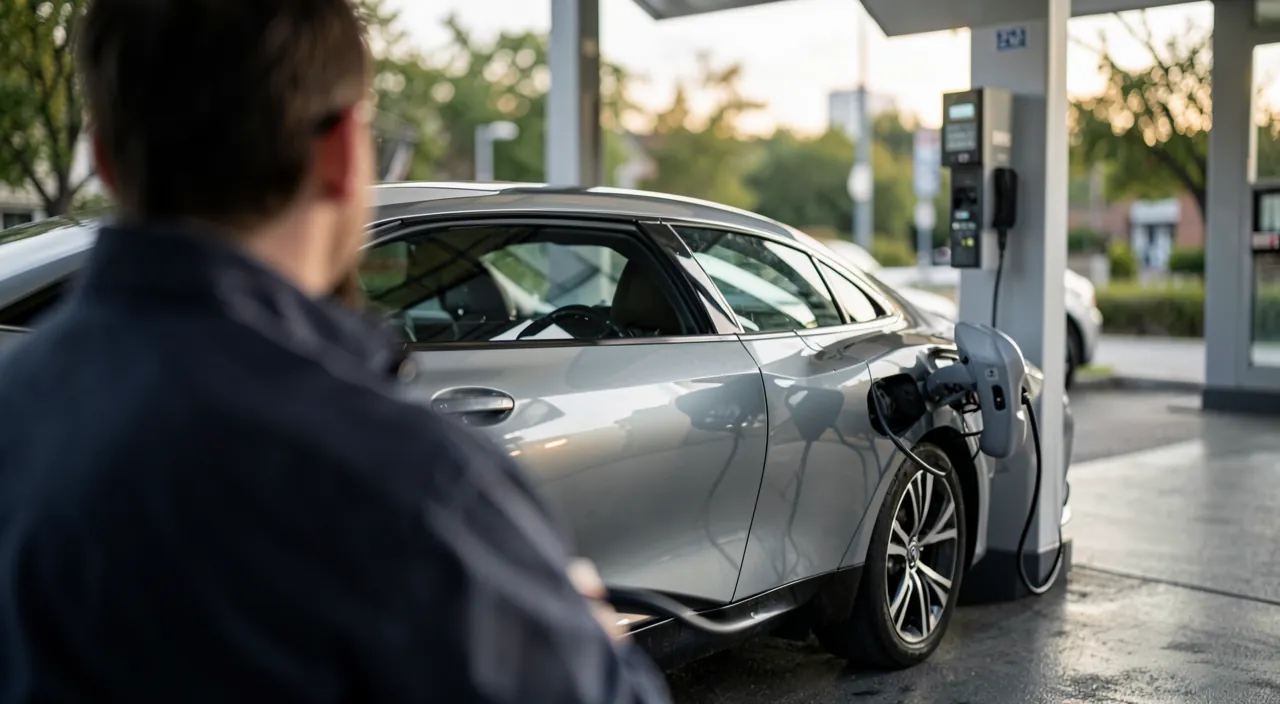
Frequent questions
Is the range of an electric car sufficient?
For DAILY USE, generally yes, largely; it’s mainly for long trips that you need to plan ahead. The concern about range (« fear of running out of power ») is the most widespread, but often exaggerated for common use. RECENT electric cars offer a range of several hundred kilometers on a single charge; yet the DAILY trips of most people (home-to-work, errands, local travel) are much less than that per day; for these uses, the range is MORE THAN sufficient; with home charging (at night), you leave every morning with a full charge, and you don’t even think about range anymore; the « fear of running out of power » disappears in daily practice. It’s mainly for LONG trips (several hundred kilometers in a row) that you need to PLAN AHEAD: plan for charging stops at fast charging stations, which slightly extends the trip (charging time); there, the range and the charging network become points to consider (the network is developing, but may be lacking in some places). Beware: the ACTUAL RANGE varies depending on the model, your driving style, speed (highway consumes more), use of heating/air conditioning, and especially WEATHER: COLD significantly reduces range (in winter, count less than the advertised range); the advertised range is a theoretical maximum; plan for a margin. How to assess if it’s sufficient for YOU: look at your usual trips; if they are mostly short daily trips, range will not be a problem (especially with home charging); if you regularly make very long trips, evaluate the range of the model in real conditions (including winter) and the charging network on your routes. In summary: yes, the range of recent electric cars is more than sufficient for daily use (the concern is often exaggerated); it’s for long trips that you need to plan for charging; take into account the actual range (reduced by cold, speed); assess according to YOUR usual trips. For most common uses, range is not the problem it is often made out to be.
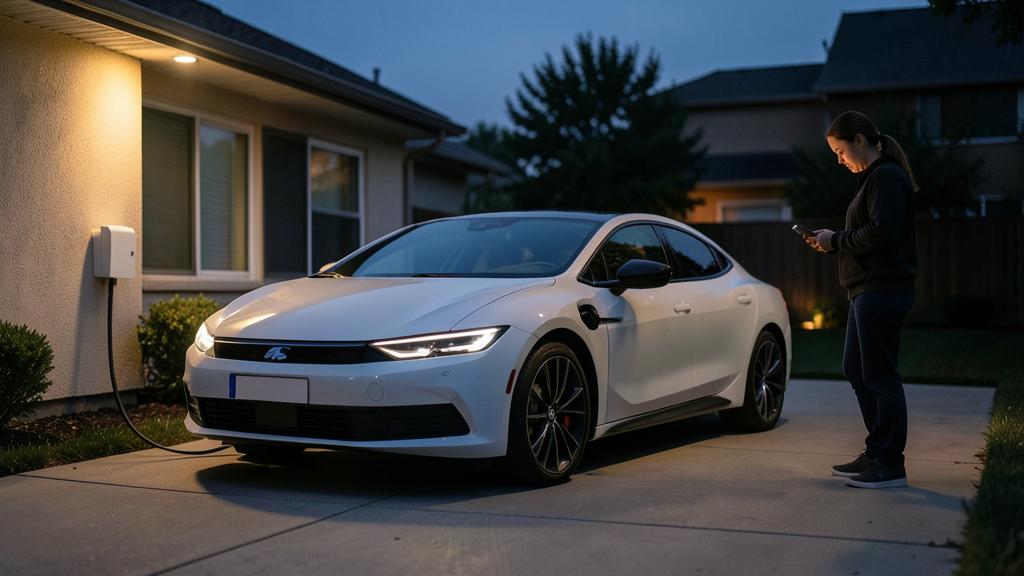
Is it really more economical?
In use, often yes; but the overall calculation depends on several factors. IN USE, the electric car is generally CHEAPER: recharging with electricity usually costs less than filling up with fuel (especially when charging at HOME, where electricity is the cheapest); and MAINTENANCE is often reduced (the electric motor is simpler, with fewer wear parts: no oil change, less mechanics, often lower maintenance costs). These savings in use are real and recurring. BUT you need to consider the OVERALL calculation: the PURCHASE PRICE of an electric car is often HIGHER at the start than an equivalent thermal car; PURCHASE SUBSIDIES exist (depending on the country and period) that reduce this gap; over time, the savings in use and maintenance can COMPENSATE for the purchase price premium, but this depends: on your mileage (the more you drive, the more the savings in use count), the model, electricity and fuel rates, subsidies, ownership duration, and resale. You also need to consider factors like the battery (costly element; warranty and lifespan) and insurance. How to know for YOU? Calculate according to YOUR situation: your annual mileage, your ability to charge at home (crucial for savings), the model you are considering, available subsidies; compare the TOTAL COST (purchase + use + maintenance + subsidies, over the ownership period) between electric and thermal; do not rely solely on the purchase price. In summary: the electric car is often more economical IN USE (cheaper to recharge, especially at home; reduced maintenance), but more expensive to PURCHASE (offset by subsidies); the overall ECONOMIC BALANCE depends on your usage and many factors; for a heavy driver who can charge at home, it’s often advantageous in the long run; calculate according to your situation rather than relying on generalities. Savings are real in use, but the overall calculation deserves to be done on a case-by-case basis.
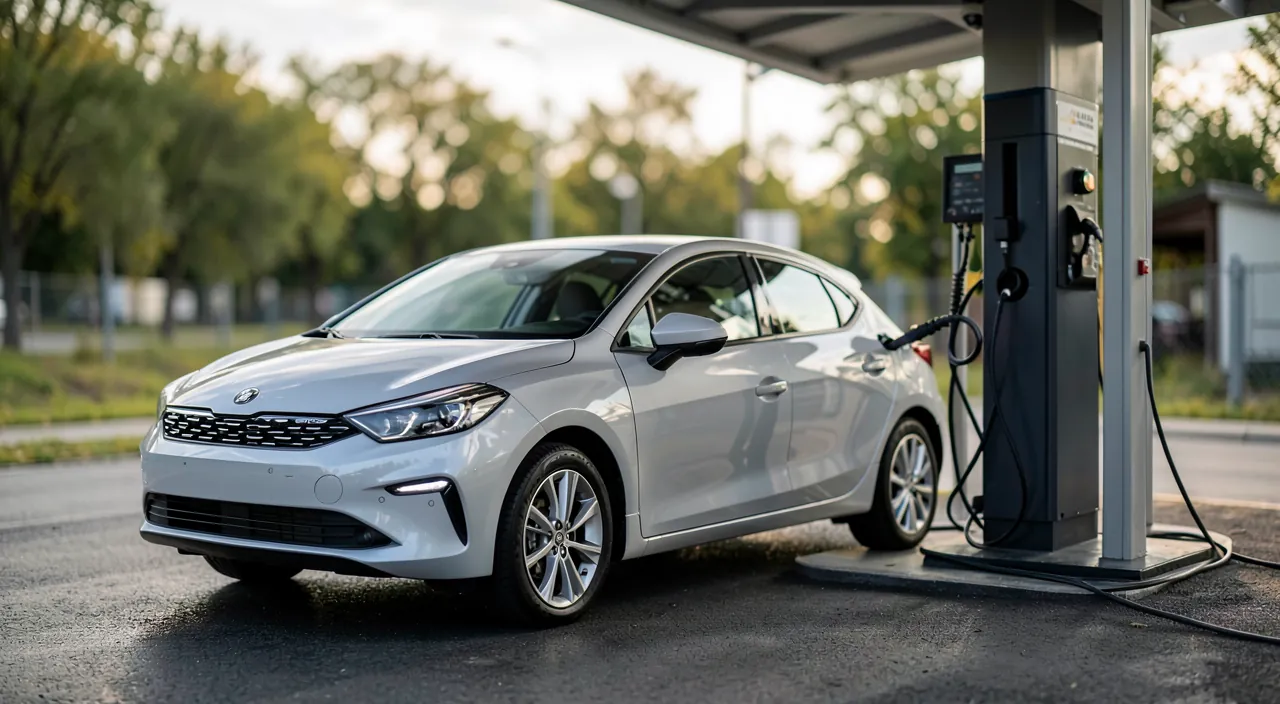
Is the electric car really ecological?
It’s nuanced: generally better than a thermal car over time, but not « zero impact »; beware of categorical statements. The ECOLOGICAL ADVANTAGES: the electric car does NOT emit exhaust gases in use (no local air pollution where it drives: beneficial especially in cities for air quality); and over the ENTIRETY of its life, its emissions balance is generally considered to be BETTER than an equivalent thermal car, especially where electricity is low-carbon, and all the more so the longer it is driven. BUT it’s not « zero impact »: its MANUFACTURING (especially of the large battery) has an environmental cost (materials, energy); the ELECTRICITY used to recharge it has a variable impact depending on how it is produced (the cleaner the electricity, the better the balance); batteries pose challenges (materials, lifespan, recycling — subjects on which there is progress). The reality is therefore NUANCED: the electric car has an impact (like any vehicle), but generally less than a thermal car over its entire life, especially with low-carbon electricity. Beware of CATEGORICAL STATEMENTS in both directions: neither « perfectly clean miracle solution » (it has an impact), nor « more polluting scam than a thermal car » (generally false); these categorical positions are often ideological; the truth is in between. Also note: the most ecological car is the one that is not built/used; alternatives (public transport, cycling, walking, fewer trips) remain more virtuous than any car, electric included; the electric car is « less bad » than a thermal car, not « ecological » in the absolute. In summary: the electric car is generally more virtuous than a thermal car over its entire life (no emissions in use, better balance especially with clean electricity), but it is not « zero impact » (manufacturing, battery, electricity); the reality is nuanced, far from slogans; inform yourself from factual sources, and keep in mind that reducing your trips or favoring soft mobility remains the most ecological. A choice to be made with discernment, neither angelism nor rejection.
What to remember
The electric car runs on a BATTERY that you RECHARGE (instead of filling up): this changes daily life with silent driving, reduced maintenance, often lower cost of use, and no exhaust emissions. On the points that worry: the RANGE of recent models (several hundred km) is MORE THAN sufficient for daily use (the concern is often exaggerated; it’s for long trips that you need to plan for charging); the actual range varies depending on driving style, speed, and especially COLD (winter reduces it). CHARGING is the big change: at HOME (the ideal case: you plug in at night, you leave full in the morning — more practical than gasoline, and the cheapest), or at public charging stations (more constraining). The KEY FACTOR, more than range, is the POSSIBILITY of charging conveniently: if you can charge at home, the electric car is very comfortable on a daily basis; otherwise, it’s more constraining — evaluate this point BEFORE deciding. On COST: often cheaper IN USE (charging, maintenance) but more expensive to PURCHASE (offset by subsidies); calculate the OVERALL cost according to your usage. On ECOLOGY: no emissions in use and generally better balance than a thermal car over time (especially with low-carbon electricity), but NOT « zero impact » (manufacturing, battery, electricity); the reality is NUANCED. Beware of CATEGORICAL MISCONCEPTIONS in both directions (neither perfect miracle solution, nor polluting scam: the truth is in between; inform yourself from factual sources). Points of VIGILANCE: first evaluate YOUR situation (home charging? daily trips or long trips? budget?), take into account the actual range (cold), the battery (wear, warranty; to check especially when buying used), and the overall economic calculation; technology is evolving quickly (current weak points are improving). The electric car is neither a universal solution nor a bad idea: it’s a relevant choice for some situations (convenient charging, daily trips) and less for others; approach it with discernment, without activism or catastrophism, by evaluating what really corresponds to your daily life.

Want to understand and master the technologies that change your daily life? Our training courses will enlighten you.
Leave a Reply
You must be logged in to post a comment.