
The wallet that no longer closes, the twelve loyalty cards you never find the right one, the lost points for lack of a card on you: paper and plastic loyalty is a small daily friction that the phone completely erases. Dematerialized cards, tracked piggy banks, offers activated in two gestures — and a wallet that regains its shape. Here’s how to switch everything properly, the best methods according to the brands, and the pitfalls (including personal data) to be aware of.
Three methods to dematerialize everything
Depending on the brands and your habits, three paths combine: the brand applications — supermarket, pharmacy, DIY store: their official app carries the card (barcode to scan at checkout), the piggy bank in real time, the personalized offers to activate — the richest path for your two or three main brands; the phone wallet (Cards/Wallet on iPhone, Android equivalent) — many cards can be added from the brand’s app (“Add to Wallet”) and appear automatically at checkout, without searching — the smoothest path for daily use; and the card aggregator applications — they store any card by simply scanning the barcode (including the card from the small shop without an app): the universal path for the long tail. The winning strategy: frequent brands in their official app + Wallet, everything else in an aggregator — and the plastic stays at home (keep the physical cards in a drawer for a while to check that everything works at checkout; most can then be recycled).
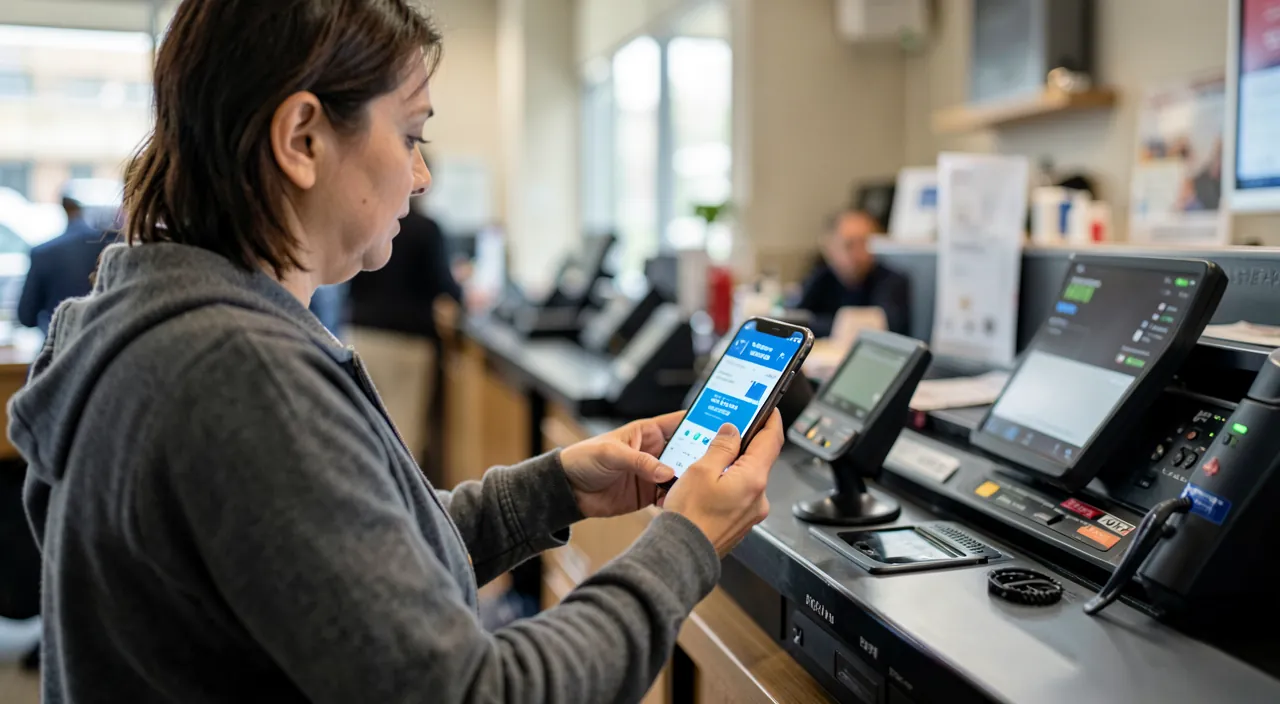
At checkout: what works, what doesn’t
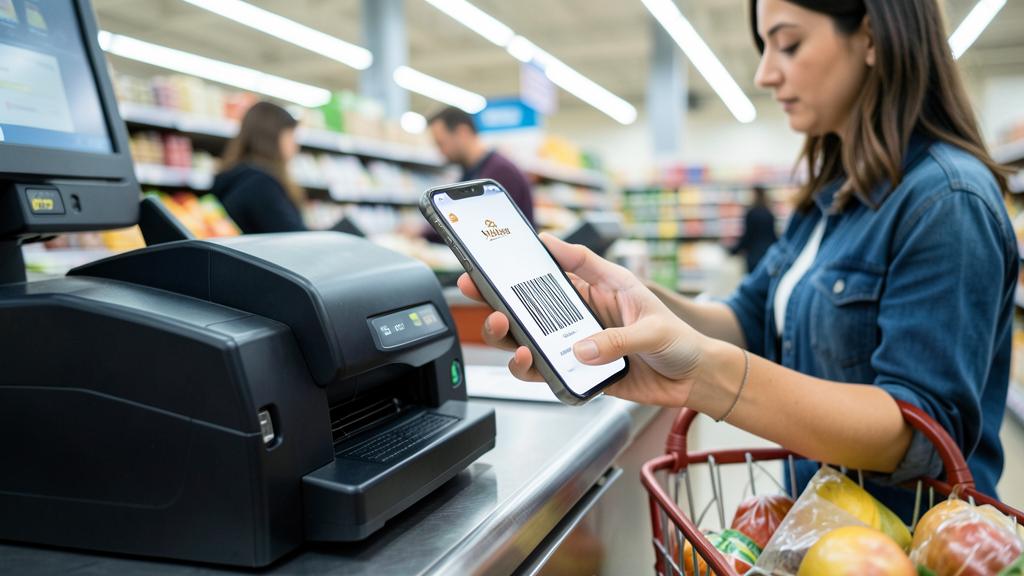
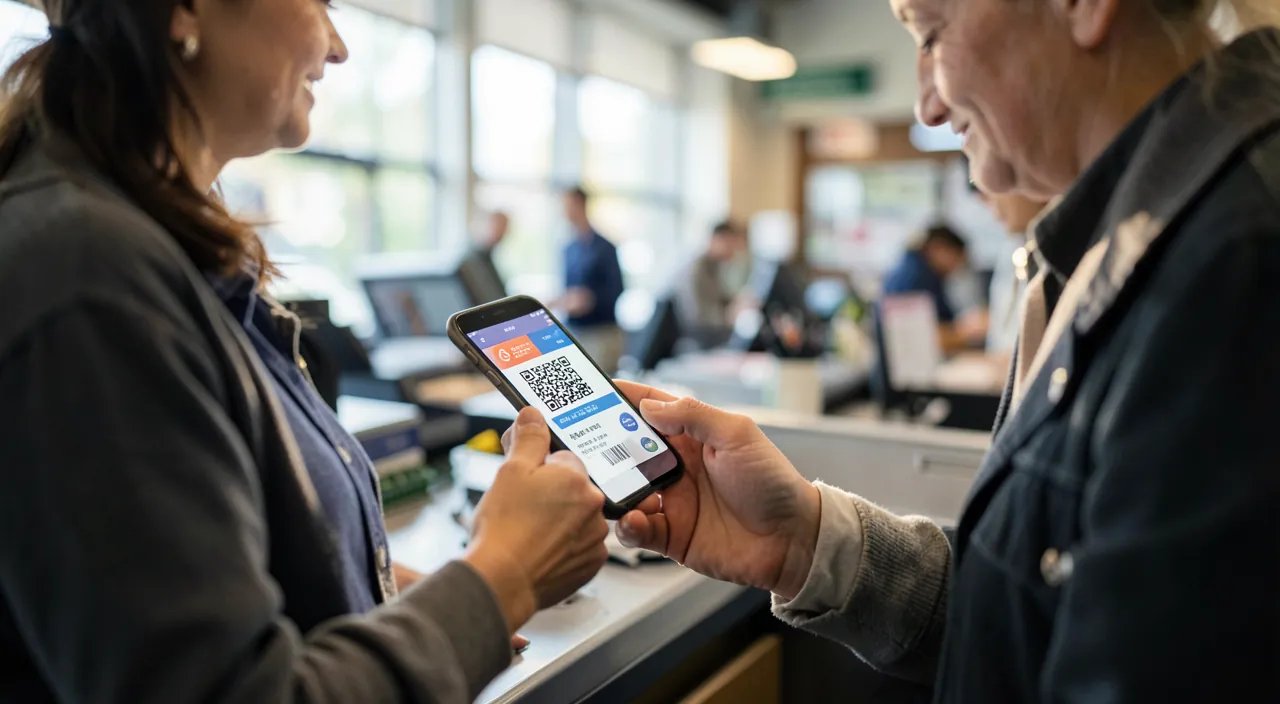
The reality on the ground: in the vast majority of cases, the barcode on the screen scans like the card (increase the brightness — apps often do this automatically — and present the screen flat under the scanner); some old cash registers with laser readers struggle with screens — the universal backup solution: the customer number (printed under the barcode) that the cashier enters, or your phone number when the brand allows it (many programs find the card by the mobile number — the backup plan that saves even without a phone in hand); in self-checkout, the screen scan usually works fine; and online, the card is linked once to the website account and the points fall automatically. Add the reflexes that maximize: the offers to activate before shopping (two minutes in the brand’s app — personalized discounts often apply ONLY if they have been activated), the dematerialized receipt (offered at checkout — no more lost receipts for refunds) and the piggy bank checked from time to time: points expire, and an app reminder signals before the deadline — the decisive advantage over silent plastic.
Digital loyalty cards work just like physical ones, but with extra features. You can scan the barcode from your phone, and many stores let you use your phone number as a backup. Always check your points before they expire, and activate offers before shopping to get the best deals.
At a Carrefour supermarket, you can add your loyalty card to your phone’s Wallet. When you check out, the cashier scans the barcode from your phone screen. If the scanner doesn’t work, you can give your phone number, and the cashier can find your account that way. You can also activate discounts in the app before shopping, so you don’t miss out on savings.
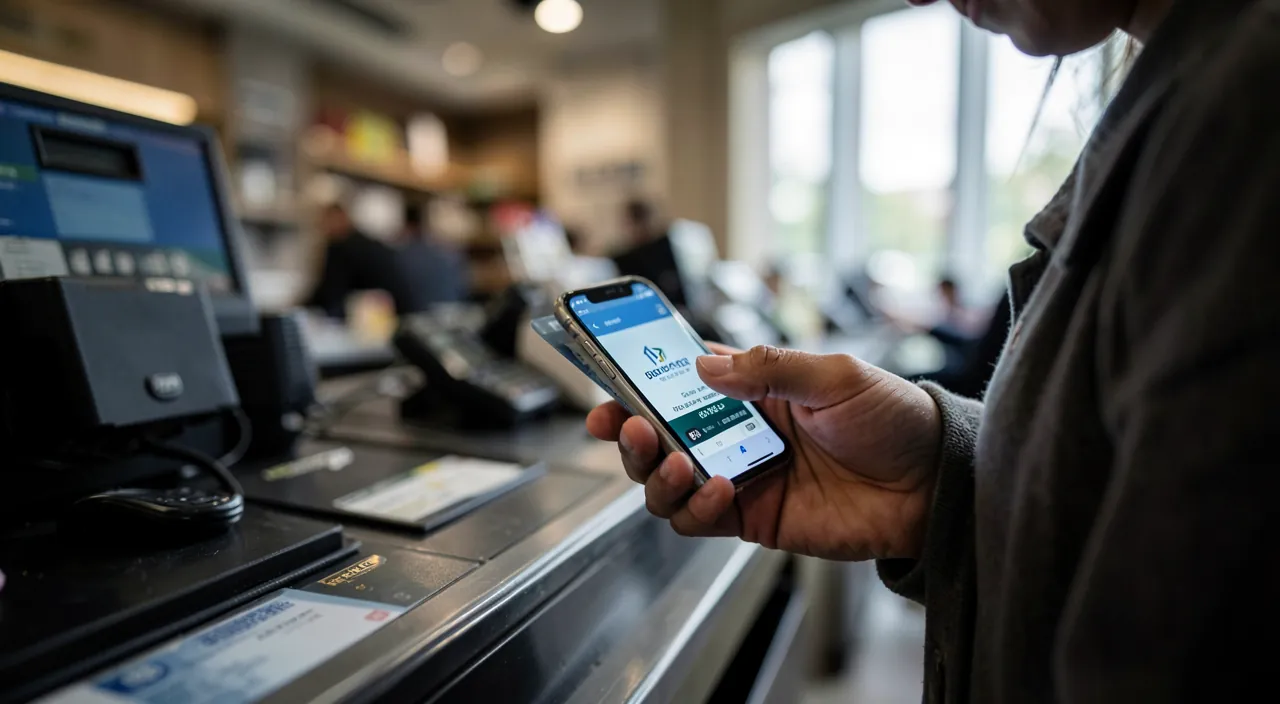
The right reflex. Store your dematerialized cards in the Wallet first when the brand offers it: at checkout, a double-click (or automatic opening via geolocation for some brands) displays the right card without unlocking the phone or searching for an app — it’s the fastest gesture that exists, faster than plastic itself. The queue behind you will appreciate it as much as you do.
The true cost of loyalty: your data (and how to balance it)
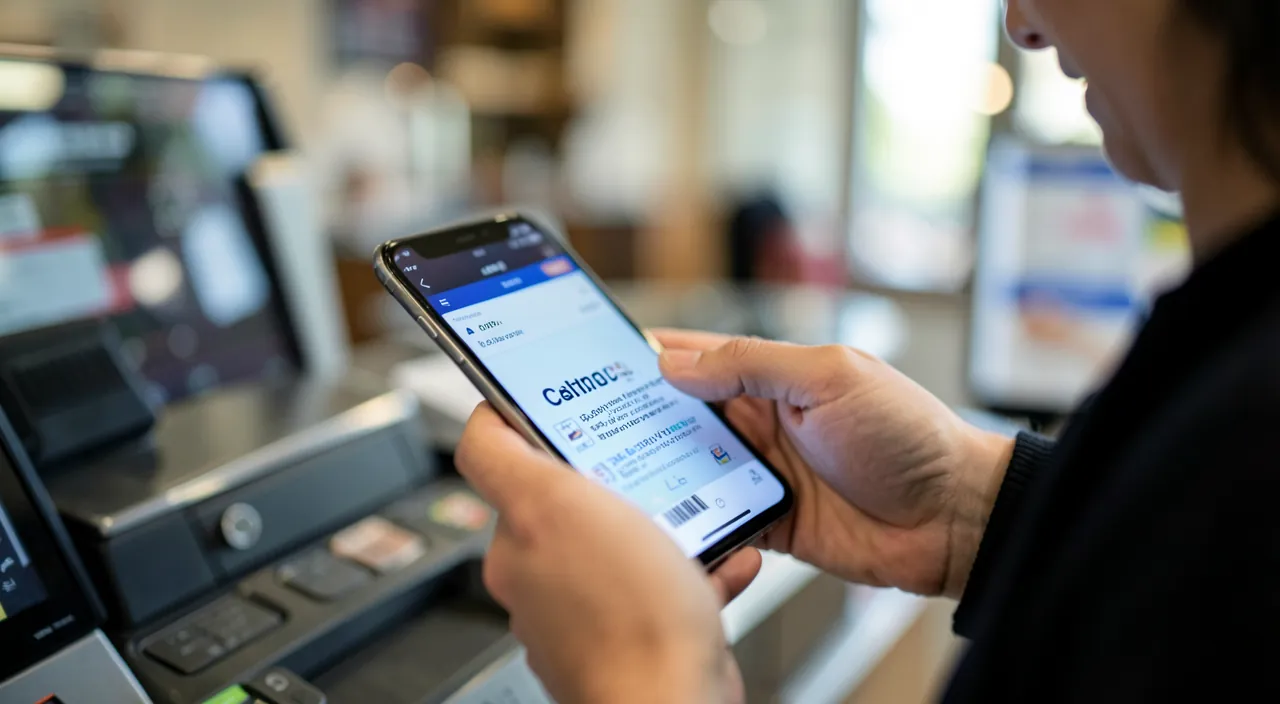
Let’s be clear about the deal: a loyalty program exchanges discounts for your purchase data — each checkout enriches a profile (products, frequencies, budgets) that fuels the “personalized” offers and marketing analyses. This is neither a scandal nor trivial: it’s a choice to be made knowingly. The sliders in your hands: minimal registration — name, email (a dedicated alias for brands is perfect — it compartmentalizes and filters ads), and nothing more: the full date of birth, phone number, or address generally do not condition the points (optional fields are truly optional); the marketing consents unchecked at registration (points still fall, the inbox breathes); the app permissions reasonable — “always” location is never necessary to scan a barcode (“during use” at most, for the auto-presented card); and the right to the account — consultation and deletion of data possible upon request (European regulation): a program left is properly closed. The reasonable balance for most: fully enjoy the programs of the brands you actually frequent, with minimal registration — and refuse the card for “-5% today” at the store seen once a year: twelve dormant programs are twelve data profiles for nothing.
Going further: gift cards, coupons, and family
Dematerialization goes beyond loyalty: gift cards — received or purchased, they are stored in the same apps/Wallet (no more gift card found expired in a drawer: the balance is visible, the expiry date notified); coupons and vouchers — the discount coupons generated by the piggy banks are used from the app at checkout, and the brands’ coupon apps complement for deal hunters; family sharing — many programs allow one card per household: the same dematerialized card on both adults’ phones (via the shared brand account or card sharing in the aggregator) — points finally converge instead of being scattered across two accounts; and the annual cleanup — once a year, a review of the programs: piggy banks to settle before expiry, accounts of deserted brands closed, welcome offers from new frequented brands. Fifteen minutes that pay off — literally: French people let dozens of euros in expired piggy banks go to waste each year, simply because they don’t see them.
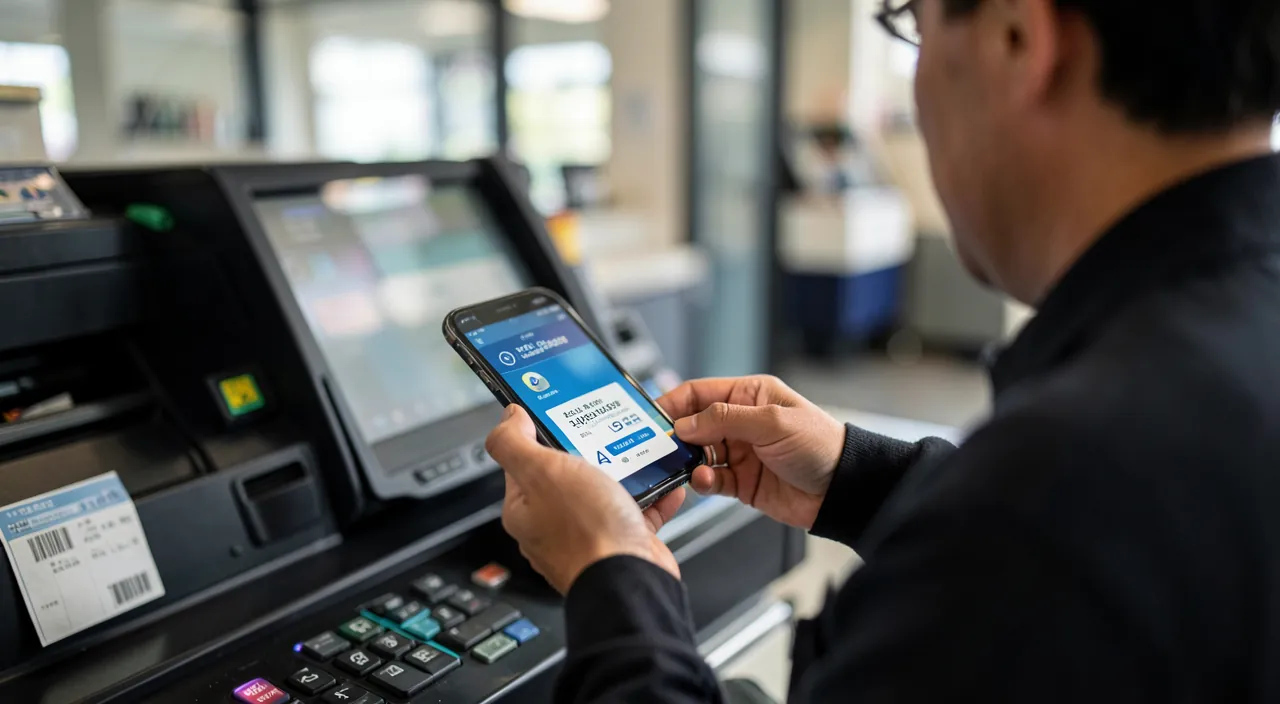
Beware of piggy bank phishing. Loyalty programs have become a common scam target: SMS or emails “your points expire today — claim your 50€ voucher” leading to fake sites that capture login details and bank cards. The usual rules apply: don’t open the link — open the official app of the brand (the real piggy bank is visible there), a piggy bank never asks for a bank card to be “unlocked,” and brands don’t win smartphones via SMS. Dematerialized loyalty has an advantage here too: the official app is your permanent source of truth — anything that claims otherwise is a lie.
Frequently asked questions
What if my phone is out of battery when checking out?
The phone number linked to the account saves the day in many brands (the checkout finds the card), and points from a missed checkout can often be claimed later with the receipt (customer service or app). For the worried: the main physical card can stay at the bottom of the wallet as a backup — but after a few months, the question no longer really arises.
Are card aggregator apps safe?
The references in the field, yes — they only store loyalty barcodes (sensitive data: no payment, no identity). Choose an established app, avoid storing anything other than loyalty (never a bank card in photo!), and prefer the native Wallet when the brand allows it.
Can I recover the points from my past purchases without a card?
Generally under conditions and short deadlines (receipt + request to customer service or at checkout). The real answer is preventive: the card in the phone is always with you — it’s precisely what ends the lost points, the first cause of meager piggy banks.
What to remember
Dematerialized loyalty is three storage methods (apps of frequent brands, Wallet for speed at checkout, aggregator for the long tail), two reflexes (offers activated before shopping, phone number as a backup), and a contract read lucidly: discounts in exchange for data — minimal registration, unchecked consents, dormant programs closed. As a bonus: tracked gift cards, piggy banks that no longer expire silently, household points finally reunited — and a wallet lightened by 200 grams of plastic. The card you always have with you is the only one that pays off: it might as well be the one on your phone.
Want to go further with your phone and apps? Our practical training courses are made for you.
Leave a Reply
You must be logged in to post a comment.