
An overflowing attic, a wardrobe full of never-worn clothes, abandoned toys, the old phone in a drawer: we live surrounded by objects that are dormant — and that are worth money. Second-hand platforms have turned resale into a national reflex: a few photos, an ad, and what was cluttering finances the next desires. Still, you need to sell effectively — because between the ad that sells in two hours and the one that languishes for six months, there is a method. Here it is, with the pitfalls to avoid.
What sells (better than you think)
Almost everything finds a buyer: clothes and shoes (the heart of the market), even old electronics (phones, consoles, cameras — very sought after), baby gear and toys (children grow faster than objects wear out), furniture and decor, books, tools, appliances, sports equipment. The pricing rule: consult the comparable ads sold in your category — the market sets the price, not the nostalgia of the purchase. And the big principle of sorting: what you haven’t used in a year is worth more to someone else than in your closet — in euros and in space gained.

The ad that sells: photos + title + honesty
Three elements make up 90% of the result. Photos: daylight, neutral background, clean and ironed item if it’s clothing; multiply the angles and photograph the flaws — yes, the flaws: the reassured buyer buys, the surprised one disputes. The title: brand + model + key feature + condition («Kids’ bike Decathlon 16 inches, very good condition») — think of the words the buyer types. The honest and complete description: dimensions, real condition, reason for sale, what’s included — each anticipated question is one less message and one more sale. Add the right price (slightly negotiable if the platform likes haggling) and publish at the right times — evenings and weekends, when buyers scroll.
A good ad is like a good shop window: clear, honest, and well-lit. Show the item as it is, describe it well, and price it fairly. That’s how you attract serious buyers.
A seller lists a Nikon D3500 camera with 10 photos (including a shot of a small scratch on the lens), the title «Nikon D3500 2018, 12,000 shutter counts, excellent condition», and a detailed description mentioning the included lens, charger, and manual. The ad sells in 3 days for 95% of the market price.
The right reflex. Treat the sale like a small customer service: quick and friendly responses, punctual in-person handover, well-packaged parcel (clean packaging, little note — reviews remember). Your rated profile is your capital: the first good reviews sell the rest faster and more expensively. The best resellers don’t sell objects — they build a reputation.

Where to sell what: the right channel
Each category of items has its stronghold: clothing on second-hand fashion platforms (easy shipping, targeted buyers); furniture and bulky items in local ads with in-person handover (no parcel, direct payment); electronics everywhere — with, for phones and computers, the alternative of resale to reconditioners: slightly lower price, but immediate and hassle-free sale; books and media on specialized platforms with barcode scanning. Diversify according to the item rather than putting everything in the same place: the right channel cuts the sales time by half or more.
Security: the rules to avoid trouble
The second-hand market also attracts scammers — the defenses are simple. Stay on the platform: integrated payment and messaging only — anyone who wants to «pay another way» or continue via SMS is usually up to no good; the fake «secure payment» links sent by message are the number one scam. In person: public place or doorstep, payment in verified cash or instant bank transfer received before handover — never a check from a stranger. When shipping: send only after payment validated by the platform, with tracking. For electronics: completely erase your data and unlink the device from your accounts before the sale — a phone still locked to your account is unsellable and a source of disputes.
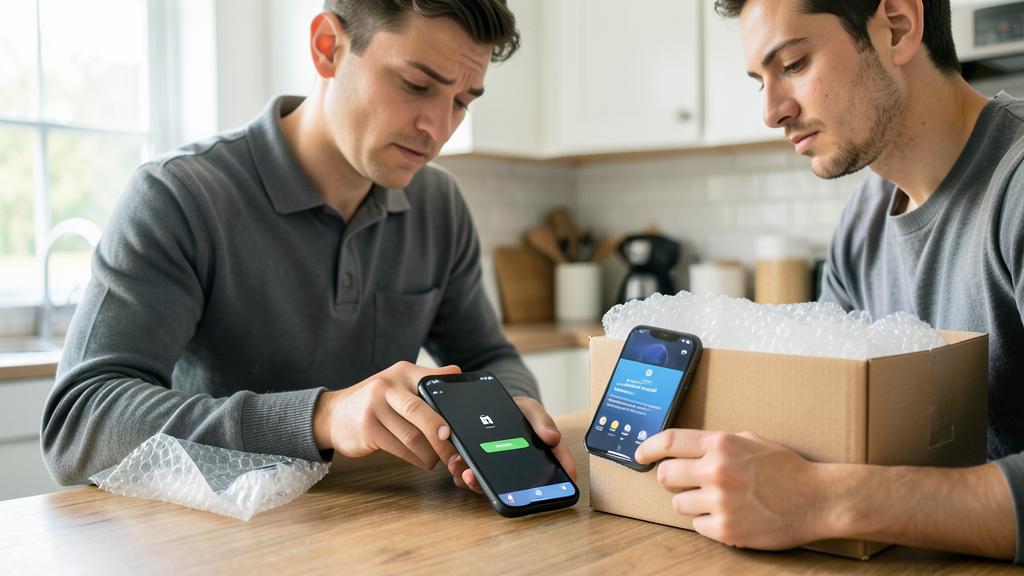

Scam signals to know. The rushed buyer who pays «more than the price» for urgent shipping, the «authorized carrier» with an external payment link, the «blocked payment» that an SMS code would unblock (never share a code!), the check for more than the amount that you need to «refund the difference»: all these scenarios are classic scams. The rule that sweeps them all: anything that deviates from the platform’s normal process is suspicious — politely refuse and block.
Frequent questions
Should you declare your second-hand sales?
The occasional resale of personal second-hand items falls under private asset management and is not taxable in principle — the platforms do, however, transmit summaries beyond certain activity thresholds. Regular buying and reselling, on the other hand, becomes professional: find out if you’re scaling up.

What to do with items that don’t sell?
Lower the price in stages, retake the photos, or donate (associations, donation boxes, donation platforms): the space freed up and the useful item are better than another ghost ad.
Sell in bulk or individually?
Individual items yield more, bulk clears faster — the mixed strategy wins: individual for valuable pieces, in coherent lots (clothes by size, toys by age) for volume.

What to remember
Selling your second-hand items is turning clutter into income with a simple method: real photos in daylight (flaws included), a title thought like a search, an honest description that anticipates questions, the right market price — and the right channel for the item. Treat your reputation like a business, and lock down security: everything happens on the platform, cautious in-person handovers, data erased from electronics, and automatic refusal of any «off-path» scenario. The attic gains space, the wallet gains euros, and the objects gain a second life: everyone wins — except scammers, politely blocked.

Want to improve your digital skills? Our customized training adapts to your level.
Leave a Reply
You must be logged in to post a comment.