
Paying online has become a daily routine — and yet, when entering your card details on an unfamiliar site, a small doubt lingers: is it really safe? The good news: when properly managed, online payments are remarkably secure today, often more protective than one might imagine. The real risk almost never comes from the payment itself, but from the context: fake sites, scams, and avoidable carelessness. This guide provides concrete rules for shopping online with peace of mind — and the recourse options if something goes wrong.
Where is the real risk?
Let’s demystify this: on a serious merchant site, your card number is encrypted and payments are validated by double verification. The weak link isn’t there. The real dangers lie elsewhere: the fake site that mimics a store to capture your card, the ghost shop with slashed prices that takes your money without delivering, the phishing that extracts your data outside any purchase, and payment made on an unsecured network. In other words: the question isn’t “is online payment safe?” but “am I on the right site, under the right conditions?”
The payment system itself is very secure, but scammers trick people into giving their card details to fake sites or through phishing. Always check if the site is real before entering your information.
In 2023, a fake Amazon site tricked users by offering 90% discounts on popular electronics. Over 500 people entered their card details before realizing the site was fraudulent. The real Amazon never offered such deals.
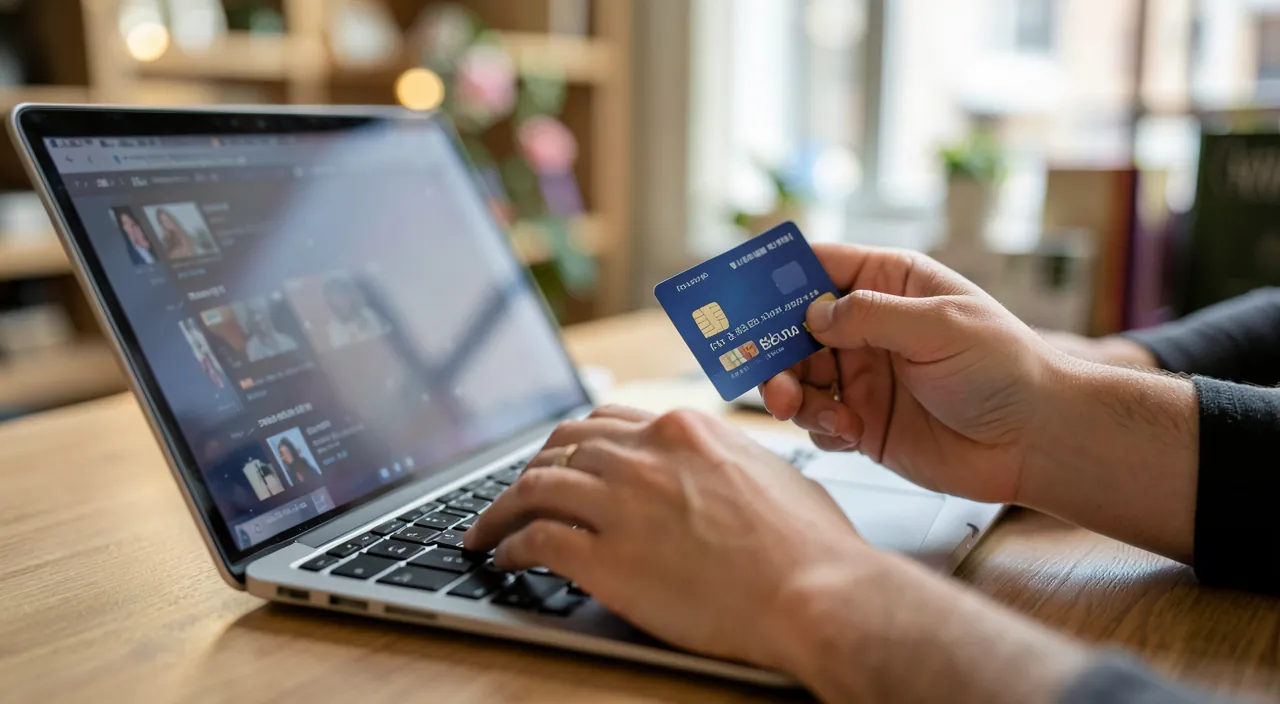
Verify a site before purchasing
Before entering your card details on an unknown store, here are five quick checks:
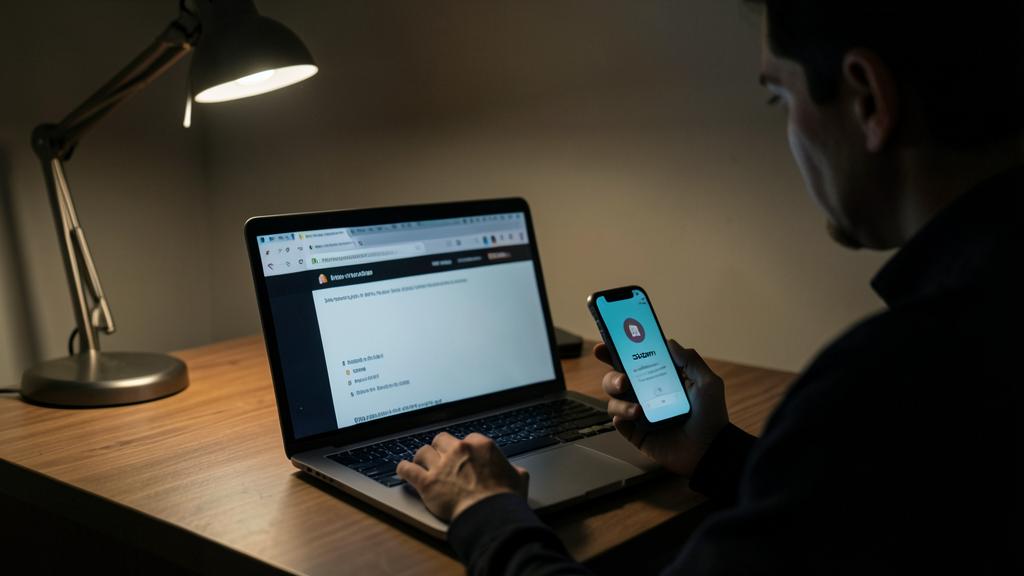
- The exact address: is this the real domain of the brand, without any strange variations? Counterfeits rely on similar addresses.
- The padlock (https): essential… but not enough — fake sites have it too. It’s a prerequisite, not a guarantee.
- Legal notices and contact details: an identifiable company, an address, terms of sale. Their absence is a dealbreaker.
- External reviews: search for the site’s name along with “reviews” or “scam” — ghost shops leave traces of victims.
- The too-good-to-be-true price: -70% off on a product unavailable elsewhere is the classic red flag. No one sells at a loss out of generosity.
The right reflex. For purchases on sites you won’t revisit, use a virtual card if your bank offers it: a temporary, single-use or capped card number that protects your real card. The site never knows the actual number — even if compromised, it’s useless. This is the ultimate protection for occasional shopping.
Good practices at the time of payment
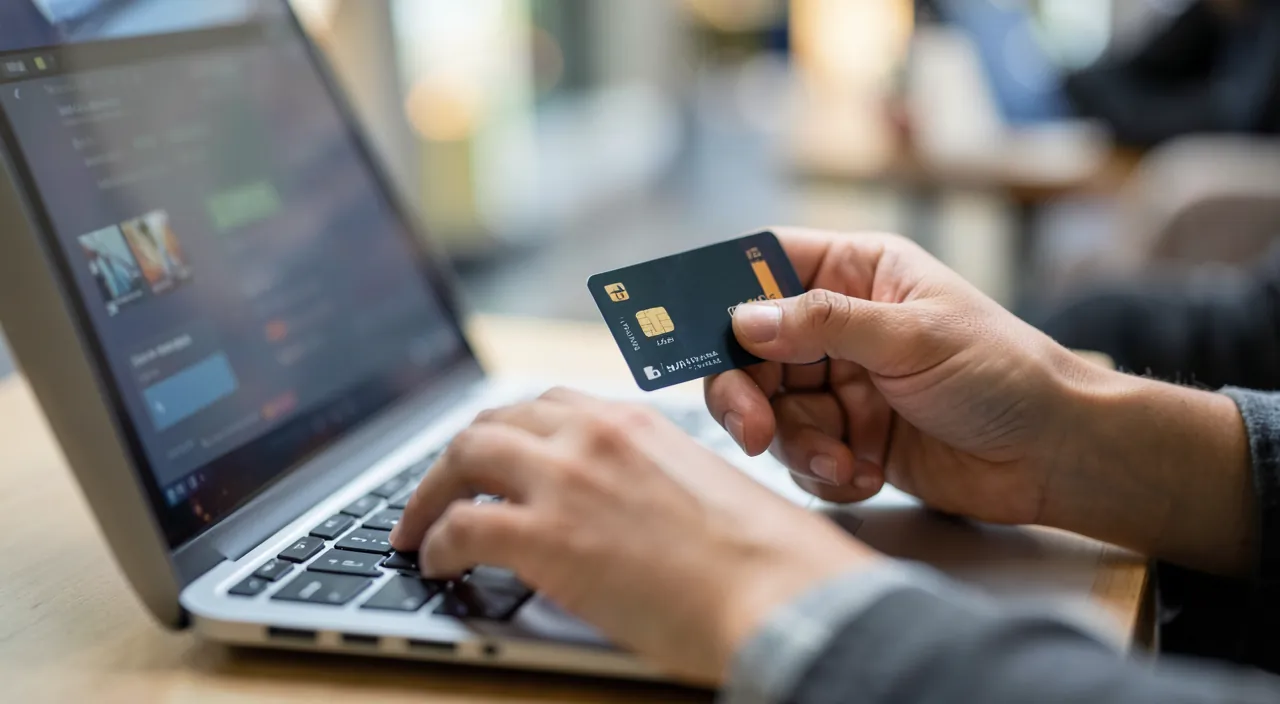
The payment itself deserves a few habits. Prioritize enhanced validation (confirmation via the banking app or code): it’s what blocks fraudulent uses. Never pay on public Wi-Fi: wait until you’re on your own connection or use mobile hotspot. Only save your card with regular, reputable merchants — each site storing your card is an additional risk of leakage. Be wary of unusual payment methods demanded by a seller: direct transfer, gift cards, or cryptocurrency for a standard purchase are scam signals — these payments are irreversible, which is exactly why fraudsters demand them.
Monitor and react: your recourse options
Even when being careful, you’re never fully protected. Hence two habits: monitor your accounts regularly (real-time payment notifications, offered by most banks, flag any operation instantly), and act quickly in case of an anomaly. A fraudulent charge? Immediate opposition and dispute with the bank: for an unauthorized card payment, regulations largely protect you, and refunds are the norm within legal deadlines. An order never delivered? Dispute the payment, report the store. These recourse options exist and work — you just need to activate them promptly.
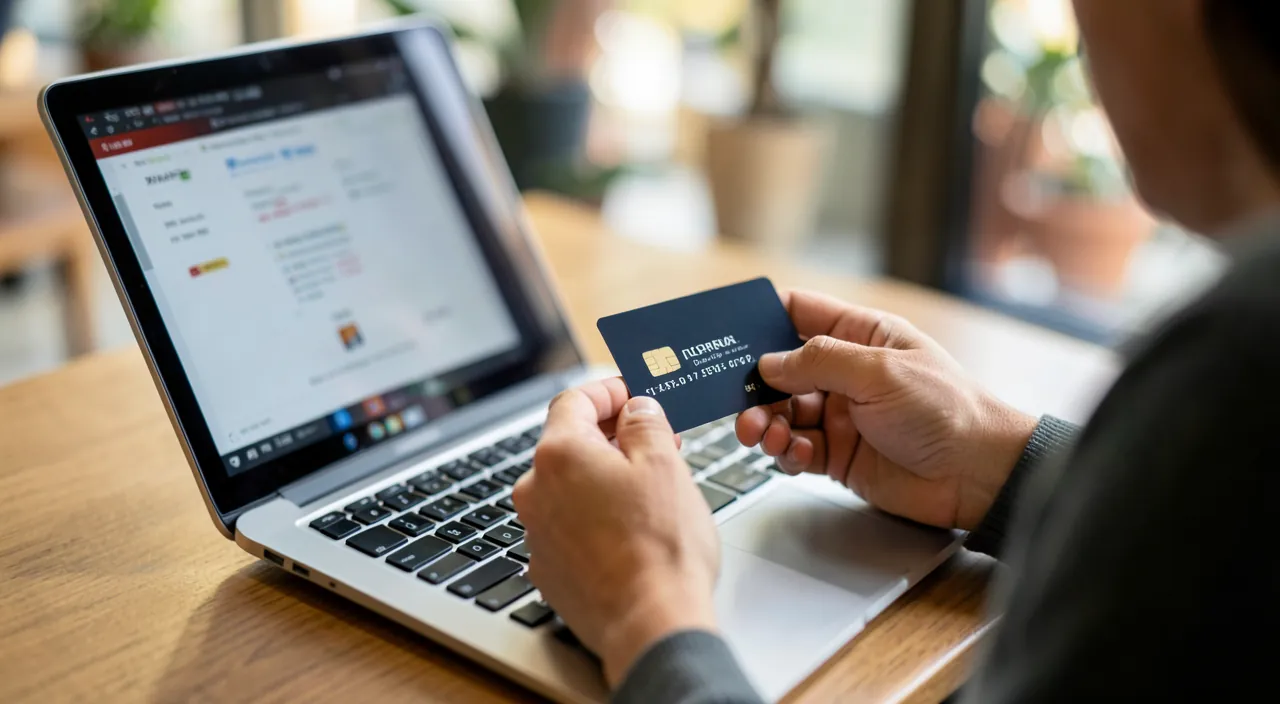
Absolute red line. Never share — with anyone, under any pretext — the validation code received by SMS or notification. A “bank advisor” asking for it over the phone is a fraudster in the process of validating a payment with your card: the real bank never asks for this code. Hang up and call the official number on the back of your card yourself.
Frequently asked questions
Is saving your card on a site risky?
With a reputable major merchant where you shop regularly, the risk is low and the convenience real. On occasional stores, avoid it — or use a virtual card. The rule: the less your number is scattered, the better.
Is mobile payment safer than a card?
Often yes: mobile payment solutions don’t transmit your real card number to the merchant, but a limited-use identifier. When the option is available, it’s an excellent choice.
What to do if a site charged you without delivering?
Contact the seller in writing, then, if there’s no quick response, dispute the transaction with your bank and report the site to the relevant authorities. Keep all evidence (order, exchanges, screenshots): they support the refund.
Key takeaways
Online payment is safe when the context is: the danger comes from fake sites and scams, not the encrypted payment itself. Verify the store (exact address, legal notices, external reviews, realistic prices), pay under good conditions (enhanced validation, never on public Wi-Fi), protect your number (virtual card for occasional use, saving only with regular merchants), and avoid demanded irreversible payments. Monitor your accounts with real-time notifications, and remember that the law protects you: quick opposition and disputes get frauds refunded. With these habits, shop with peace of mind: you’re better equipped than the vast majority of internet users.
Victim of fraud or in doubt? Act quickly.
Leave a Reply
You must be logged in to post a comment.