
The vacuum cleaner that maps the living room, the lawnmower that works alone in the fine rain, the robotic arm that prepares orders, and — stars of tech shows — humanoids that walk, carry, and sometimes stumble: robots are leaving factories to enter our lives. Between spectacular videos and the reality of our homes, the gap remains considerable. What can today’s robots really do, what’s coming tomorrow, and should we rejoice or worry? A lucid overview of a revolution advancing — in small steps.
Robots already in our homes (that we no longer notice)
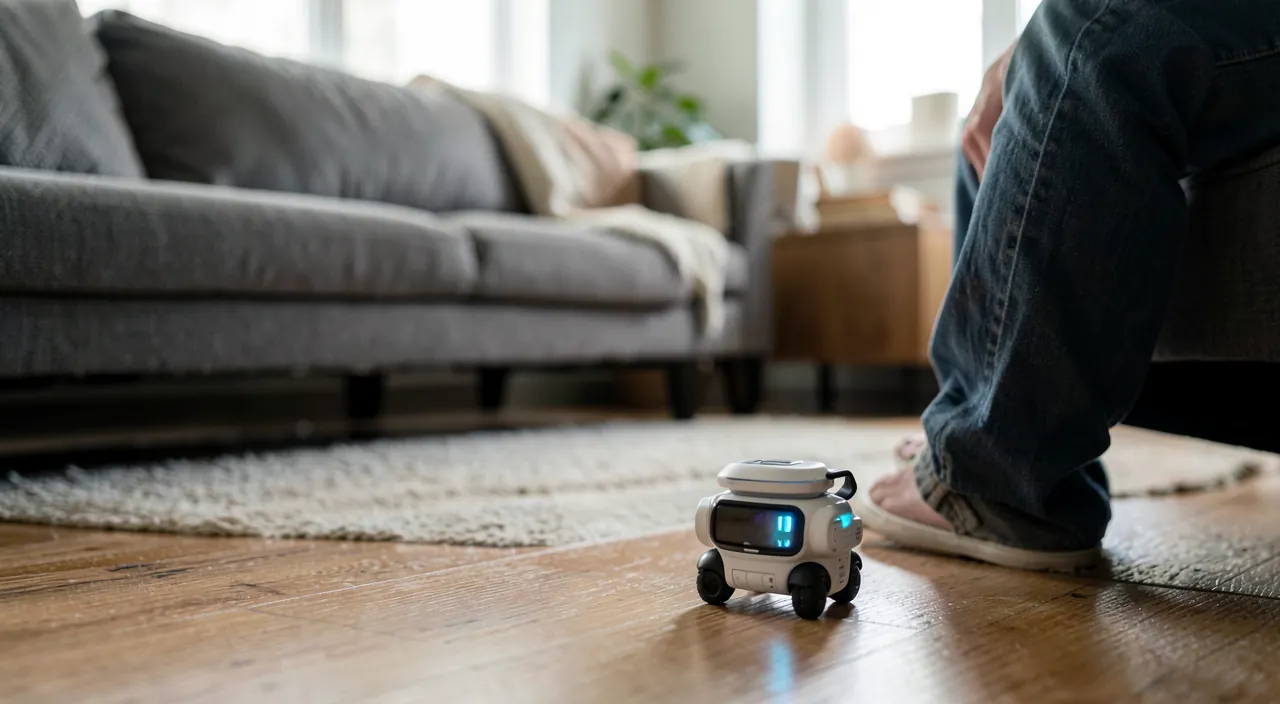
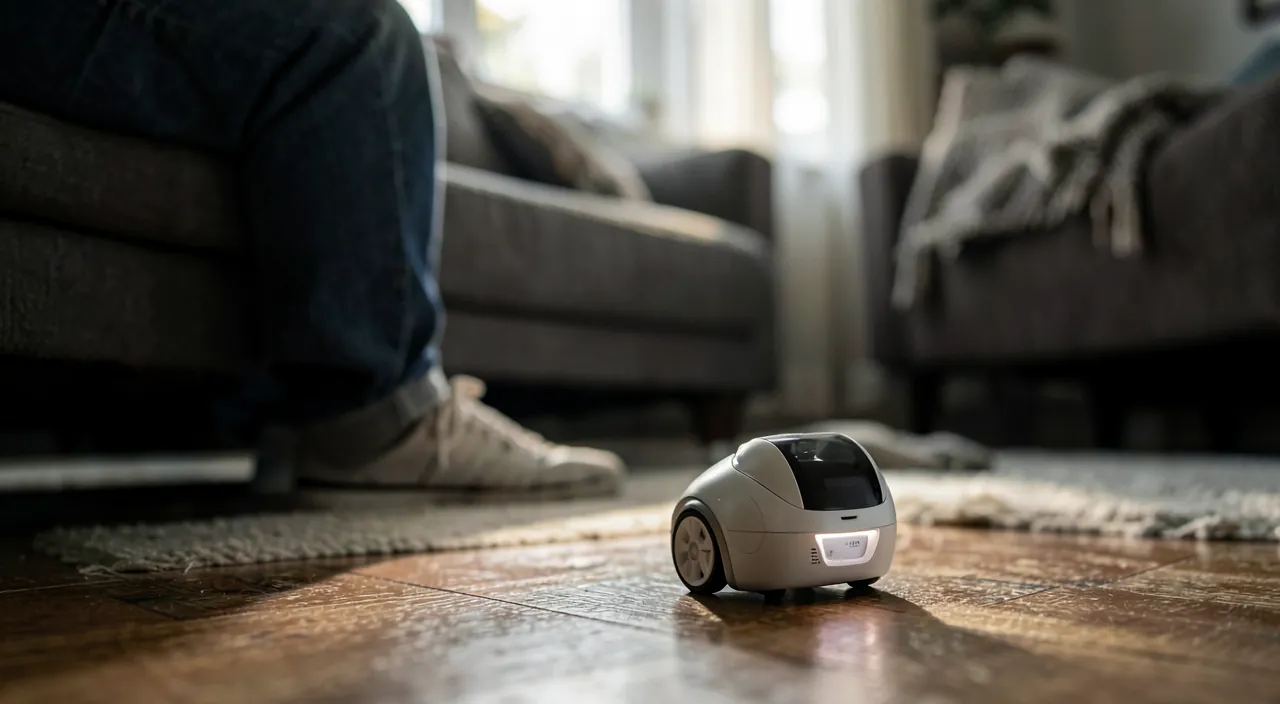
The domestic robot has succeeded in its stealthy entry: the autonomous vacuum cleaner — home mapping, smart navigation, automatic emptying — has become ordinary household appliances, followed by its cousins, floor washers, lawnmowers, and pool cleaners. Their secret: a single, repetitive task in a closed environment. That’s the recipe for today’s robotic success — and it’s expanding: the connected home itself (sensors, automation, voice assistants) works like a distributed robot we no longer call a robot. The revolution is already here; it just takes the form of a disc that sucks under the sofa.
Where robots excel: invisible work
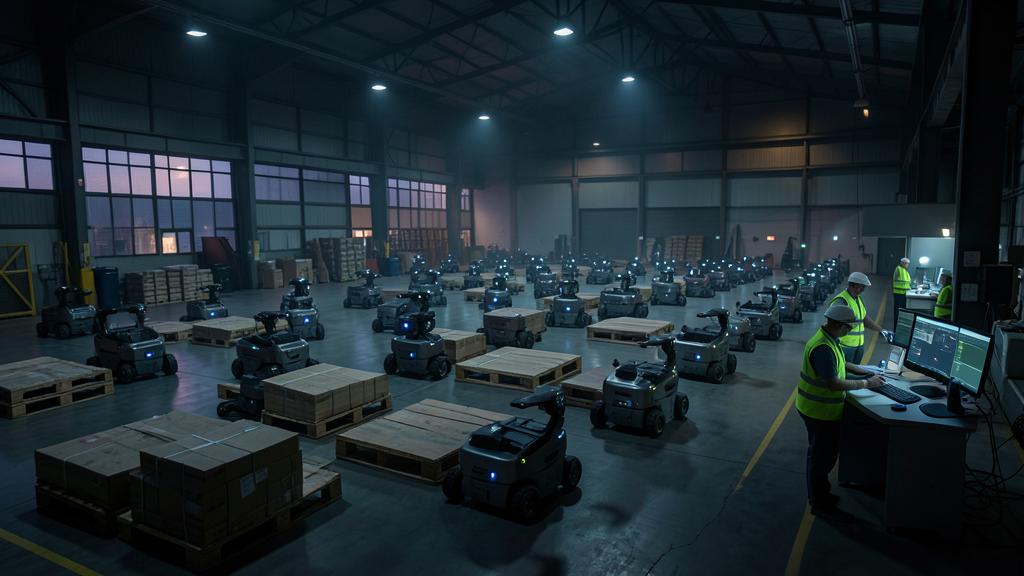
The big robotic boom is happening outside our living rooms: in warehouses (coordinated fleets that move, sort, and prepare orders behind your deliveries), industry (collaborative arms now working alongside humans, without safety cages), agriculture (precision weeding, assisted harvesting, crop analysis drones), and logistics (experimental delivery by small autonomous vehicles). Added to this are valuable niches: robots for inspecting dangerous areas, surgical assistance, and exploration. Everywhere, the same pattern: the robot takes on the repetitive, tedious, or dangerous — and the human moves toward supervision, maintenance, and decision-making.
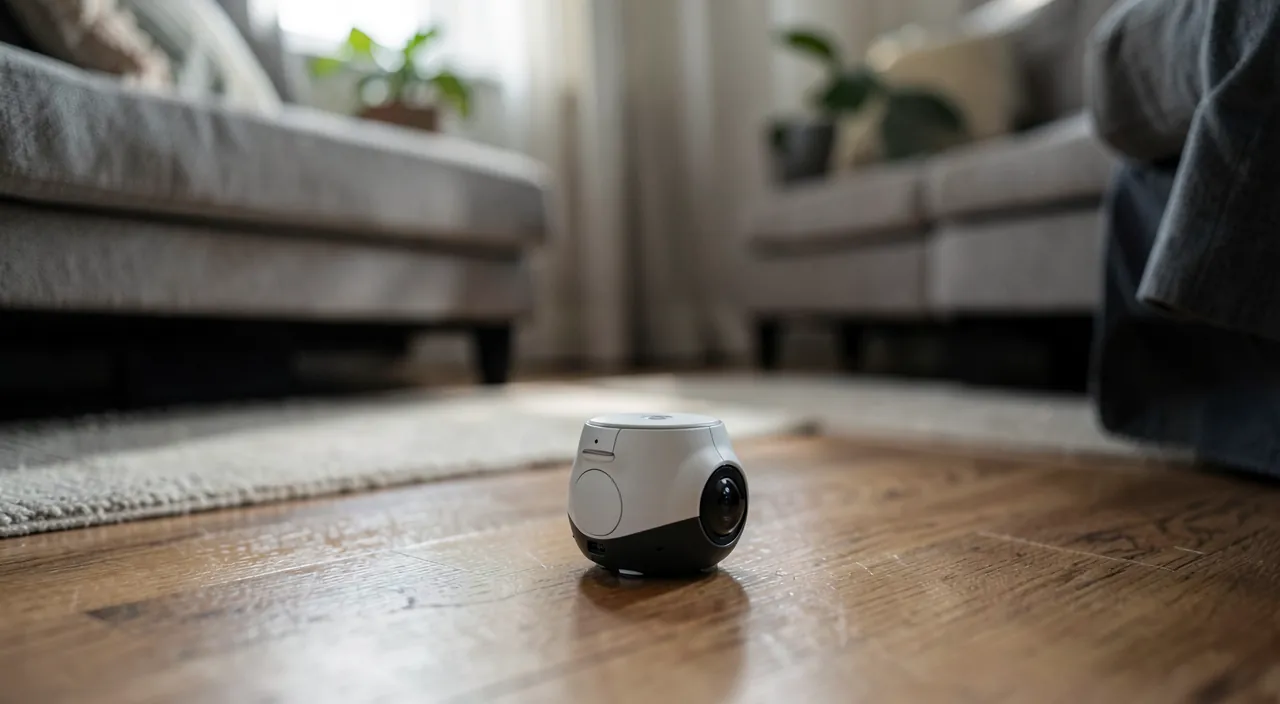
The right reflex (if you equip your home). Apply the same rules to domestic robots as you do to connected objects: trusted brands (updates!), a secure account with a real password and two-factor authentication, and a thorough review of privacy settings — a vacuum cleaner that maps your home and sometimes carries a camera collects sensitive data: know where it goes, and disable what you don’t need.

Robots are best at jobs that are boring, dangerous, or repetitive. They don’t replace humans but take over the hard parts, letting people focus on more important tasks.
In Amazon warehouses, robots like the Kiva system move shelves to human workers, cutting delivery times by 20%. These robots work 24/7 in a controlled space, showing how automation boosts efficiency.
Humanoids: promises and reality
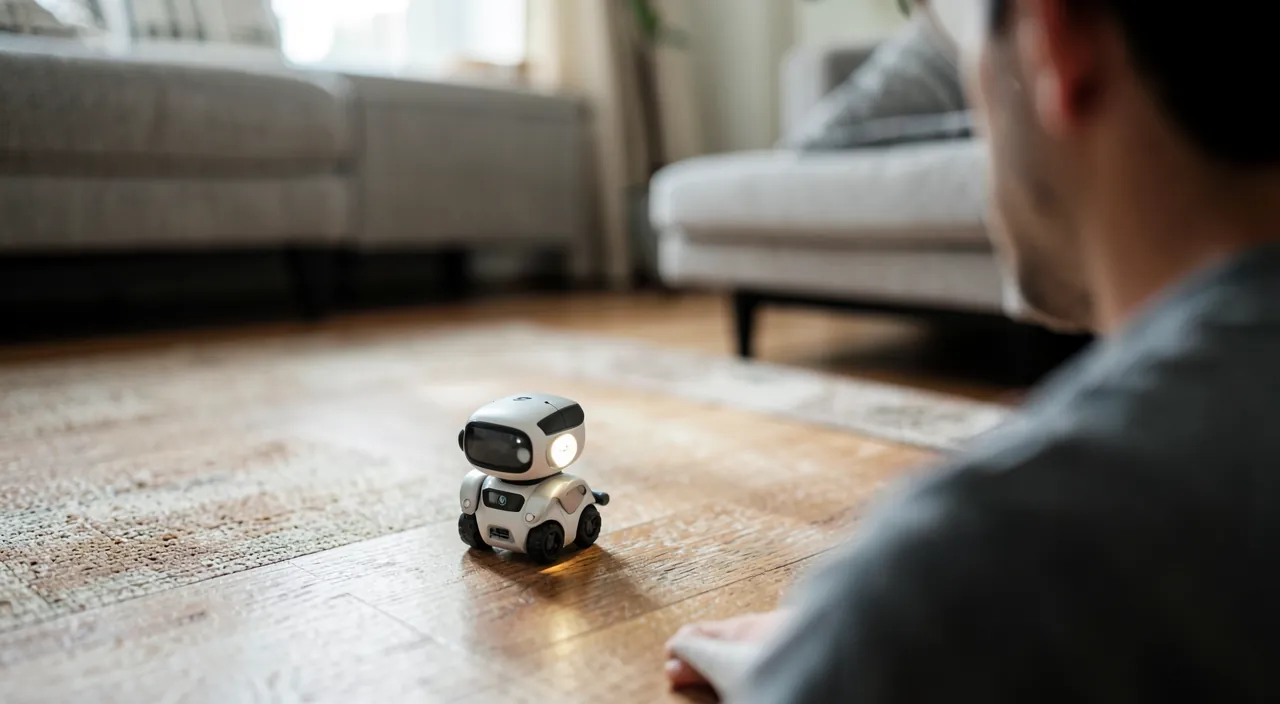
Humanoid robots concentrate investments and fantasies — for a rational reason: our world is built for the human body (stairs, handles, tools), and a humanoid robot could theoretically do everything without any adaptation. Progress is real and spectacular: balance, walking, object manipulation, learning through AI rather than exhaustive programming — it’s also the junction with generative AI that has revived the field, with robots now understanding instructions in natural language. But the gap between the demo video and reliable, safe, and affordable utility remains huge: the first deployments are in factories and warehouses, controlled environments — the humanoid butler in the home is still a distant horizon, as the home (unpredictable, cluttered, inhabited by children and pets) is the most difficult environment for a robot.
The real questions that come with them
The entry of robots into daily life raises very concrete issues. Employment: as with every wave of automation, some jobs disappear, others emerge (supervision, maintenance, design) — the real issue is the pace of the transition and training. Physical and digital security: a robot is a connected object that moves — its reliability and protection against hacking become critical as it gains strength and autonomy. Privacy: cameras and mobile sensors in domestic spaces require clear guarantees. And social ties: robots assisting the elderly or isolated people provide real services — provided they complement, never replace, human presence. Technology is advancing; the framework, however, is being built now.
To put into perspective. Viral videos of dancing or acrobatic robots are carefully prepared demonstrations — not the daily reality of robotics, which is made up of controlled environments, failure rates, and human supervision. Neither panic (« they’ll replace everything ») nor naivety (« it’s just around the corner »): robotics is progressing quickly where tasks are structured, slowly in the chaos of the real world. The future is coming — at the pace of engineers, not trailers.
Frequently asked questions
When will a humanoid robot be available for the home?
Not anytime soon for the general public: cost, reliability, and safety in an unpredictable environment remain major obstacles. The coming decades will first see humanoids in controlled professional settings — the home will come last, precisely because it is the most difficult.
Will robots eliminate jobs?
They shift tasks more than they eliminate work: the repetitive tasks are automated, while supervision, maintenance, and relationships gain value. Industrial history suggests a reshuffling — but the pace of that change deserves our collective attention.
Is my robot vacuum spying on me?
At the very least, it collects a map of your home, sometimes images: sensitive data. Trusted brand, secure account, privacy settings reviewed — the same reflexes as for any connected object apply.
What to remember
Robots are entering daily life in two ways: the domestic discretion — vacuum cleaners, lawnmowers, automated homes, already commonplace — and industrial power — warehouses, factories, agriculture, where they silently transform work. Humanoids, meanwhile, are making real progress thanks to AI but remain at the stage of controlled environments: beware of demonstrations, watch the deployments. For you, the essential is twofold: take advantage of the services provided while applying the security and privacy rules of connected objects to robots — and follow with lucidity the real questions (employment, security, human connection) that, for their part, have nothing futuristic about them: they are being asked right now.
A smart home or high-tech project at home?
Leave a Reply
You must be logged in to post a comment.