
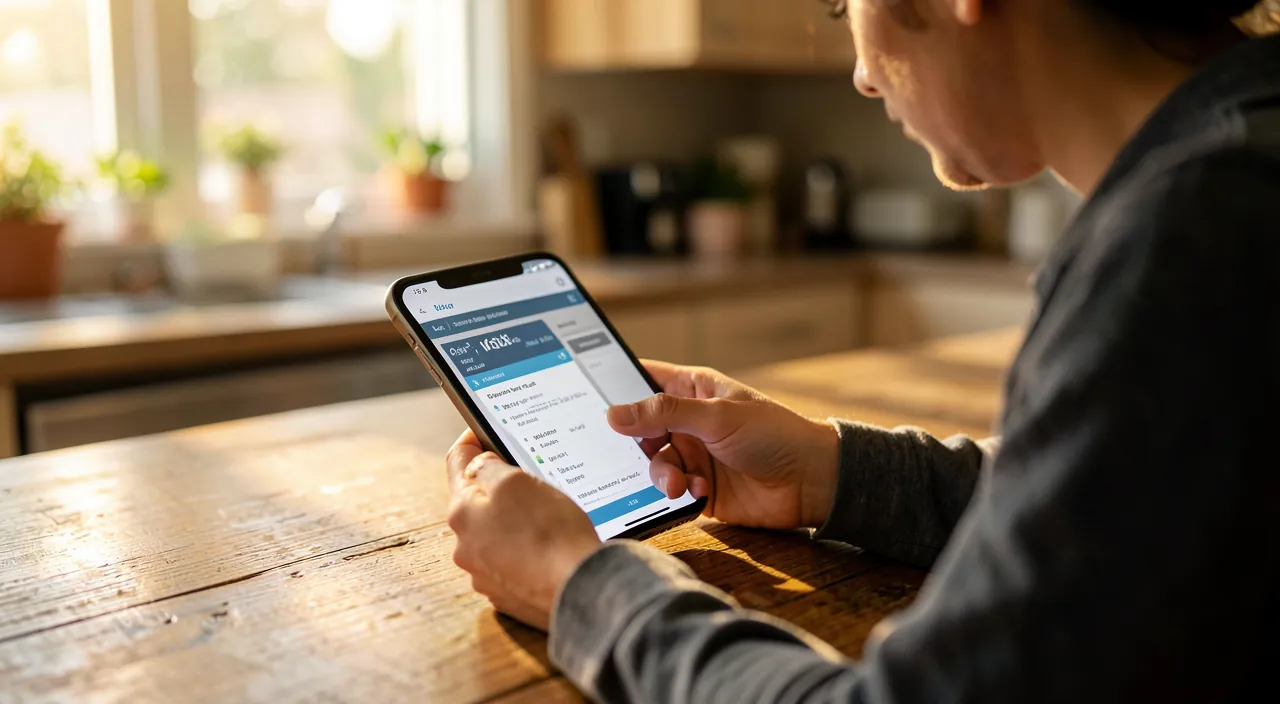
Where does the money go? The question we ask ourselves at the end of each month, usually without a precise answer — between the small invisible expenses, the forgotten subscriptions, and the « reasonable » groceries that aren’t. Expense tracking apps respond exactly to this: making visible what was blurry, without judgment and without tedious spreadsheets. And visibility changes everything: you only control what you see. This guide shows you how to choose your app, use it without spending your life on it, and turn tracking into real savings.
Why tracking changes the game
The budget that goes off the rails is almost never a matter of big splurges: it’s the accumulation of invisible expenses — the « exceptional » meal deliveries that have become weekly, the subscriptions that piled up, the pleasure purchases below the radar. The simple act of seeing — a month of expenses categorized — produces a click that all the budgeting advice in the world doesn’t get: you discover YOUR numbers, not abstract averages. And in front of your own numbers, decisions become obvious and personal: this item works for me, that one doesn’t.
When you see where your money really goes, you stop guessing. The small, hidden expenses add up, and realizing that helps you make better choices without feeling deprived.
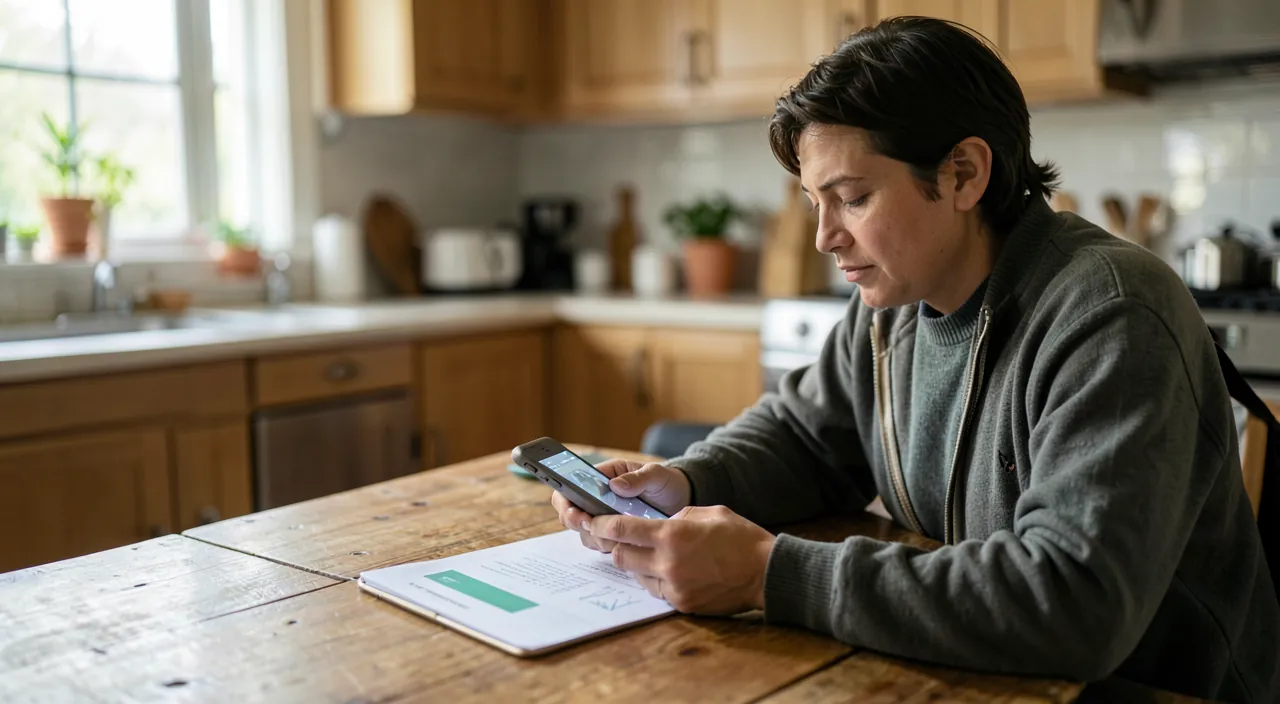
Sarah used an app to track her spending and found she was spending €120/month on forgotten subscriptions. After canceling unused ones, she saved €80/month without changing her lifestyle.
Choosing your app: the real criteria
- Simplicity first: expense entry in three seconds, clear categories — the overloaded app ends up abandoned.
- Manual entry or bank connection: connecting to accounts automates everything (each transaction categorized alone); manual entry, more restrained, has a hidden virtue — noting each expense makes you think before spending. Both approaches work: choose based on your discipline.
- Confidentiality, a major criterion: your financial data is ultra-sensitive. Demand a serious player, transparent about data usage — and for bank connections, only services using official secure channels.
- Useful reports: the view by categories and monthly evolution are enough — avoid the chart factory.
The right reflex. Start with a month of pure observation: track everything, change nothing, blame nothing. This judgment-free diagnosis reveals your real spending categories — often surprising — and builds a realistic budget based on your actual numbers rather than intentions. Decisions will come naturally: you don’t argue with your own totals.
From tracking to budget: the gentle method
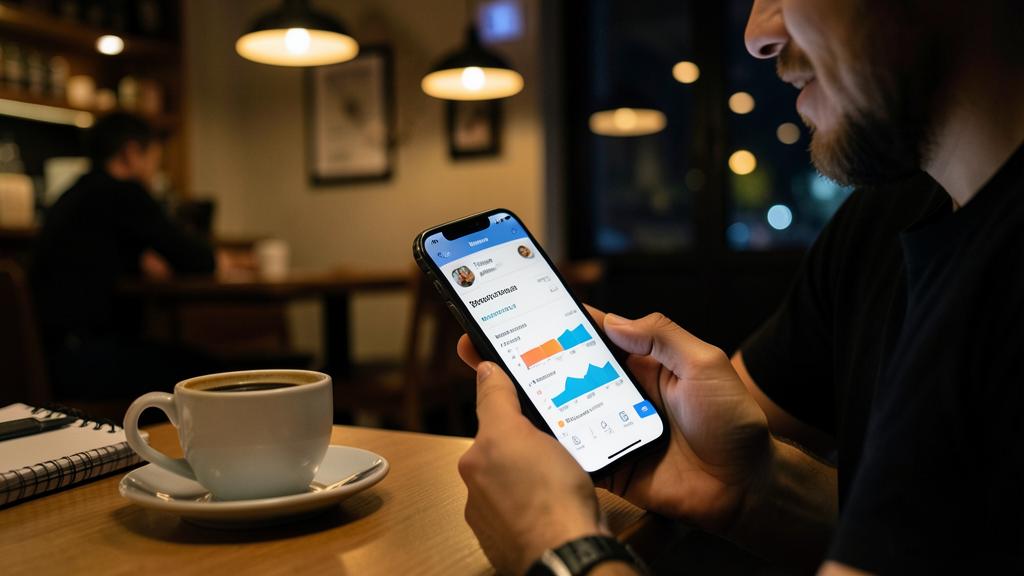
After the observation month, three steps are enough. 1. Set realistic envelopes on just three or four categories — those that surprised you — rather than a rigid total budget: « deliveries: such amount per month, » « pleasure purchases: another amount. » 2. Check once a week, for five minutes: where are the envelopes at? — this is the appointment that keeps you on track without daily obsession. 3. Automate savings: a scheduled transfer at the start of the month to savings, even modest — save first, spend the rest, and not the other way around. This trio beats grand austerity plans: it’s sustainable, therefore maintained.
Hunting for easy gains
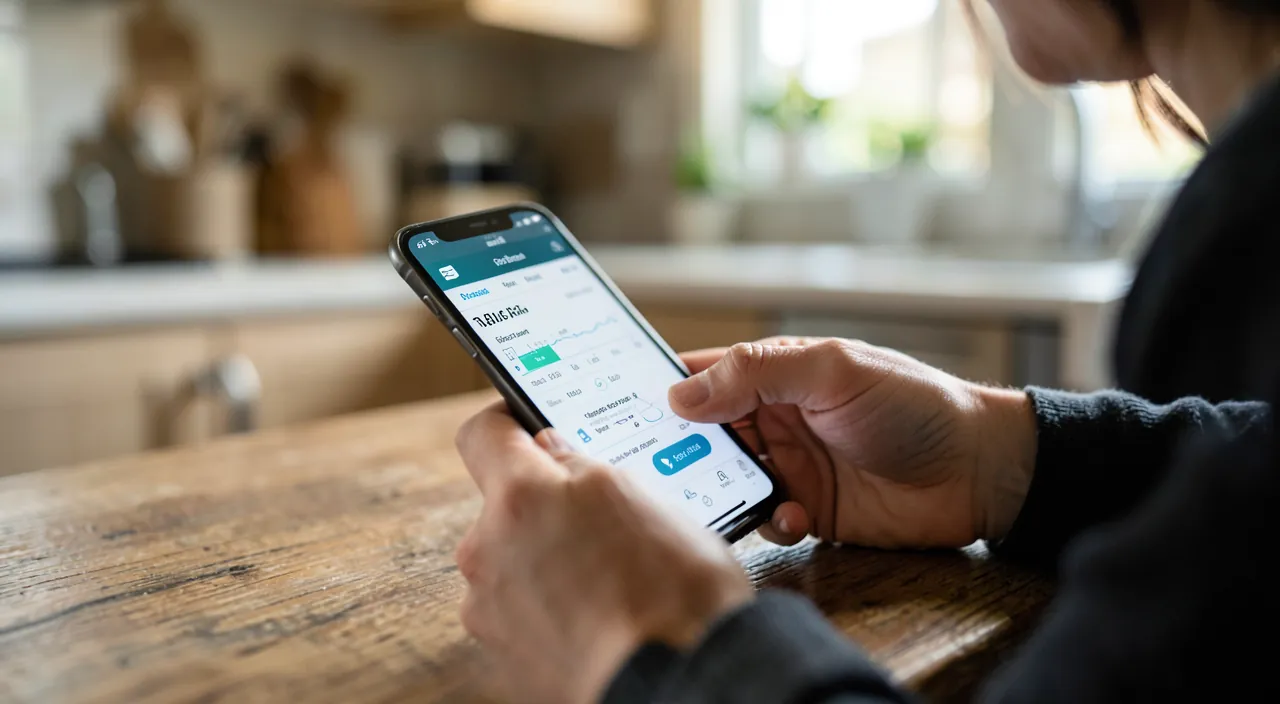
Tracking almost always reveals the same deposits — might as well harvest them: the forgotten or duplicate subscriptions (stacked streaming, unused services — often tens of euros per month recoverable in one gesture); the negotiable recurring fees (insurance, plans — an annual call to competition pays off); the systemic small expenses — not to eliminate them all, but to consciously choose those that are worth the pleasure; and food waste, which meal planning visibly reduces. The goal is never deprivation: it’s to align your spending with what truly matters to you.
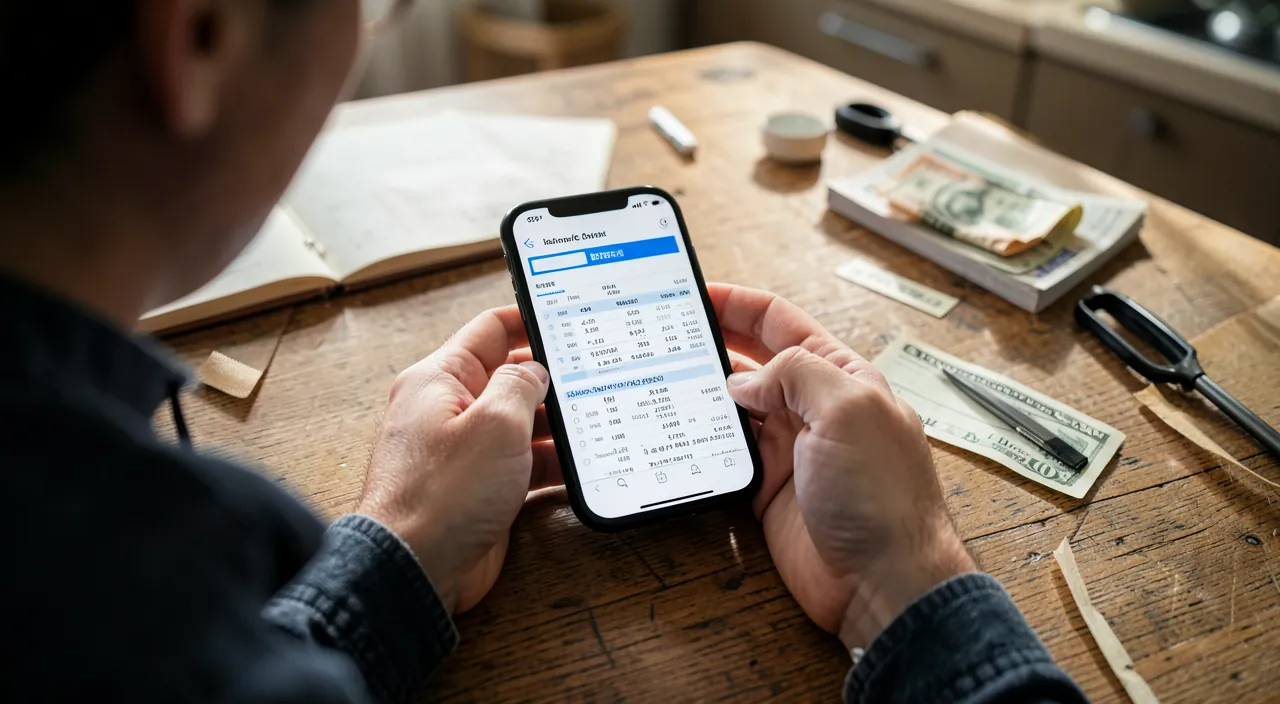
To watch out for. Trust your financial data with high standards: app from an identifiable publisher, clear privacy policy, bank connection only through official secure channels — and avoid free apps with opaque business models, where your consumption data could be the real product. In doubt, manual entry in a simple app remains a perfectly safe and effective option.

Frequently asked questions
Bank connection: is it risky?
Via the official and secure channels provided for this purpose, with serious players, the system is regulated and read-only access — the app sees the transactions, cannot pay. The real criterion is the seriousness of the publisher: no bank connection with an unknown.
I last three weeks then give up: what to do?
Lighten up: automatic connection rather than manual entry if it bothers you, three categories tracked instead of fifteen, and the sole five-minute weekly appointment. An imperfect tracking that lasts is better than a perfect tracking abandoned.

Should we have a shared budget as a couple?
Shared tracking of common expenses (via a shared list or app) clarifies a lot — and eases money conversations by basing them on numbers rather than impressions. Each keeps their own garden otherwise.
What to remember
Tracking your expenses isn’t a financial punishment: it’s making the invisible visible — and visibility alone triggers the right decisions. The method that works: a judgment-free observation month, then realistic envelopes on only the surprising categories, a five-minute weekly appointment, and automated savings at the start of the month. Choose a simple and serious app — the confidentiality of your financial data is non-negotiable — and harvest the easy gains: forgotten subscriptions, negotiable fees, waste. The final goal isn’t to spend less by principle: it’s to spend consciously, for what truly matters — and finally, to find the answer to « where does the money go? »

Need help choosing safe apps?
Leave a Reply
You must be logged in to post a comment.