
Ten years ago, talking to a machine was science fiction. Today, millions of people ask for the weather out loud, dictate messages, or control their home with a word. Voice assistants have slipped into our daily lives — but where do we really stand in 2026? Between marketing promises and actual use, there’s a gap worth exploring to understand what this technology can do, what it still can’t, and where it’s headed.
How a voice assistant works
Behind a simple voice command lies an impressive technical chain. First, speech recognition converts your voice into text. Then, a language understanding model interprets your intent: « set a 10-minute timer » is broken down into an action and a parameter. Finally, the assistant performs the task and responds, often with a synthesized voice that has become surprisingly natural.
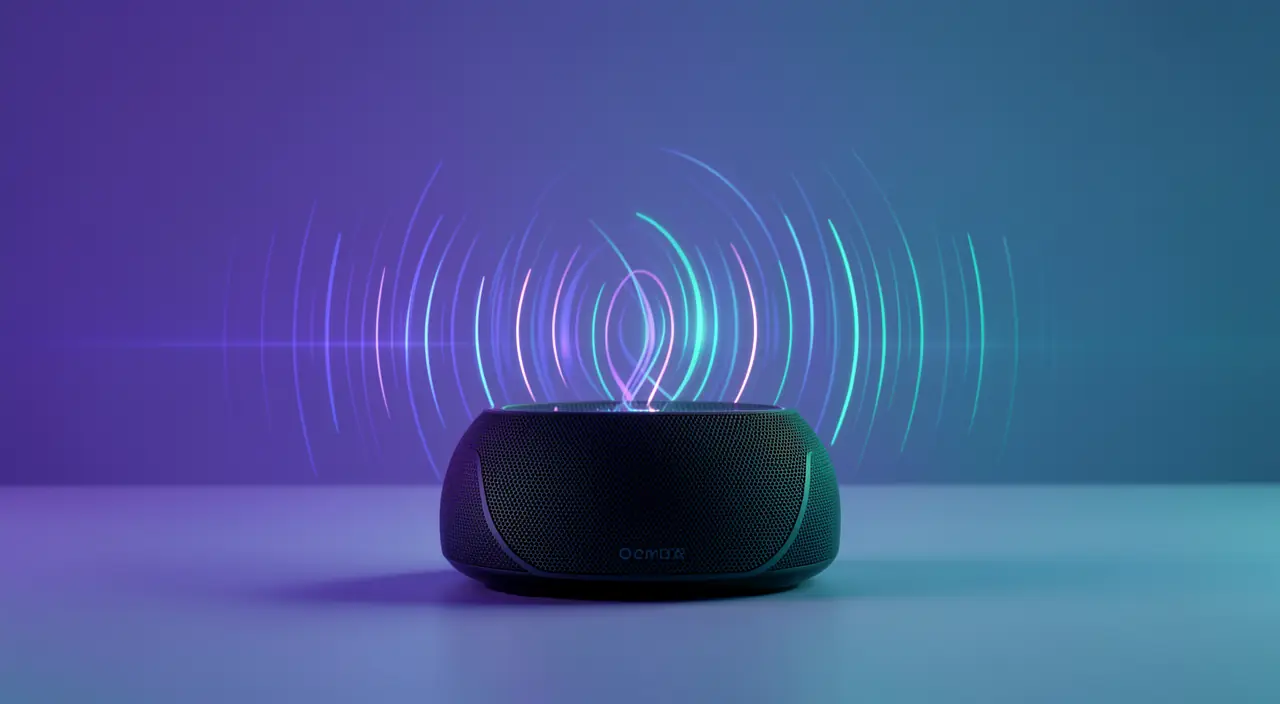
Each of these steps has made spectacular leaps in recent years. Speech recognition now handles accents, background noise, and multiple languages. Voice synthesis, meanwhile, has moved away from robotic tones to almost human intonations.
A voice assistant works in three main steps: it listens to your voice, understands what you want, and then does the task. The technology has improved a lot, making it better at recognizing different voices and speaking more naturally.
If you say, « Hey assistant, set a 10-minute timer for my eggs, » the system first converts your voice into text, then figures out you want a timer for 10 minutes, and finally starts the countdown. It can even remind you when the time is up with a natural-sounding voice.
What voice assistants already do very well
- Simple, structured tasks: timers, alarms, reminders, conversions, calculations, weather.
- Controlling smart home devices: lights, thermostat, shutters, music, with a single phrase.
- Dictation: writing a message or note by voice, faster than typing on mobile.
- Quick information search: a date, a definition, a distance, a schedule.
For these uses, the voice assistant is a real comfort gain, especially when your hands are busy — in the kitchen, in the car, for a person with reduced mobility.
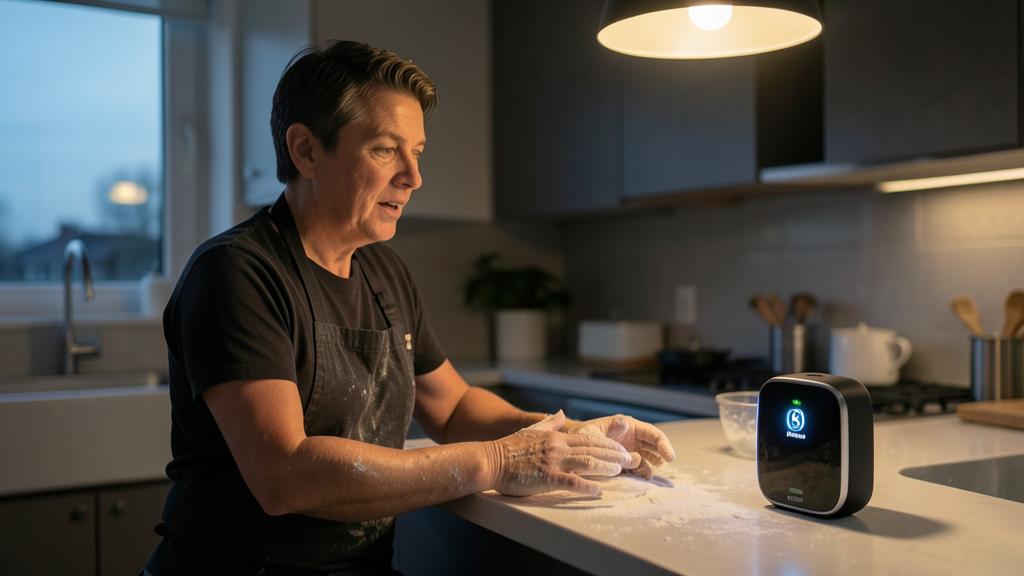

The right reflex. Formulate your requests in a natural but precise way. Assistants understand « set an 8-minute timer for the pasta » better than a hesitant, broken sentence. The clarity of the request makes all the difference in the reliability of the response.
Where it still stumbles
Despite the progress, voice assistants still have very real limitations. Complex conversations with multiple steps destabilize them: as soon as they need to keep track of a nuanced exchange, they often lose context. Ambiguous requests yield random results. And integration between different services remains uneven: an assistant excels in its ecosystem but struggles to go beyond it.
The arrival of large language models has, however, reshuffled the deck: next-generation assistants maintain a longer conversation and understand freely formulated requests, without rigid keywords. This is the main area of improvement in 2026.
The privacy question
A microphone listening in your living room raises legitimate concerns. Manufacturers claim the assistant only records after the wake word, but trust isn’t decreed. It’s essential to know where your voice data goes, how long it’s stored, and how to delete it.
To check. Take the time to explore your assistant’s privacy settings: disable history recording if you don’t see the use, regularly delete your voice data, and physically mute the microphone during sensitive conversations. These options exist; you just need to activate them.
Where we’re headed
The underlying trend is clear: assistants are becoming real interlocutors, capable of dialoguing, understanding context, and chaining complex actions. We’re gradually moving from voice commands — « do this » — to conversational assistants — « help me organize my weekend. » Coupled with autonomous agents, they could soon book, compare, and plan on your behalf, by voice.
Frequently asked questions
Do voice assistants listen all the time?
They continuously analyze sound to detect the wake word but are only supposed to record and transmit after it. Settings allow you to control what is saved.
Which assistant should you choose?
The best is usually the one from the ecosystem you already use (phone, speakers, smart home), as integration will be the smoothest.
What to remember
Voice assistants have moved from gadgets to truly useful everyday tools for simple tasks and home control. They are rapidly progressing toward real conversation, driven by generative AI. One point of vigilance never to neglect: control over your voice data. Properly configured, they offer appreciable comfort; it’s up to you to keep control over what your microphone hears and saves.
Want to create a voice experience or a custom assistant?
Leave a Reply
You must be logged in to post a comment.