
Knowing where your money goes, tracking your expenses, preparing a budget, and reaching your savings goals: personal finance management apps have become invaluable allies. They turn a dreaded chore into a clear and sometimes even motivating follow-up. But how do you choose the right one, and how do you use it effectively? This guide sheds light on the best ways to regain control of your money with these tools.
Why track your finances
Many people don’t know where their money really goes. Yet, you can only control what you measure. Tracking your expenses, even for a few weeks, often reveals surprises: forgotten subscriptions, underestimated spending categories. This awareness is the first step toward better management: it allows you to make informed decisions rather than letting your finances dictate your life.
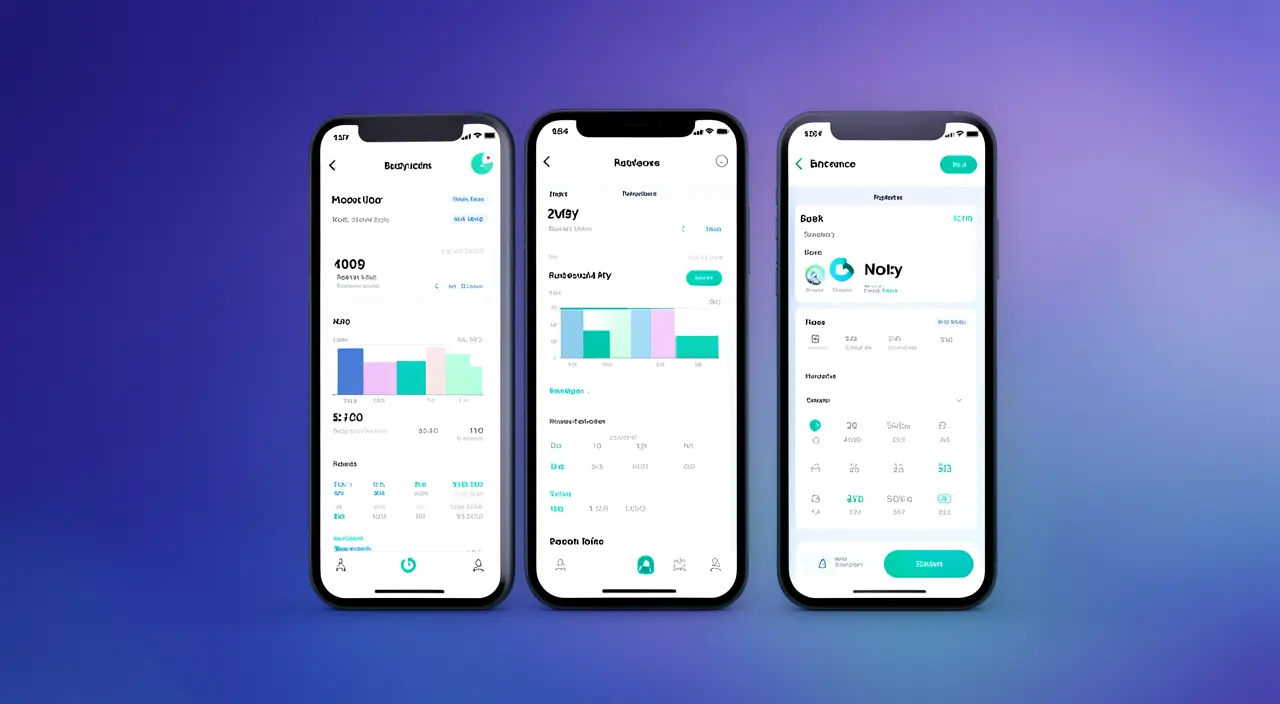
If you don’t track your spending, you’re flying blind. Apps help you see exactly where your money goes, so you can make smarter choices. It’s like having a financial GPS.
Sarah used a finance app for a month and discovered she was spending $150 on takeout every month without realizing it. By cutting back to $50, she saved $1,800 a year.
What these apps do
- Expense tracking: categorizing and visualizing where your money goes.
- Budget management: setting limits per category and tracking adherence.
- Goal tracking: saving for a project, paying off debt.
- The big picture: consolidating your accounts for a global view.
The right reflex. Start simply by tracking your expenses for a month, without trying to optimize everything right away. This simple observation will teach you a lot about your real habits: it’s the essential foundation before building a budget that works.
Choosing the right app
Several criteria matter: ease of use (a too-complex app will be abandoned), privacy protection—critical for such sensitive data—and alignment with your needs. Some want a simple expense log, others a full budgeting tool. The right choice is the one you’ll use regularly without effort: consistency matters more than feature richness.
The security question
Trusting an app with your financial data requires special caution. Prioritize serious solutions that are transparent about data protection and usage. Check how your information is stored and secured, and enable all available safeguards (password, lock). Your financial data is among the most sensitive: its protection should never be overlooked for simplicity’s sake.

To check. Be especially vigilant about the privacy of finance apps: your banking data is extremely sensitive. Avoid shady or opaque apps, and be wary of those that demand banking access without solid guarantees. When in doubt, cautious manual management is better than a risky app.
Frequently asked questions
Should you connect your bank accounts?
Some apps offer this to automate tracking, but it’s not mandatory. Manual entry, though more cautious, remains perfectly viable and keeps you in control of your data.
Do these apps really help you save?
Yes, indirectly: by making your habits visible, they help you identify where to cut back. Awareness is the first step toward saving.
Key takeaways
Personal finance apps help you regain control of your money by making your spending visible and simplifying budget tracking. The secret: start simple, by observing your habits, before optimizing. Choose an app you’ll actually use, and be strict about the privacy of such sensitive data. When used well, such an app turns a stressor into a clear and serene way to manage your finances.
Want to better manage your finances? Discover Pekune.
Leave a Reply
You must be logged in to post a comment.