
A third of the trash is food — paid full price grocery items forgotten in the fridge, expired in the pantry: food waste costs each household several hundred euros per year before even mentioning the planet. Anti-gaspi apps have attacked the problem from all angles: surprise baskets from merchants at a fraction of the price, tracked expiration dates, leftovers turned into recipes, and neighborhood donations. Less waste AND less spending — the rare topic where ecology and the wallet pull in the same direction: the complete guide.
Surprise baskets: the unsold becoming a good deal
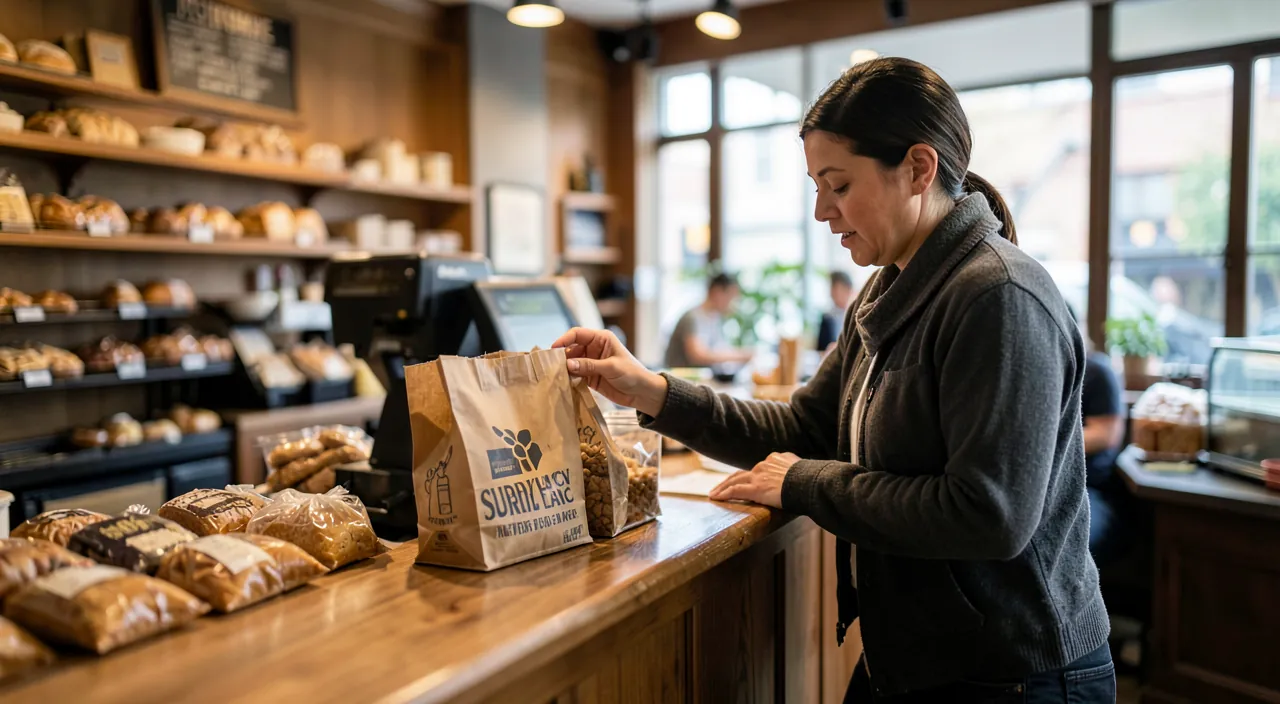
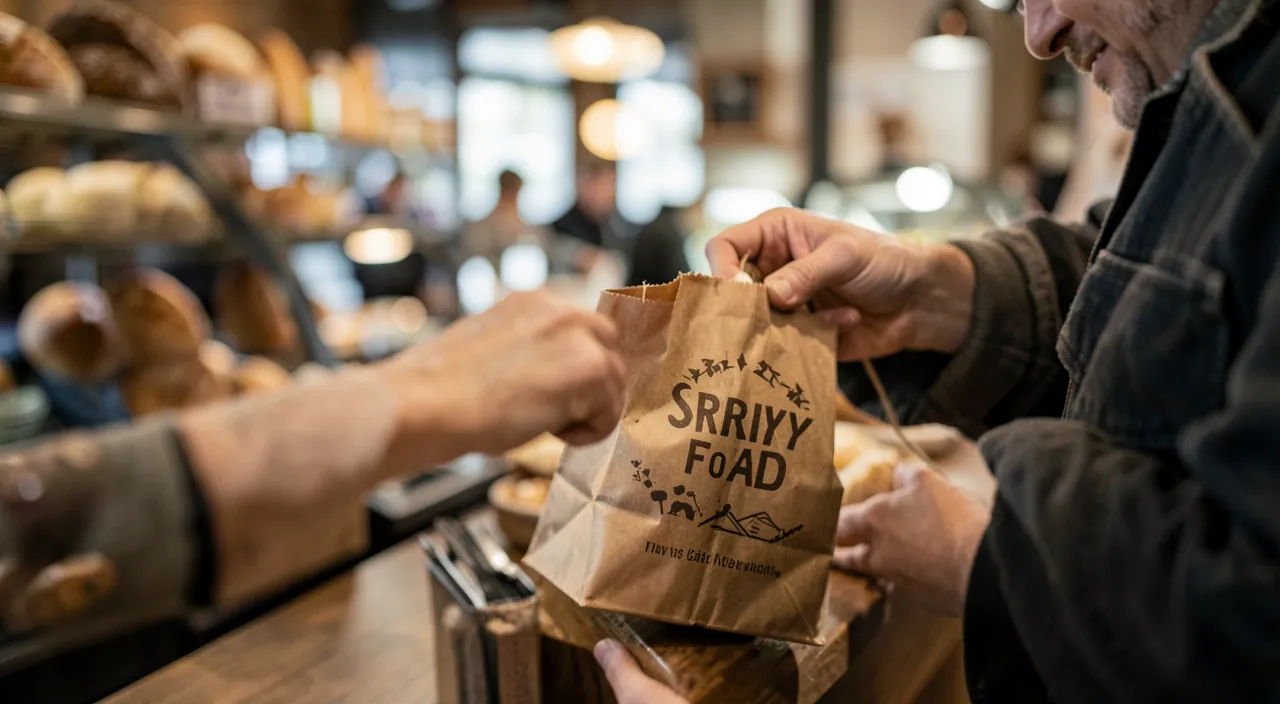
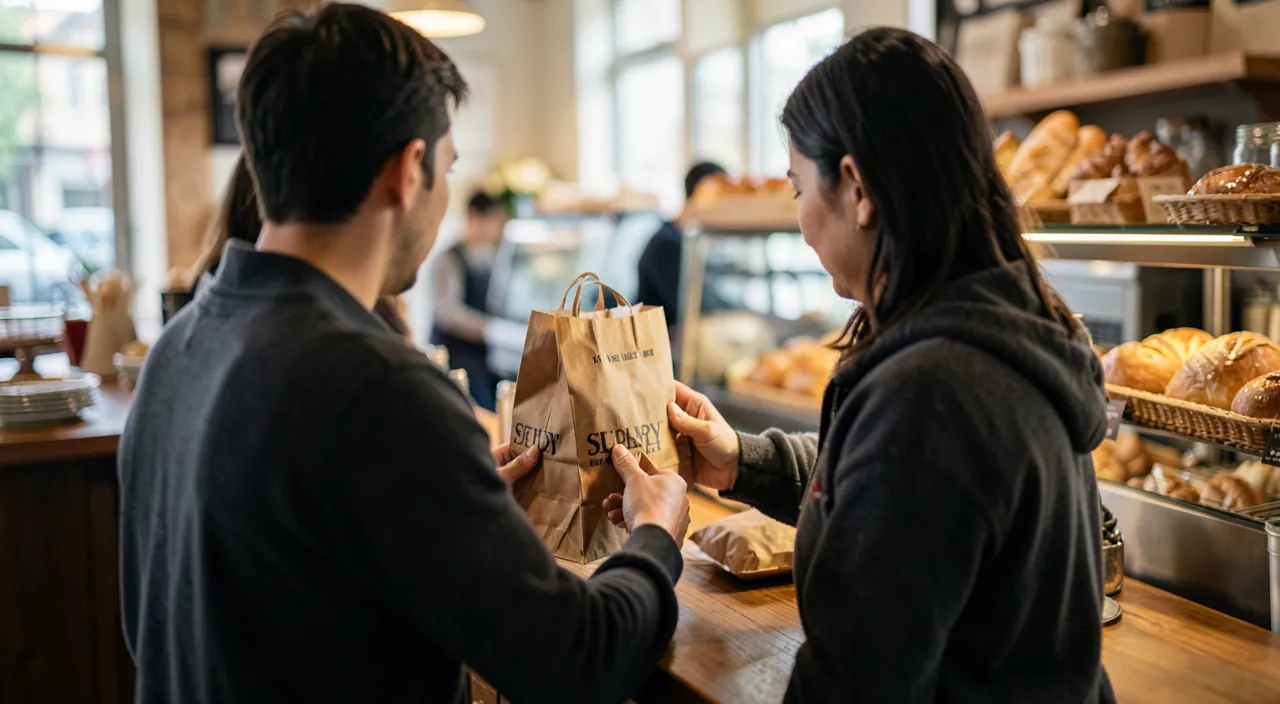
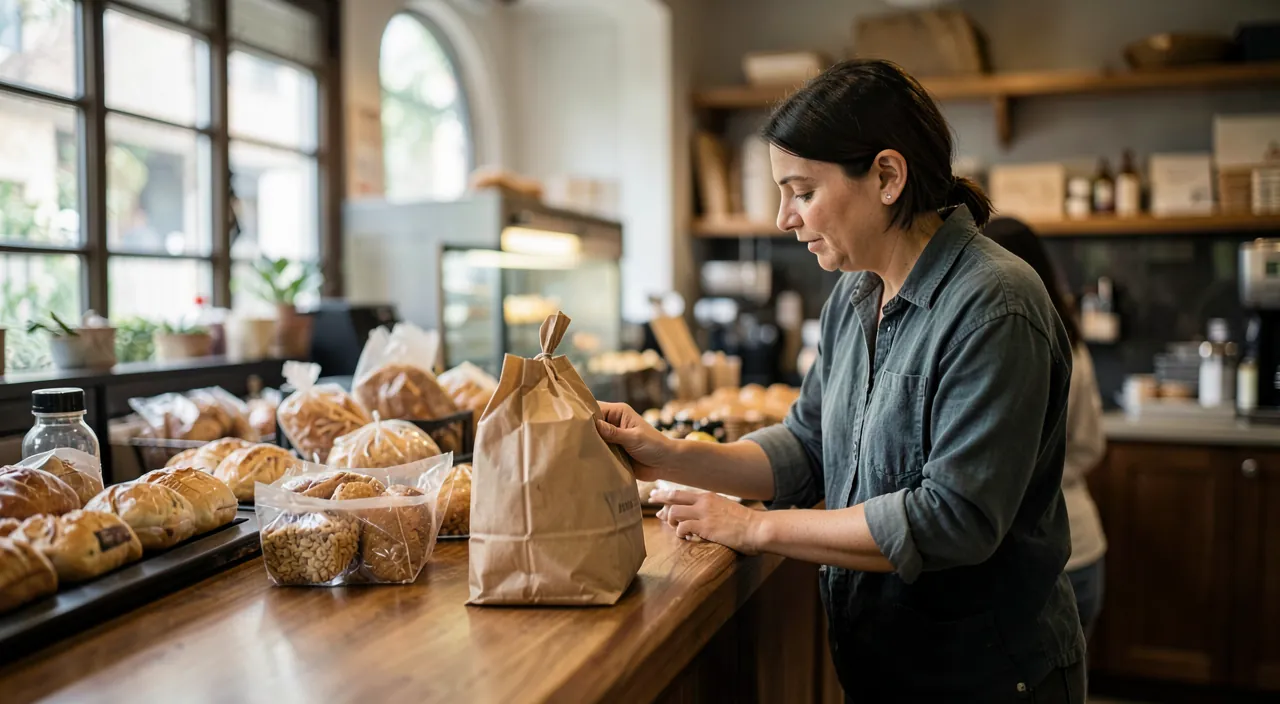
The phenomenon that popularized the genre: the anti-gaspi grocery apps (the sector’s reference and its peers) — the principle: merchants sell their day’s unsold items in surprise baskets at a third of the price (the bakery at 6 PM, the produce market, the gourmet store, the hotel in the morning — the contents are discovered upon pickup: the surprise is part of the deal); the smart user manual — adhering to pickup slots (unpicked reserved baskets penalize the merchant and your account), favorites and alerts for nearby stores (the bakery basket for your commute home — the anti-gaspi that integrates into life rather than adding a trip: the dedicated car trip eats the benefit), reading reviews (generous baskets are identifiable — as are the disappointing ones), and the flexibility in entry conditions (the surprise basket feeds those who know how to cook the unexpected — the link with our AI cooking guides: the photo of the basket to the assistant, « three ideas to use everything » — the surprise basket + AI leftovers is the modern anti-gaspi combo); and the honest limitations — unequal offers by city, the race for popular baskets (reservations that go fast — alerts help), and the trap of false need (the saved croissants that would never have been bought — the anti-gaspi that overconsumes has missed its target: we save what we would have bought, our purchase guides).
The fridge under control: dates, stock, and rotation
Domestic food waste plays out at home — the tools: the date tracking — grocery and pantry management apps (products scanned at purchase, alerts before expiration — « the yogurt expires in two days » — effective for organized households, too heavy for others: the light version that works for all — the « eat soon » section of the fridge — the dedicated shelf where short-dated items migrate, checked before each meal — the physical system often beats the app: choose according to your temperament); the rehabilitated date reading — the distinction that changes everything: the DLC (« to be consumed until » — safety: it is respected, fresh animal products first) against the DDM (« to be consumed preferably before » — quality: the dried product, the can, the chocolate remain consumable long after — smell and common sense judge: tons of pantries are thrown out over a regulatory misunderstanding — learn the nuance at home, it’s worth tens of euros a year); the rotation and storage — the new behind the old (the supermarket rule at home), the fridge by zones (the misleading door for milk — known cold zones), and reflex freezing (the leftover bread, the meat from the day before, the portions of leftovers — the freezer is the machine to reset dates: its simple inventory — the note on the door — avoids freezer oblivion); and the anticipatory shopping — the list linked to menus (our guides — food waste begins at the store: we throw away what we bought without a plan), honest quantities (the 3 kg filet « advantageous » for two eaters — the per-kg price only counts if eaten), and adjusted bulk.
The key is to understand the difference between “use by” (DLC) and “best before” (DDM) dates. “Use by” means safety risk, while “best before” is about quality. Many foods are still good after the “best before” date, saving you money.
A family of four buys a 1 kg pack of chicken (DLC: 3 days later). Instead of freezing it all, they cook 500g for dinner and freeze the rest. The next week, they check the freezer note and use the frozen portion before it’s forgotten. This way, nothing is wasted, and they save €10/month on groceries.
The good reflex. Establish the weekly leftovers meal — the ritual that empties and feeds: a fixed evening (Thursday, pre-shopping night), the fridge is emptied — the inventory of leftovers and short-dated items (AI cooking photo if inspiration fails: our guides — « compose a meal with this » — the quiche-omelette-soup-stir-fry that absorbs everything, and the fridge is clean for the next day’s shopping (buy with clear vision — the complete virtuous circle): the household that follows this single ritual reduces its food waste by a third — and discovers that the best meals are often improvised.
Cooking leftovers and « ugly » produce: creative tools
Anti-gaspi is a full-fledged cuisine: the recipes by ingredients — the AI chef of leftovers (our guides — the foundational reflex: ingredients listed, constraints set, three received ideas) and apps for reverse recipe search (sites that search BY what you have — the « I have zucchini and goat cheese » mode); the saving gestures — edible stems and peels (stem pesto, peel chips — anti-gaspi guides abound: the vegetable is more edible than we think), stale bread with a thousand lives (pancakes, breadcrumbs, crostini — the most discarded product in France has the most rescue recipes), overripe fruits in compotes-smoothies-cakes (the black banana is an ingredient, not a waste), and the canning reflex (leftover sauce, half an onion FILMED or canned — food waste loves open-air leftovers); the ugly and downgraded products — anti-gaspi store ranges (odd-shaped fruits at reduced prices, short-dated shelves — the eye that searches saves), producer sales (carts of « downgraded » produce for preserves and soups); and the learned storage — basics that extend shelf life (herbs in water, salad in airtight containers, apples away from bananas — incompatible with the basket exist), and motivated techniques above the line (fermentation, pickling — following serious guides: the safety rule of our preserves guides — fantasy stops where botulism begins).
Giving, sharing, composting: the complete circuit
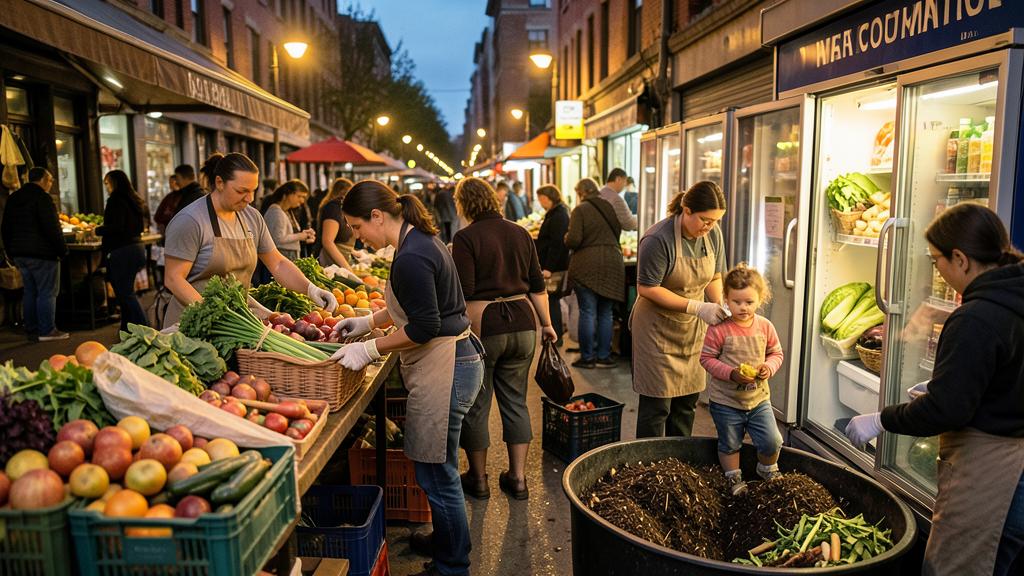
What won’t be eaten at home can serve elsewhere: the neighborhood food donation — apps for personal food donations (surplus from the garden, pre-move pantry items, excess groceries — given at the corner of the street: the hyper-local circuit that works, with proper hygiene — closed containers and DDMs are given with ease, homemade between neighbors is a matter of direct trust), and city shared fridges and shared pantries (the map is learned — donating becomes a weekly reflex); the associations and redistribution — food bank collections (needs and lists in their apps — the useful donation is the one they ask for), and anti-gaspi volunteering (organized gleanings, market pickups — the engagement that joins the useful to the gesture); composting finally — general waste sorting obligation (garden composters, balcony worm composters, city collection points — the map in municipal apps: our guides — the peel becomes soil instead of incineration), keeping hierarchy in mind: compost is the noblest of inevitable waste — not the absolution of avoidable waste (composting an entire meal is not anti-gaspi: it’s well-organized waste); and the family dashboard — food waste is measured to recede (the witness week: everything thrown away is noted — the estimated cost surprises and motivates: our guides budget — anti-gaspi is one of the few savings that doesn’t deprive anyone).
Warning: Anti-gaspi does not compromise on food safety. Zeal has strict limits: the chill chain is respected (a fresh product left overnight on the work surface is thrown away — the value lost is never worth the risk of poisoning), the DLCs of sensitive products too (meats, fish, prepared dishes, broken eggs — the non-negotiable zone: smell does not detect everything, listeria and salmonella are odorless), fragile items apply the reinforced principle (pregnant women, young children, seniors, immunocompromised — dedicated recommendations take precedence over any gaspillage chase), and doubt discards (swollen cans, suspicious odors, mold on wet products — selective fridge sorting is not a courage contest). Smart anti-gaspi plays upstream — buy just, store well, cook on time: when the question « is it still good? » is asked about a sensitive product, the game is already lost — and the trash can is the right answer, without guilt.
Frequently asked questions
Are surprise baskets really worth it?
At the price (a third of the value), almost always — in USE, it depends on you: the flexible household that cooks the unexpected gains double (the wallet and the game) — the strict menu household may lose (unconsumed products — misplaced waste): the three-basket test says it all. And gems exist by category: the bread-bakery (freezable — the bakery basket is the safe bet), the fruits-vegetables (the soup and compote absorb everything).
A fridge management app, seriously — that keeps track of this?
Few people, honestly (scanning each yogurt tires after three weeks) — so sustainable alternatives: the « eat soon » section, the weekly leftovers meal, the fridge photo before shopping (the visual reminder that avoids duplicates — the 10-second gesture that replaces the inventory). The app suits the methodical and large households; the physical system suits others: the goal is the result, not the tool.
Bulk buying and end-of-day markets: good anti-gaspi deals?
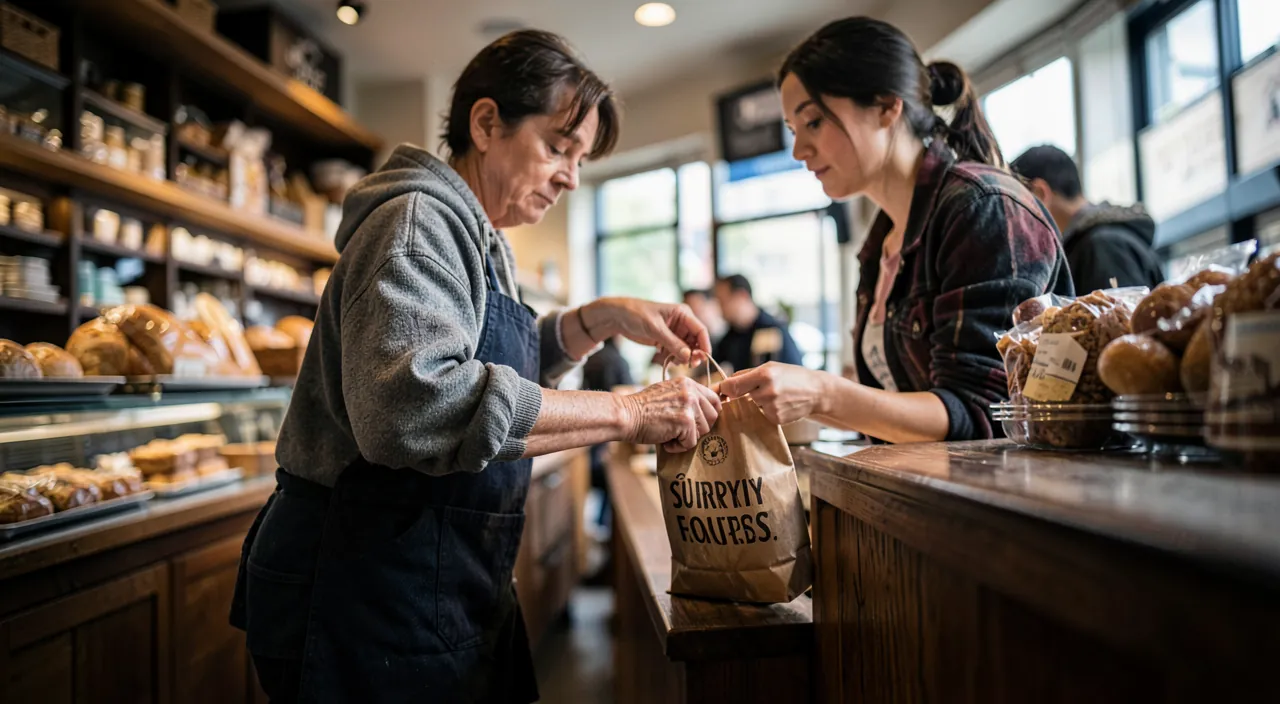
Excellent: bulk buying adjusts quantities to real need (80g of spices instead of the expiring pot — source-level anti-gaspi), and the end-of-day market bradely sells unsold fresh items (the « everything must go » hour — the half-price seasonal basket, to be cooked quickly — the historical circuit that apps only digitized). Both require the same virtue: buy what you will EAT — the only golden rule of the subject, in the end.
What to remember
Anti-gaspi wins on both fronts — hundreds of euros and the trash can lightened — by four fronts: the surprise baskets from merchants (on your route, cooked with the AI of leftovers — and only what we would have bought), the managed fridge (the DLC/DDM nuance learned at home, the « eat soon » section, reflex freezing, menu-based shopping), the leftovers cooking (the weekly meal that empties, ingredient-based recipes, stale bread and ripe fruits rehabilitated), and the surplus circuit (neighborhood donations, useful collections, compost for the inevitable — never for the avoidable). All bounded by safety that does not compromise (chill chain, sensitive DLCs, fragile protection). A third of the trash was food — in three months, at home, this will no longer be true: and no one will have eaten less well, quite the opposite.
Want to go further with your phone and apps? Our practical trainings are for you.
Leave a Reply
You must be logged in to post a comment.