
In the age of social networks, the newsletter is making a strong comeback — and for good reason. Unlike an audience on a platform you don’t control, an email subscriber list belongs to you. It’s a direct, lasting, and privileged connection with your audience. When well-executed, a newsletter builds loyalty, informs, and converts. Here’s how to create one that people want to read.
Why the newsletter remains indispensable
Email has a decisive advantage: you’re not subject to the whims of an algorithm. When you send a message, it arrives in your subscribers’ inboxes. This direct relationship, without intermediaries, explains why the newsletter remains one of the most profitable and loyal channels, especially for small businesses or freelancers.
A subscriber list is an asset you build over time that no one can take away from you.
A newsletter is like a private channel to your audience. Unlike social media, where posts can get lost, emails land directly in inboxes. This makes it a powerful way to keep in touch without relying on algorithms.
A small bakery sends a weekly newsletter with recipes and promotions. Their 500 subscribers open 40% of emails, while their Instagram posts reach only 100 people. The newsletter drives more foot traffic and sales.
Laying the foundations
- Define the promise: what does your newsletter offer? Advice, news, behind-the-scenes content? A clear promise makes people want to subscribe.
- Choose a sustainable frequency: weekly, monthly? It’s better to be regular and spaced out than frequent and then abandoned.
- Select an emailing tool suited to your volume, with a simple sign-up form.
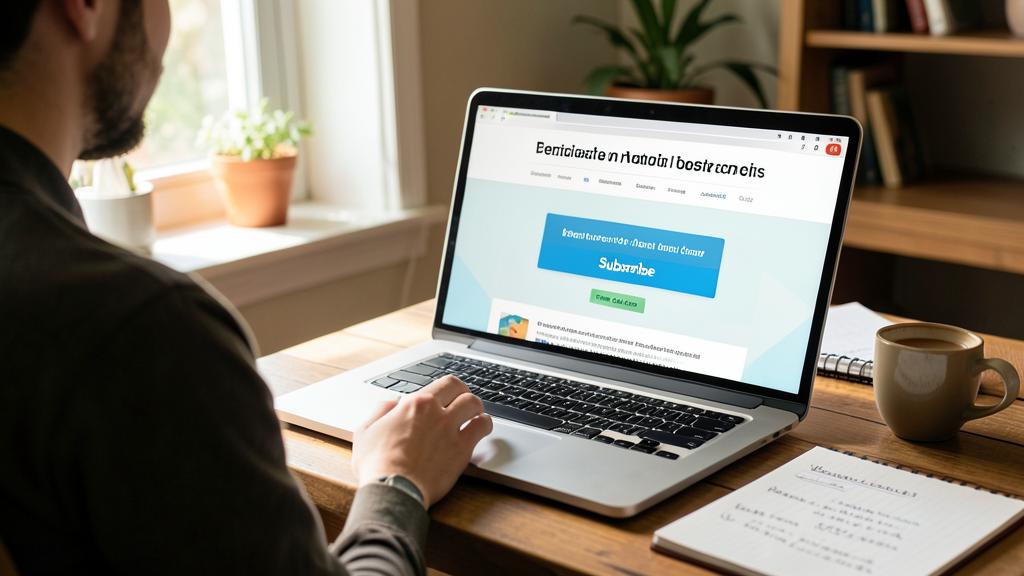
- Create a sign-up form visible on your website and social media, with a clear reason to subscribe.
The right reflex. Offer a concrete reason to subscribe: a free guide, an exclusive tip, reserved content. People rarely share their email without a benefit; a small useful gift boosts sign-ups.
Writing a newsletter that gets opened
It all starts with the subject line: it’s what determines whether it’s opened. Take care with it, make it clear and engaging, without misleading exaggeration. In the body, favor a personal and direct tone, as if you were writing to a friend. Provide value before asking for anything: a newsletter perceived as useful is read; a newsletter perceived as purely promotional ends up in the trash.
Building loyalty over time
Consistency and quality build trust. Keep the announced pace, stay true to your promise, and listen to your readers: their responses and preferences guide you. A lively newsletter that evolves with its audience stands out from the mass of impersonal emails.
To respect. Never collect addresses without clear consent, and always include a visible unsubscribe link. Beyond legal obligations (GDPR), respecting your subscribers is the foundation of a lasting trust relationship. A properly built list is worth a thousand forced addresses.
Frequently asked questions
How many subscribers do you need to start?
No threshold. Start with ten loyal subscribers rather than waiting to have a thousand. The list grows with regularity and quality.
Is it paid?
Most tools are free up to a certain number of subscribers, which is more than enough to get started and validate your format.
Key takeaways
The newsletter is a powerful and lasting channel: it gives you a direct link with an audience that truly belongs to you. A clear promise, a sustainable pace, a personal tone, and scrupulous respect for your subscribers make it a formidable loyalty tool. Don’t aim for quantity at all costs: aim for the quality of the relationship. It’s what, in the long run, turns readers into loyal customers.
Do you want to set up an effective newsletter?
Leave a Reply
You must be logged in to post a comment.