
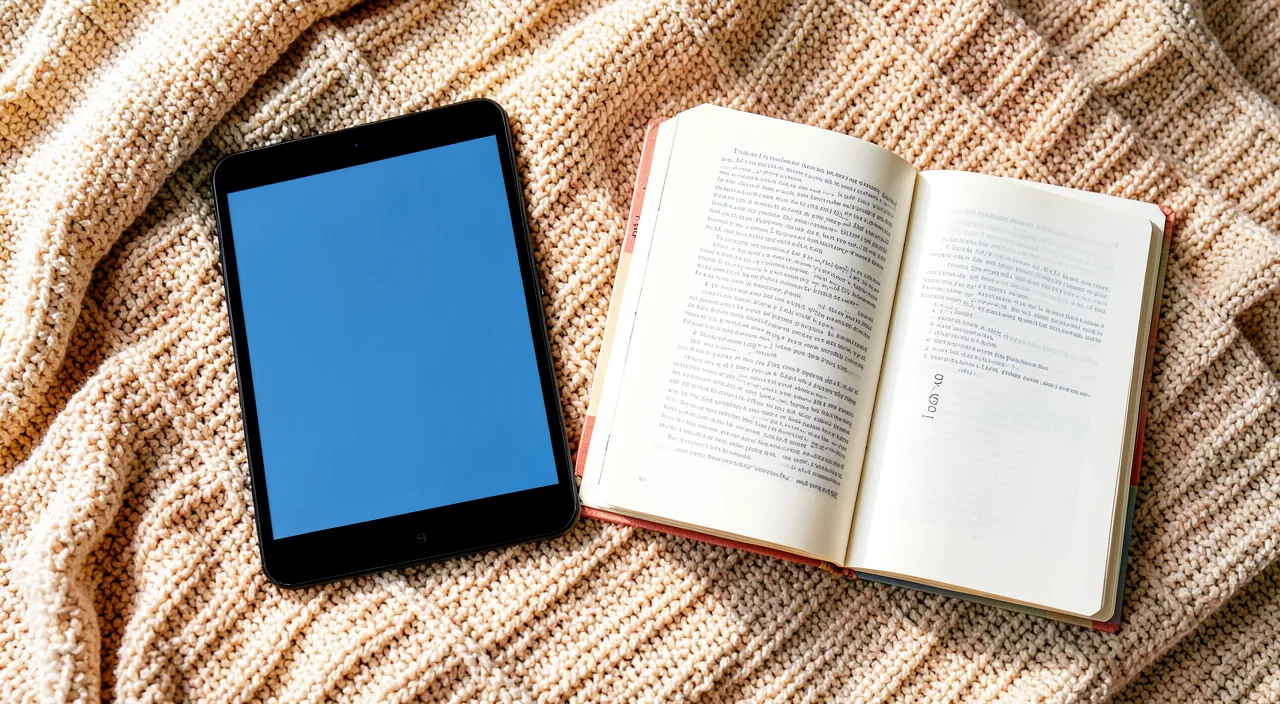
Should you read on an e-reader or on paper? The question often comes up among book lovers, and opinions are sometimes strong: some swear by paper (the smell, the feel, the object), while others couldn’t do without their e-reader (hundreds of books in your pocket). In reality, both have advantages and disadvantages, and the « best » choice depends on your usage, your preferences, and often… both at the same time. The good news: it’s not a war, and you don’t have to pick a side! An e-reader (not to be confused with a tablet: it has a special screen, without harsh blue light, designed for reading) and a paper book can coexist perfectly. Let’s honestly look at the strengths and weaknesses of each, without dogmatism, to help you make YOUR choices as a reader.
The e-reader: its strengths and weaknesses
First, let’s understand what an e-reader brings—and what it doesn’t replace. First, a clarification: an E-READER is not a TABLET; it has a special screen (electronic ink) designed for reading, comfortable for the eyes, readable in sunlight, without the distractions of a tablet; don’t confuse them. Its greatest strength: VOLUME: an e-reader contains hundreds, even thousands of books in a thin, lightweight object; an entire library in your pocket; ideal for travel, on the go; a major advantage. Lightweight and PRACTICALITY: lightweight, held in one hand, it’s practical (reading in bed, on public transport, with one hand); the comfort of handling; a real plus in daily life. IMMEDIATE ACCESS: you can buy/download a book in a few moments (feeling like reading a title? available right away); immediacy; no waiting; a comfort. READING COMFORT: you can adjust the text size (precious for declining eyesight), the lighting (reading in the dark without disturbing); adaptable reading; real comfort, especially for some readers. Weight and BULK: no more heavy, bulky books or the bulk of multiple volumes; a 1,000-page novel weighs the same as a short story; lightweight; practical. USEFUL FUNCTIONS: built-in dictionary, search, highlighting, synchronization; functions that enrich reading; practical tools; a plus. Its WEAKNESSES—the object: no physical object to own, give, lend easily, display; some miss the absence of the book-object; a sentimental and practical limitation; paper has that charm. TECHNICAL DEPENDENCE: an e-reader needs a battery (long-lasting, but finite), can break down; technical dependence; paper, on the other hand, always works; a fragility. The QUESTION of ownership: a purchased digital book is sometimes more « borrowed » than « owned » (dependence on a service/format); real ownership is questionable; a point to watch (we’ll come back to it). The INITIAL COST: buying an e-reader has an initial cost; then the digital books, not always cheaper; an initial investment; to consider. In summary, the electronic e-reader (not to be confused with a tablet: it has an electronic ink screen, comfortable for the eyes, readable in sunlight, without distractions) has real STRENGTHS: VOLUME (hundreds of books in a thin, lightweight object—ideal for travel), PRACTICALITY (lightweight, held in one hand, perfect in bed or on public transport), IMMEDIATE access to books (download in a few moments), adaptable COMFORT (adjustable text size—precious for eyesight—, lighting for reading in the dark), and USEFUL FUNCTIONS (dictionary, search, highlighting). But also WEAKNESSES: the absence of a PHYSICAL OBJECT (to own, give, lend, display—the charm of the book-object is missing for some), technical DEPENDENCE (battery, breakdowns), a question of real POSSESSION of the digital book (sometimes more « borrowed » than owned), and an initial COST. The e-reader shines in practicality and volume; it doesn’t replace the book-object.
An e-reader is like a digital library in your pocket. It’s great for carrying lots of books easily, reading with one hand, and adjusting the text size. But you don’t own the books the same way, and it needs charging. It’s perfect for travel but doesn’t replace the feeling of holding a real book.
Imagine you’re going on a two-week vacation. With an e-reader like a Kindle Paperwhite, you can bring 500 books (each weighing nothing) instead of 5 heavy paperbacks. You can read “War and Peace” at night without disturbing your partner, and adjust the text size if your eyes get tired. But if you want to give that beautiful edition of “Pride and Prejudice” to a friend, you’ll need the paper version.
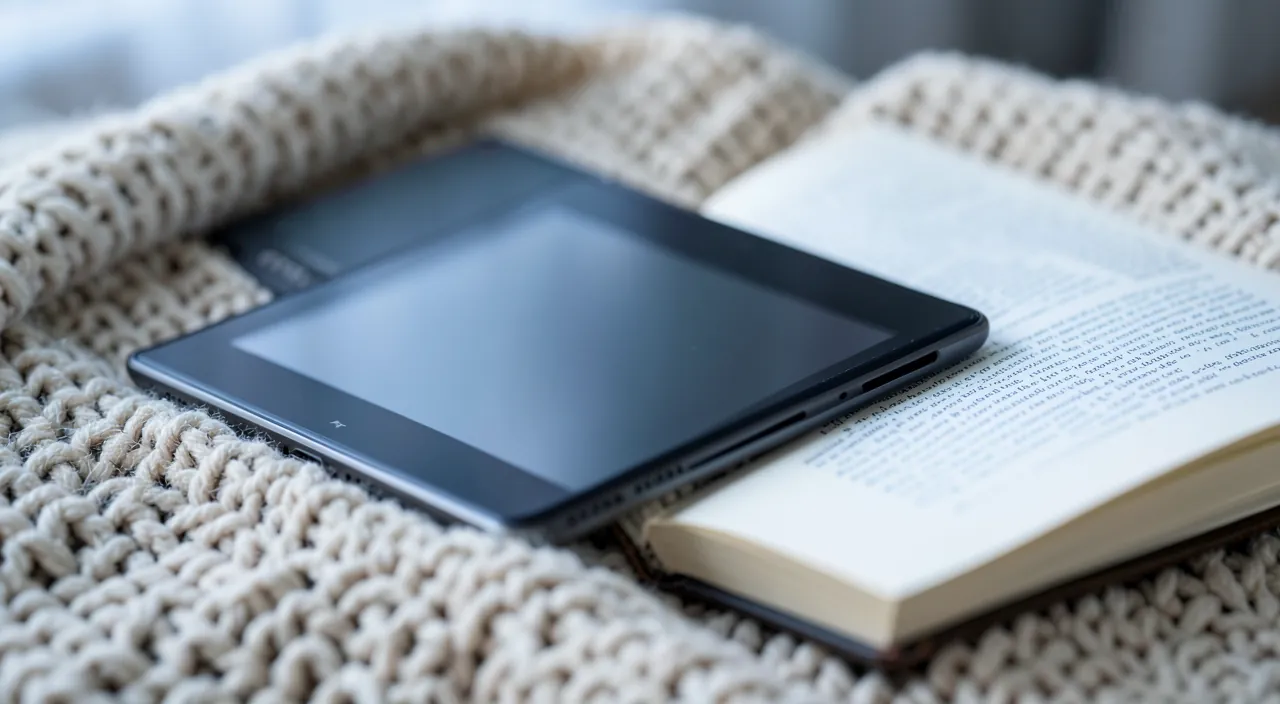
Paper: its strengths and weaknesses
The paper book still has advantages that digital doesn’t replace; let’s look at them, along with its limitations. Its greatest strength: the OBJECT: the paper book is an object you truly own, that you touch, smell, flip through, display, give, lend, keep; the sensory and emotional pleasure of the object; an irreplaceable charm for many. No TECHNICAL DEPENDENCE: a paper book always works (no battery, no breakdown, no obsolescence); you’ll read it in 50 years; total reliability; a lasting advantage. SENSORY PLEASURE: the smell, the feel of the paper, the sound of the pages, the weight of the book; a sensory experience that many cherish; the physical pleasure of reading; a real charm. REAL POSSESSION: a paper book truly belongs to you (no one can take it away, it doesn’t depend on any service); full possession; an advantage over digital (we’ll come back to it). SPATIAL REFERENCE: on paper, you physically know where you are (remaining thickness), you can easily go back; some memorize and navigate better on paper; a reading comfort. GIVING and SHARING: a paper book can be given, lent, dedicated, passed down (family library); physical sharing; a social and emotional dimension; a human plus. No SCREEN: reading on paper is screen-free time (restful, without notifications, without the temptation to do something else); a disconnection; a benefit in the age of all-screens. The BEAUTY of books: some books (beautiful editions, illustrated, carefully crafted) are magnificent objects; digital doesn’t render this; the aesthetics of the book; a pleasure. Its WEAKNESSES—BULK: paper books take up space (overflowing library), weigh a lot (when traveling); the bulk is real; a practical limitation. WEIGHT when traveling: taking multiple books on a trip is heavy and bulky; where the e-reader shines; a constraint of paper; to consider. Less ADAPTABLE: fixed text size (difficult for declining eyesight), no built-in lighting (need for light); less adaptable than the e-reader; a comfort limitation. In summary, the PAPER book keeps advantages that digital doesn’t replace: it’s an OBJECT you truly own (you touch, smell, flip through, display, give, lend, pass down), with no TECHNICAL DEPENDENCE (no battery, no breakdown, no obsolescence: you’ll read it in 50 years), with SENSORY PLEASURE (smell, feel, sound of the pages) and real, full POSSESSION (no one can take it away). It offers a good SPATIAL REFERENCE (you know where you are), can be PHYSICALLY SHARED (giving, lending, passing down—a sentimental dimension), provides SCREEN-FREE time (restful, disconnected), and some books are beautiful OBJECTS. Its WEAKNESSES: BULK and WEIGHT (a library takes up space; taking multiple books on a trip is heavy—where the e-reader shines), and less ADAPTABLE reading (fixed text size, no built-in lighting). Paper shines in the charm of the object, reliability, and sensory pleasure; it weighs more and takes up space.
Paper books are like treasures you can hold. They never need charging, you can give them to friends, and they smell amazing. But they take up space and can be heavy to carry around. They’re perfect for books you want to keep forever, like a special edition of your favorite novel.
You have a beautiful leather-bound edition of “The Count of Monte Cristo” that’s been in your family for generations. You love the feel of the pages, the smell of the old paper, and the way it looks on your bookshelf. You can lend it to a friend, and they can write their name in it. But if you’re going on a beach vacation, you might prefer to bring your e-reader with 20 other books instead of this heavy tome.
No need to pick a side: e-readers and paper complement each other perfectly depending on the situation. The « e-reader vs. paper » debate is often framed as a war where you have to pick a side—but it’s a false opposition, and the best advice is precisely to NOT choose! Many readers use BOTH, each where it excels, and gain the best of both worlds. The idea is simple: adapt the medium to the SITUATION. The e-reader shines in certain situations: while TRAVELING and on the go (hundreds of books without the weight; perfect for vacations, long trips), for BIG BOOKS (a 1,000-page tome weighs nothing), for reading IN BED or in the dark (built-in lighting, without disturbing), for « flow » READING (novels you’ll devour and may not keep), and if you need LARGER TEXT (declining eyesight). Paper shines in others: for books you want to OWN and keep (favorites, reference books, beautiful books), for GIFTING (a paper book makes a gift, not a file), for BEAUTIFUL EDITIONS (illustrated books, carefully crafted, comics, fine arts—digital doesn’t do them justice), for SCREEN-FREE reading (disconnecting, especially in the evening), and simply for the PLEASURE of the object when the mood strikes. Many readers do this: e-reader for vacations and « consumable » novels, paper for cherished books, gifts, and beautiful editions. Some even buy in paper the books they loved in digital, to keep in their library. Another complementary idea: don’t forget the LIBRARY (municipal) and digital book lending that many now offer—a cost-effective way to read on an e-reader without buying everything. Also consider SECOND-HAND for paper (used books, economical and ecological). In summary, don’t frame the question as a war: e-readers and paper COMPLEMENT each other. Reserve the e-reader for situations where it excels (travel, big books, reading in bed or in the dark, flow novels, enlarged text) and paper for those where it excels (books to keep and cherish, gifts, beautiful editions, screen-free reading, pleasure of the object). Using both, each in its place, is often the best solution—the real winner is your reading pleasure, whatever the medium.
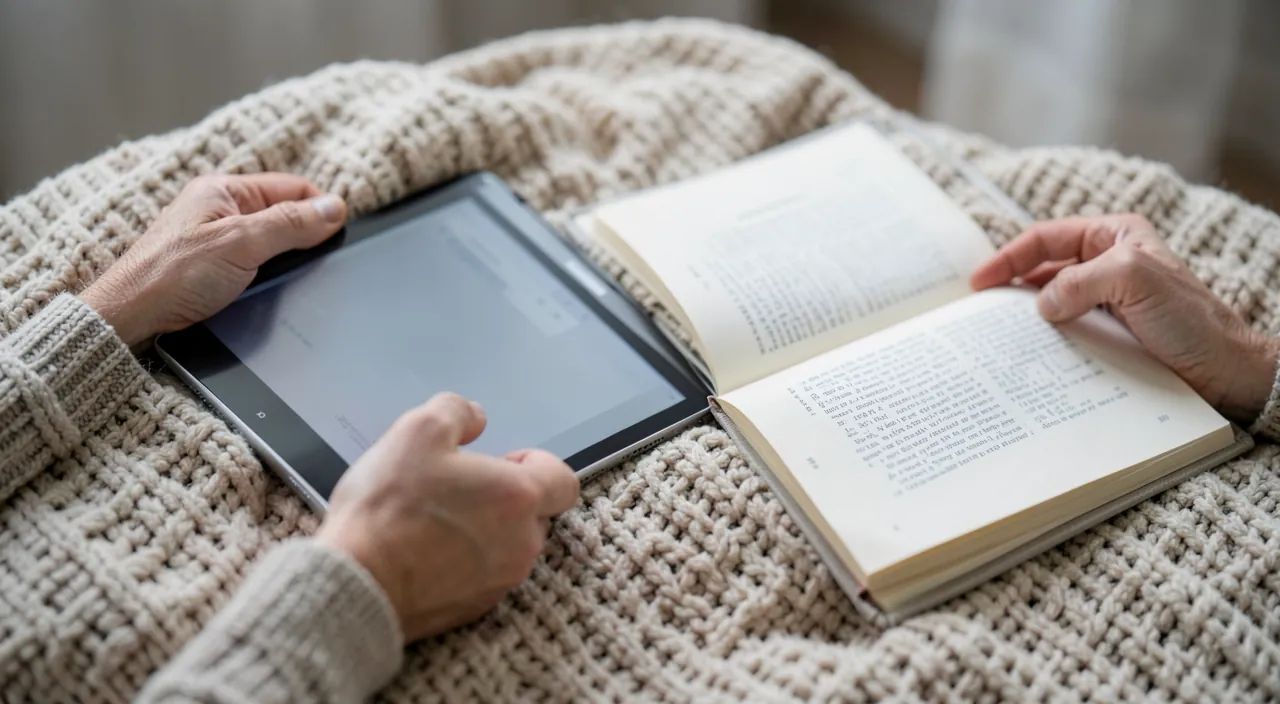
Choosing well according to your uses and tastes
Beyond complementarity, here’s how to guide YOUR reader choices. Start with YOUR uses: do you read a lot while traveling? Do you keep your books? Do you love the object? Start with your real uses to choose; there’s no universal answer; it’s personal. Heavy TRAVELING reader: if you read a lot and on the go, the e-reader is a precious ally (volume, lightweight); it will transform your reading; a strong interest for you. LOVER of the object: if you cherish the book-object, paper remains your happiness (perhaps with an e-reader for travel); follow your pleasure; paper makes sense. Occasional READER: if you read little, paper (or the library) may be enough; an e-reader is justified mainly if you read a lot; adapt to your reading volume. Eyesight PROBLEM: if your eyesight is declining, the e-reader (enlarged text, lighting) can really help you continue reading comfortably; a real benefit; consider it. Space QUESTION: if you lack space (overflowing library), the e-reader solves the bulk; a practical criterion; weigh it. The BUDGET: weigh the cost (e-reader + digital books vs. paper + second-hand + library); compare according to your reading volume; the budget counts; calculate. The MUNICIPAL LIBRARY: don’t forget libraries (paper AND digital lending); a broad and economical source; consult our guides on reading resources; take advantage. SECOND-HAND (paper): for paper, second-hand is economical and ecological; a great option; think about it; read wisely. TRY before deciding: if you’re hesitant about the e-reader, try it (borrow, test) before buying; the trial clarifies; don’t commit blindly; test. Follow your PLEASURE: ultimately, read on the medium that gives you pleasure and makes you read more; the important thing is to READ; the medium is secondary; pleasure comes first. In summary, to choose well according to your uses and tastes, start with YOUR reality as a reader: if you’re a heavy TRAVELING reader, the e-reader will be a precious ally (volume, lightweight); if you’re a LOVER of the book-object, paper remains your happiness (with perhaps an e-reader for travel); if you read OCCASIONALLY, paper or the library may be enough. Some criteria guide you: an eyesight problem argues for the e-reader (enlarged text, lighting); a lack of SPACE too (no more bulk); the BUDGET deserves a calculation (e-reader + digital books vs. paper + second-hand + library, according to your reading volume). Don’t forget the good options: the MUNICIPAL LIBRARY (which lends paper AND digital: economical and broad) and SECOND-HAND for paper (economical and ecological). And if you’re hesitant about an e-reader, TRY it before buying. Ultimately, the best medium is the one that gives you pleasure and makes you READ more: the important thing isn’t the medium, but to read—follow your pleasure.
Warning: a purchased digital book isn’t always « owned » like a paper book—and beware of confusing e-readers and tablets for reading. Two points deserve your attention before diving into digital reading, to avoid disappointments and poor choices. First point, important: the question of real POSSESSION of your digital books. When you buy a PAPER book, it fully and permanently belongs to you: no one can take it away, it doesn’t depend on any service, and you’ll be able to read, lend, or pass it down in decades. A NUMERICAL book bought on a platform is sometimes more subtle: depending on the case, you’re mainly buying a READING RIGHT linked to an account, a service, or a format, rather than a free and permanent file. Concretely, this can mean: difficulty lending or passing down the book, dependence on the service’s longevity (what happens to your library if the service closes or your account has issues?), technical protections (digital locks) that limit what you can do, and sometimes the impossibility of reading your books on another device or another ecosystem. This isn’t a reason to give up on digital—just to be AWARE: inform yourself about the conditions (do you own a file or a right? Is it transferable? Locked?), if possible favor open formats and solutions, and keep in mind that for books you truly want to OWN and pass down durably, paper offers a guarantee that digital doesn’t always match. Second point, more practical: don’t confuse E-READER and TABLET for reading. A dedicated E-READER has an electronic ink screen: restful for the eyes (close to paper), readable in full sunlight, with several weeks of battery life, and—major advantage—WITHOUT DISTRACTIONS (no notifications, messages, apps that distract you from reading). A TABLET (or phone), on the other hand, has a classic backlit screen: more tiring for the eyes in prolonged reading (especially in the evening), less readable in sunlight, with much shorter battery life, and above all full of DISTRACTIONS that hinder deep reading. If your goal is to READ (and not do a thousand things), a real e-reader offers a far superior experience to a tablet—don’t take one for the other. Finally, on screens in the evening: an e-reader (electronic ink, soft adjustable lighting) is far more suitable than a tablet for reading before bed, but if you’re sensitive, set the lighting to warm tones and moderate. In summary, two warnings: be AWARE that a purchased digital book isn’t always « owned » like paper (reading right linked to a service/format, difficulties lending and passing down, locks, dependence on the service’s longevity: inform yourself, and keep paper for what you truly want to own), and don’t CONFUSE e-reader (electronic ink, restful, distraction-free—made for reading) and tablet (classic screen, tiring, full of distractions). These two points will avoid disappointments and help you enjoy reading the most, on the medium that suits you.
Frequent questions
Does an e-reader tire the eyes like a computer screen?
No, not like a classic screen: a real e-reader uses an electronic ink screen, close to paper and restful for the eyes, very different from the backlit screen of a computer, tablet, or phone. Let’s look at the difference. A DIFFERENT screen: a dedicated e-reader has an ELECTRONIC INK screen, a technology very different from backlit screens (computer, tablet, phone); it’s not the same type of screen; hence a different comfort. Close to PAPER: electronic ink mimics the look of printed paper (contrast, absence of flickering); the eye perceives it similarly to paper; restful; a real comfort. No AGGRESSIVE backlight: unlike a classic screen that projects light into the eyes, electronic ink is read in ambient light (like paper); less aggressive; the built-in lighting, when it exists, is soft and adjustable. Comfortable LONG-TERM: you can read for hours on an e-reader without the fatigue of a computer screen; the comfort of prolonged reading is a major advantage; restful; pleasant. Different from a TABLET: beware, reading on a TABLET or phone (backlit screen) is more tiring (like a computer); it’s the real e-reader (electronic ink) that is restful; don’t confuse them. Readable in the SUN: bonus, electronic ink is readable in full sunlight (where a classic screen becomes unreadable); practical outdoors; another advantage. Lighting at NIGHT: to read in the evening, set the lighting to warm, soft tones; an e-reader is far more suitable than a tablet at bedtime; moderate if sensitive; comfortable. Recognized COMFORT: many readers find the electronic ink e-reader as restful as paper; it’s one of its great advantages; real comfort; reassuring. The ADVICE: no, a real e-reader (electronic ink) doesn’t tire the eyes like a computer screen; it’s close to paper, restful, readable in the sun; it’s the tablet/phone (classic screen) that tires, not the dedicated e-reader. In summary, no: a real e-reader doesn’t tire the eyes like a computer screen, and that’s precisely one of its great advantages. The reason is technical: a dedicated e-reader uses an ELECTRONIC INK screen, a technology very different from backlit screens (computer, tablet, phone). Electronic ink mimics the look of PRINTED PAPER (good contrast, no flickering) and is read in ambient light, like a real book—unlike a classic screen that projects light directly into your eyes. Result: you can read for hours on an e-reader without the fatigue of a computer screen, and it remains readable in full sunlight (where a classic screen becomes unreadable). Be careful, however, not to confuse: reading on a TABLET or PHONE (which have classic backlit screens) does indeed tire the eyes, like a computer—it’s the real e-reader with electronic ink that is restful. For reading in the evening, the built-in lighting of e-readers (soft and adjustable, ideally in warm tones) makes them far more suitable for bedtime than a tablet. Many readers even find the e-reader as restful as paper: if visual comfort is your concern, a dedicated e-reader is an excellent option—far better than a classic screen.
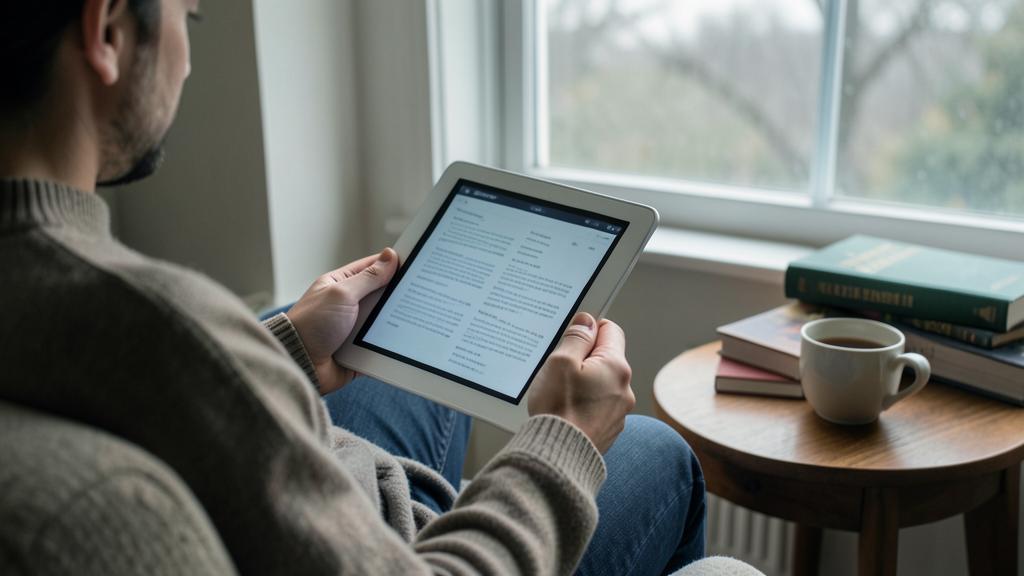
Are digital books cheaper than paper books?
Not always: digital books are sometimes cheaper, sometimes barely, and you also have to factor in the initial cost of the e-reader; but between promotions, free public domain books, second-hand paper, and libraries, there are many ways to read at a low price, on both media. Let’s see. NOT always cheaper: digital books aren’t systematically cheaper than paper; sometimes a bit, sometimes barely; don’t assume a big saving; compare case by case. The cost of the E-READER: you have to add the initial cost of the e-reader; to amortize it, you have to read a lot; factor in this initial investment; calculate according to your volume. Digital PROMOTIONS: digital often offers promotions, deals; you can find good deals; watch for promos; a source of savings. The PUBLIC DOMAIN free: many classics (public domain) are FREE in digital; a free treasure for classic lovers; an advantage of digital; take advantage. Paper SECOND-HAND: paper has second-hand (very economical used books), impossible in digital; an advantage of paper for the budget; read second-hand; economical and ecological. LIBRARIES: libraries lend paper AND digital books for free; the most economical way to read a lot; consult our guides on libraries; the best deal. According to your READING VOLUME: if you read a lot, savings (digital on sale, or library) count; if you read little, second-hand and library are enough; adapt to your volume; calculate. The real CALCULATION: compare over time (e-reader + digital books vs. new/second-hand paper + library) according to your habits; the best price depends on you; do your calculation. Reading at a LOW PRICE: whatever the medium, you can read at a low price (promos, public domain, second-hand, libraries); reading remains accessible; don’t give up on budget; read wisely. The ADVICE: digital books aren’t always cheaper (and you have to factor in the e-reader), but between promotions, free public domain, second-hand paper, and libraries, you can read at a low price on both media; do your calculation according to your reading volume. In summary, digital books are NOT always cheaper than paper: sometimes a bit cheaper, sometimes barely, and you also have to factor in the INITIAL COST of the e-reader (which you have to read a lot to amortize). The idea that « digital is cheaper » is therefore to be nuanced. That said, many ways to read at a low price exist, on BOTH media. On the digital side: FREQUENT PROMOTIONS (good deals to watch for) and especially the PUBLIC DOMAIN—countless classics are completely FREE in digital, a real treasure. On the paper side: SECOND-HAND (used books are very economical and ecological, which is impossible in digital). And for both: MUNICIPAL LIBRARIES, which lend paper AND digital books for free—the most economical way to read a lot. The real calculation therefore depends on YOU: compare over time (e-reader + digital books on one side, new or second-hand paper + library on the other) according to your reading volume. If you read a lot, an e-reader with books on sale (and free classics) can be advantageous; if you read little, second-hand paper and the library are largely sufficient. In all cases, reading remains accessible on a small budget: the essential thing is to read, and there are economical solutions on each medium.
Reading on an e-reader, does it « count » as much as reading on paper?
Yes, absolutely: what counts is READING, not the medium; the same text read on an e-reader or on paper brings you the same thing, and the best medium is the one that makes you read more and with pleasure. Let’s dispel this false debate. YES, it counts the same: reading a book on an e-reader « counts » exactly as much as on paper; it’s the same text, the same story, the same ideas; the medium doesn’t change the value of reading; rest assured. The TEXT is the same: the content of the book is identical whatever the medium; it’s the text that counts, not the paper or the screen; reading is reading; the essential is the same. A false SNOBISM: the idea that « real » reading would be on paper often comes from snobbery or nostalgia; reading is reading; don’t let yourself be guilt-tripped; the medium has no moral hierarchy. What COUNTS: what really counts is READING (learning, escaping, reflecting); the medium is a means; focus on the essential; read, simply. The best medium for YOU: the best medium is the one that makes you read MORE and with pleasure; if the e-reader makes you read more, it’s perfect for you; follow what works; your reading first. PLEASURE comes first: read on the medium that gives you pleasure; pleasure maintains the reading habit; don’t force yourself to a medium out of principle; pleasure guides. Vary according to MOOD: nothing prevents varying (paper here, e-reader there) according to mood and situation; total freedom; enjoy both; no dogma. Encourage YOUNG readers: to instill the love of reading (especially in young people), the medium doesn’t matter; if the e-reader motivates, all the better; the important thing is the love of reading; encourage without judging. The ADVICE: yes, reading on an e-reader counts as much as on paper; it’s the same text, and what counts is READING, not the medium; the best medium is the one that makes you read more and with pleasure; dispel this false debate. In summary, yes, absolutely: reading on an e-reader « counts » just as much as reading on paper—and the opposite idea is a false debate, often tinged with snobbery or nostalgia. The reason is simple: it’s the same TEXT, the same story, the same ideas, whatever the medium; a novel doesn’t become « less read » because it scrolls on an electronic ink screen rather than on paper pages. What REALLY counts is the act of READING—learning, escaping, reflecting, cultivating—and the medium is just a means, with no moral hierarchy between them. The corollary is liberating: the BEST medium is simply the one that makes you read MORE and with the most pleasure. If the practicality of the e-reader makes you read more (because you always have a book at hand, because the enlarged text eases your eyes), it’s excellent for you. If the pleasure of the paper object carries you, that’s great too. Nothing prevents you from VARYING according to mood and situation, in total freedom. And to instill the love of reading—in young people in particular—the medium doesn’t matter: if an e-reader motivates a child to devour books, it’s a great thing. So don’t let yourself be guilt-tripped by purists: the important thing has never been the paper or the screen, but the simple and beautiful act of reading.
What to remember
E-reader or paper? It’s not a war, and the best choice depends on your uses, your tastes—and often both at the same time. The E-READER (not to be confused with a tablet: it has an electronic ink screen, restful for the eyes, readable in sunlight, without distractions) shines in VOLUME (hundreds of books in a lightweight object—ideal for travel), PRACTICALITY (reading in bed, on public transport, with one hand), IMMEDIATE access to books, and adaptable COMFORT (enlarged text—precious if eyesight is declining—, adjustable lighting). Its limitations: the absence of a PHYSICAL OBJECT, TECHNICAL DEPENDENCE (battery, breakdowns), and a question of real POSSESSION. PAPER, on the other hand, offers the charm of the OBJECT you fully own (to touch, give, lend, pass down), total RELIABILITY (no battery, no obsolescence), SENSORY PLEASURE, SCREEN-FREE time, and beautiful books; its limitations are BULK, WEIGHT when traveling, and less adaptable reading. The best approach? Don’t pick a side: e-readers and paper COMPLEMENT each other. Reserve the e-reader for situations where it excels (travel, big books, reading in bed or in the dark, « flow » novels, enlarged text) and paper for those where it excels (books to keep and cherish, gifts, beautiful illustrated books, screen-free reading, pleasure of the object). To choose according to you: the heavy traveling reader will gain a lot from the e-reader; the lover of the object will stay with paper (with perhaps an e-reader for travel); declining eyesight or lack of space argue for the e-reader. Think of economical options: the MUNICIPAL LIBRARY (lending paper AND digital), SECOND-HAND for paper, digital promotions, and free public domain books—because digital books aren’t always cheaper (and you have to factor in the e-reader). Two points of vigilance: a purchased digital book isn’t always « owned » like paper (reading right linked to a service/format, difficulties lending and passing down: keep paper for what you truly want to own durably), and don’t confuse e-reader (made for reading, restful) and tablet (classic tiring screen, full of distractions). Finally, dispel the false debate: reading on an e-reader « counts » as much as on paper—it’s the same text, and what counts is READING. The best medium is the one that makes you read more and with pleasure. Follow your reading pleasure, on the medium that suits you: the real winner is your reading pleasure.
Want to understand and master the technologies that change your daily life? Our training courses will enlighten you.
Leave a Reply
You must be logged in to post a comment.