
Video streaming, music, games, software, product boxes, apps, gym memberships, online press… Today, everything is sold by SUBSCRIPTION. This model, now ubiquitous, has its advantages: you pay a little each month instead of a large sum upfront, you access services without owning them. But it creates an increasingly felt phenomenon: the « subscription fatigue. » Over time, accumulating small monthly deductions leads to paying a lot, often without realizing it: forgotten, underused subscriptions that auto-renew and nibble at the budget. Added to this is the fatigue of managing everything and the feeling of no longer truly owning anything. Taking control of your subscriptions has become a concrete issue for your wallet and peace of mind. Let’s see what this subscription fatigue is, why it costs us dearly, and how to remedy it.
Subscription fatigue: a phenomenon of our time
Let’s understand this phenomenon and why it has taken hold. Everything by SUBSCRIPTION: today, almost everything is sold by subscription—video and music streaming, games, software, apps, boxes, press, sports—the model has become ubiquitous; a widespread phenomenon. The principle of the SUBSCRIPTION: pay regularly (often each month) to access a service, rather than buying it once—a continuous access for a recurring payment—the core of the model. Its ADVANTAGES: spreading the cost (a little each month vs. a large sum), accessing a lot without owning, canceling when you want (in principle)—real advantages—the model is appealing. The FATIGUE that sets in: but over time, as you accumulate, a weariness appears—the « subscription fatigue »—too many subscriptions, too many deductions, too much to manage—a growing frustration (we’ll come back to this). The INSIDIOUS accumulation: you subscribe to one service, then another, then another—each seems inexpensive, but the total becomes heavy—the accumulation is insidious—it adds up. The DECEPTIVE small amounts: each subscription seems modest (« just a few euros »)—it’s the TOTAL of all that weighs—the small amounts deceive—beware of the total. The AUTOMATIC renewal: subscriptions renew automatically (deduction without action)—you pay without thinking, sometimes without using—the automatic process makes you pay silently—a trap (we’ll come back to this). The FORGOTTEN subscriptions: you forget subscriptions you no longer use but that keep deducting—lost money—the forgotten ones cost dearly—track them down. No longer owning anything: with subscriptions, you access without owning—some regret no longer truly owning anything (movies, music, software)—a change in the relationship with goods—to consider. A BUDGET and peace of mind issue: subscription fatigue is an issue for your wallet (it costs) and peace of mind (fatigue from managing)—taking control helps both—a real issue. The main idea: today, almost everything is sold by SUBSCRIPTION—video and music streaming, games, software, apps, product boxes, online press, gym memberships. This ubiquitous model has real ADVANTAGES (spreading the cost rather than paying a large sum upfront, accessing a lot without owning, canceling when you want). But it creates an increasingly felt phenomenon: SUBSCRIPTION FATIGUE. The mechanism is insidious: you subscribe to one service, then another, then another—each seems modest (« just a few euros »), but it’s the CUMULATIVE TOTAL that ends up weighing heavily. Added to this are AUTOMATIC renewal (you pay without thinking, sometimes without even using the service) and FORGOTTEN subscriptions (you no longer use them but they keep deducting). To this, add the fatigue of managing everything and, for some, the regret of no longer truly OWNING anything. Subscription fatigue has thus become a concrete issue, both for the budget and for peace of mind: taking control is the key.

Subscription fatigue happens when you sign up for too many services that charge you small amounts each month. These little costs add up quickly, and you might forget about some subscriptions. Before you know it, you’re paying a lot without getting much value. The key is to regularly check what you’re subscribed to and cancel what you don’t use.
Imagine you have three streaming services at €10/month, a music app at €8/month, and a fitness app at €12/month. That’s €30/month or €360/year. If you only use two of these regularly, you could save €120/year by canceling the one you don’t need.
Why subscriptions cost (more than) dearly
Let’s understand the mechanisms that make subscriptions weigh, often more than we think. The INVISIBLE total: each subscription taken individually seems small—added together, they form a monthly sum often much higher than imagined—the total surprises—do the math (we’ll come back to this). The AUTOMATIC deduction: subscriptions deduct automatically, without action or reminder—you pay « while sleeping, » without a conscious decision each month—the automatic process dulls vigilance—a key mechanism. Paying without USING: you keep paying for services you use little or no longer—the subscription deducts, whether you use it or not—wasted money—the worst case. The FORGOTTEN subscriptions: you completely forget some subscriptions (free trial turned paid, abandoned service)—they deduct in the shadows—the forgotten ones are a silent drain—track them down. The TRICKY free trials: « free trials » turn into paid subscriptions if you forget to cancel—a common trap—the free trial often commits—beware (we’ll come back to this). The PRICE increases: subscription prices increase (sometimes discreetly)—you pay more and more for the same thing, without necessarily noticing—the increases nibble away—watch out. The EASE of subscribing: subscribing is ultra-easy (one click)—canceling is sometimes less simple (intentionally complicated)—the asymmetry encourages accumulation—a imbalance. The DEPENDENCE on the service: you get used to it, you depend on the services—hard to cancel out of habit—the dependence holds you back—a brake on sorting. The feeling of owning NOTHING: you pay continuously without ever owning—when you stop, you have nothing left—a cost without capital—to measure. The RESULT: between accumulation, automatic processes, forgotten subscriptions, and price increases, you often pay MUCH more than you think for your subscriptions—that’s why it’s worth taking control—the observation that pushes you to act. In summary, subscriptions often cost us much more than we think, due to several mechanisms. The TOTAL is invisible: each subscription seems small on its own, but added together, they form a monthly sum that surprises when you finally calculate it. The AUTOMATIC deduction dulls vigilance: you pay « while sleeping, » without a conscious decision each month, even for services you USE little or no longer (the worst case: paying for nothing). Even worse, FORGOTTEN subscriptions deduct in the shadows—often former « free trials » turned paid because you didn’t cancel in time (a very common trap). Added to this are PRICE increases, often discreet (you pay more and more for the same thing), and a well-known ASYMMETRY: subscribing is ultra-easy (one click), while canceling is sometimes intentionally complicated. You get used to it, you DEPEND on the services, and you end up paying continuously without ever OWNING anything. Result: between accumulation, automatic processes, forgotten subscriptions, price increases, and dependence, the real bill for subscriptions is often much heavier than imagined—which makes it all the more useful to take control.
Do a full inventory of your subscriptions, then sort them out: it’s often a revelation (and a saving). The first step, essential and often revealing, to combat subscription fatigue is to do a FULL INVENTORY: list ALL your subscriptions, then sort them out. This simple exercise is enough for many people to discover they’re paying much more than they thought—and to make immediate savings. Here’s how to proceed. Step 1: LIST everything. Review your bank statements (from the last few months) and spot ALL recurring deductions: video streaming, music, games, software and apps (watch out for subscriptions taken via app stores, easy to forget), boxes, press, sports, cloud storage, various services… Note each with its monthly (or annual) amount. This exhaustive list is often a FIRST REVELATION: you discover forgotten subscriptions, and above all the TOTAL. Step 2: calculate the MONTHLY and ANNUAL total. Add everything up. The monthly total is already surprising—multiply it by twelve for the ANNUAL total, often the real shock (a « small » monthly subscription becomes a significant sum over the year). This figure provides immediate motivation to sort things out. Step 3: sort out, subscription by subscription. For each, ask yourself simple and honest questions: do I really USE it (and regularly)? Does it bring me enough for its price? Do I still need it? Is it a duplicate (two services that do the same thing)? Then classify: subscriptions to KEEP (used, useful, worth their price), those to CANCEL (forgotten, underused, duplicates, whose price no longer justifies the use), and those to REEVALUATE (too expensive formula, to switch to a cheaper offer). Step 4: CANCEL without delay what needs to be. Cancellation is sometimes a bit hidden in the settings, but do it right away (otherwise you postpone and keep paying). Each cancellation is an immediate and recurring saving. Tip: for services you’re not sure about, cancel—if the service really misses you, you’ll resubscribe (often, it doesn’t). In summary, do the full INVENTORY: list ALL your subscriptions (via your bank statements—don’t forget those taken in app stores), calculate the MONTHLY and especially ANNUAL total (the real shock), then do an honest SORT (keep subscriptions that are really used and useful, cancel forgotten, underused, or duplicate ones, reevaluate too expensive formulas), and CANCEL without delay. This exercise, to be repeated from time to time, is often a revelation and a source of immediate savings: it’s the most effective way to take control of your subscriptions.
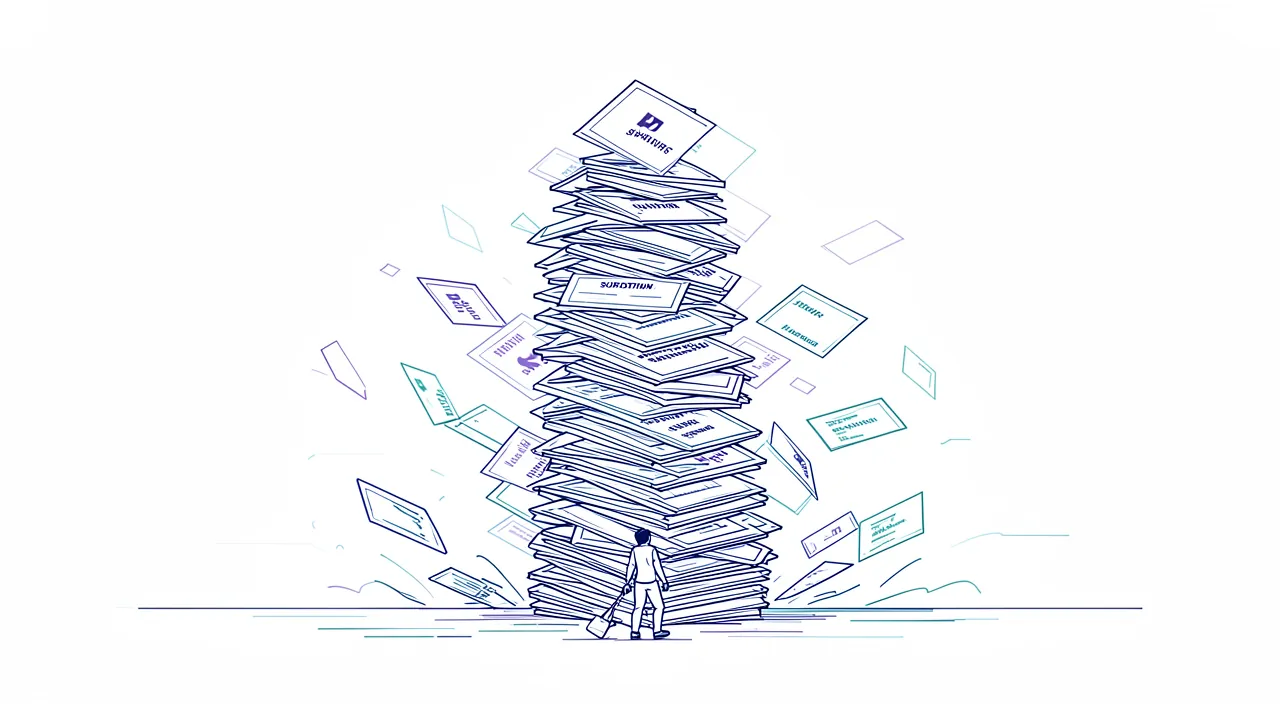
Taking control of your subscriptions
Beyond the inventory, here’s how to manage your subscriptions durably and avoid fatigue. DO the inventory regularly: review your subscriptions from time to time (not just once)—you always take new ones—a regular control—repeat the exercise. MONITOR your statements: check your bank statements regularly to spot recurring deductions (including forgotten ones)—monitoring protects—consult our guides on budget management—check. Be wary of FREE TRIALS: for a free trial, note the end date and cancel before if you don’t want to pay—or check how to cancel before committing—the free trial needs to be monitored—beware. CANCEL without guilt: cancel what you don’t use—no scruples—you’ll resubscribe if it’s missed—free yourself—dare to cut. ALTERNATE rather than accumulate: instead of accumulating several similar services, alternate (one month one, one month the other)—you cancel and resubscribe as you wish—a flexible management—alternate. SHARE when allowed: some subscriptions allow sharing (family, group offers)—sharing reduces the cost, within the service’s rules—mutualize legally—save. Choose ANNUAL if really used: for a service you’ll surely use all year, the annual subscription is often cheaper than the monthly—save in the long run—to calculate—optimize. REEVALUATE the formulas: check if a cheaper formula is enough (basic offer rather than premium)—adapt the formula to your real usage—don’t overpay—adjust. Rethink OWNERSHIP vs. subscription: for some needs, buying once (owning) is better than a lifetime subscription—weigh according to the duration of use—ownership or subscription—choose according to the case. REMAIN in control: decide on your subscriptions consciously (not by automatic process or habit)—take back the reins—you choose, not inertia—master. In summary, to durably take control of your subscriptions: do the INVENTORY regularly (you always take new ones), MONITOR your bank statements (to spot recurring deductions and forgotten ones), be wary of FREE TRIALS (note the end date, cancel in time or check how to cancel before committing), and CANCEL without guilt what you don’t use (you’ll resubscribe if it’s missed). Then optimize: ALTERNATE rather than accumulate similar services (one month one, one month the other), SHARE when the service allows (family offers), choose ANNUAL for what you’ll surely use all year (often cheaper), REEVALUATE the formulas (does a basic offer suffice?), and rethink OWNERSHIP vs. subscription (sometimes, buying once is better than a lifetime subscription: do the calculation over the duration). The principle that sums it all up: remain MASTER of your subscriptions—decide on them consciously, rather than suffering them by automatic process or habit. These actions reduce the bill AND the fatigue: you take back control of your budget and peace of mind.
Warning: beware of free trials that become paid, forgotten deductions, and discreet price increases. Three concrete traps make subscriptions cost more than we’d like: learn to outsmart them. First trap, very common: FREE TRIALS that become paid. It’s one of the most frequent mechanisms. A service offers you a « free trial » (a few days, a month)—it’s tempting, you sign up—but very often, this free trial requires you to provide payment details, and AUTOMATICALLY turns into a PAID subscription at the end of the period if you haven’t canceled in time. Many forget to cancel, and end up paying for a service they don’t use. The solution: before subscribing to a free trial, note the END DATE (set a reminder), check HOW to cancel (sometimes intentionally hard to find), and cancel BEFORE the end if you don’t plan to continue (often, you can cancel right at signup while still enjoying the trial until the end). Treat any « free trial » with payment details as a paid subscription on hold. Second trap: FORGOTTEN deductions. It’s the silent drain. Subscriptions you no longer use—or whose existence you’ve forgotten—keep deducting each month, in the shadows, sometimes for years. A service tested then abandoned, a trial turned paid, an app, a subscription taken for a one-time occasion… as many small sums that slip away without any return. The solution: REGULARLY monitor your bank statements by tracking recurring deductions, and do the inventory of your subscriptions from time to time (see above). Each forgotten subscription found and canceled is money immediately recovered. Third trap: DISCREET price increases. Subscription prices don’t stay the same forever: their rates INCREASE regularly, often discreetly (a notification quickly passed, an increase at renewal). Result: you pay more and more, sometimes for an unchanged service, without necessarily noticing—the value for the price degrades. The solution: MONITOR the amounts (your statements reveal the increases), and when a subscription increases, REEVALUATE: is it still worth its (new) price? Can you switch to a cheaper formula, alternate, or cancel? An increase is a good time to ask yourself the question. A bonus trap, the ASYMMETRY: subscribing takes one click, canceling is sometimes made complicated (hidden steps, invisible buttons). Don’t be discouraged: look for the cancellation procedure (in the account settings, the service’s help), it always exists. In summary, outsmart three traps: FREE TRIALS that become paid (note the end date, check how to cancel, cancel in time—treat them as paid subscriptions on hold), FORGOTTEN deductions (monitor your statements, do the inventory regularly: each forgotten subscription canceled is money recovered), and DISCREET price increases (monitor the amounts, reevaluate at each increase). And don’t be discouraged by intentionally complicated cancellation. These vigilances prevent you from paying, month after month, much more than you’d like.

Frequently asked questions
How do I know how much I really spend on subscriptions?
Go through your bank statements from the last few months to list all recurring deductions, then add them up: the total, especially when annualized, is often a real surprise that motivates you to sort things out. Let’s see the method. Go through the STATEMENTS: review your bank statements (several months, as some subscriptions are annual or quarterly)—statements reveal everything—start there. LIST everything: note each subscription found with its amount—streaming, music, apps, boxes, press, sports, cloud, etc.—an exhaustive list—don’t forget any. The HIDDEN subscriptions: watch out for subscriptions taken via app stores (phone), easy to forget—check these sources too—the hidden ones count—track them down. Calculate the MONTHLY total: add up all monthly amounts—the monthly total often surprises already—the real figure appears—do the sum. Especially the ANNUAL total: multiply by twelve—the ANNUAL total is often the real shock (a « small » monthly becomes a significant annual sum)—the year reveals the scale—calculate over the year. A REVELATION: this total is often a surprise (much more than estimated)—the revelation motivates action—the shock is useful—be aware. Spot the FORGOTTEN ones: the exercise reveals forgotten subscriptions (paid without using)—as many to cancel quickly—the forgotten ones stand out—track them down. Do it REGULARLY: do this calculation from time to time (you always take new subscriptions)—regular monitoring—repeat—stay up to date. Some HELP tools: some banking or budget management apps help spot recurring subscriptions—a helping hand—use them if available—make it easier. The ADVICE: to know how much you really spend, go through your bank statements (several months, as some subscriptions are quarterly or annual) and spot ALL recurring deductions. Note each with its amount—without forgetting subscriptions taken via APP STORES on your phone, particularly easy to forget. Then ADD THEM UP. The monthly total often surprises already—but the really telling step is to multiply by twelve to get the annual total: it’s generally the real shock, as a subscription at « a few euros per month » becomes a significant annual sum, and the addition of several small subscriptions quickly reaches a considerable annual amount. This figure is almost always a REVELATION (you spend much more than you estimated), and this awareness is extremely motivating to sort things out. The exercise also highlights FORGOTTEN subscriptions (paid without being used), to cancel without delay. To make it easier, some banking or budget management apps now automatically spot recurring deductions. And do this calculation from time to time: as you always take new subscriptions, regular monitoring is the best way to keep control of this often underestimated expense item.

How do I cancel a subscription I no longer use?
Go to the settings of your account on the service (often a « subscription » or « manage my subscription » section), and follow the cancellation procedure; if it’s not visible, look in the service’s help—it always exists, don’t be discouraged. Let’s see. First, DARE: don’t feel guilty about canceling what you don’t use—it’s your right and your money—you’ll resubscribe if it’s missed—dare to cut—free yourself. In the ACCOUNT settings: cancellation is usually done in the settings of your account on the service (section « subscription, » « manage my subscription, » « account »)—look there—it’s the starting point. Via the APP store: if the subscription was taken via an app store (phone), cancellation is often done in the app store’s subscription settings, not on the service—check the right source—the right place. FOLLOW the procedure: follow the cancellation steps offered—sometimes a few clicks, sometimes more (they try to keep you)—go all the way—persist. If it’s not VISIBLE: if cancellation is hidden (sometimes intentionally), look in the service’s help/FAQ (« how to cancel »)—it always exists—don’t give up—look. Don’t let yourself be RETAINED: services try to keep you (offers, « are you sure? »)—if you want to leave, go all the way—don’t be dissuaded—hold firm. VERIFY the cancellation: after cancellation, check the confirmation (email) and that deductions stop (on your statements)—make sure it’s effective—check—confirm. Watch out for COMMITMENTS: some subscriptions have a commitment period or notice—check the conditions—cancel while respecting the rules—inform yourself—anticipate. If BLOCKED: if you really can’t cancel, there are remedies (right to cancel, service contact, or framed opposition)—consult our guides on your rights—solutions exist—insist. The ADVICE: to cancel, go to the settings of your account on the service (or in the app store if the subscription was taken there), follow the cancellation procedure, look in the help if it’s not visible, don’t let yourself be retained, and verify that deductions stop—dare to cut what no longer serves you. In summary, to cancel a subscription you no longer use, start by DARING (don’t feel guilty: it’s your money, and you can always resubscribe if the service really misses you). Cancellation is usually done in the SETTINGS of your account on the service, under a section like « subscription, » « manage my subscription, » or « account. » Frequent special case: if you subscribed via an APP STORE (on your phone), cancellation is often done in the app store’s subscription settings, and not directly on the service—check the right source. Then follow the CANCELLATION procedure; if it’s not visible (some services make it intentionally discreet), look in the HELP or FAQ of the service (« how to cancel »): it always exists. Don’t let yourself be RETAINED by attempts to dissuade you (last-minute offers, « are you really sure? »)—if you want to leave, go all the way. Also watch out for possible COMMITMENTS or notice periods (check the conditions). Finally, VERIFY that the cancellation is really effective: confirmation by email, and above all, stop of deductions on your bank statements in the following months. If you’re really blocked despite everything, know that there are remedies (rights regarding cancellation). The essential: cancellation is always possible—don’t give up in the face of a complicated procedure, every unnecessary subscription cut is a recurring saving.
Is it better to buy (own) or subscribe?
It depends: subscription is interesting for what you use occasionally or that constantly renews, while buying (owning) can be more economical and secure for what you use durably; the important thing is to choose consciously according to your real usage, not by default. Let’s see. It DEPENDS on usage: there’s no one-size-fits-all answer; it all depends on the duration and frequency of use—subscription or purchase depending on the case—reason on a case-by-case basis. The SUBSCRIPTION, for what: interesting for what you use occasionally, what constantly renews (streaming catalog that changes), what you want to test—the access without owning makes sense there—flexible or temporary use. The PURCHASE, for what: buying (owning) can be more economical for what you use for a long time and regularly (pay once vs. lifetime subscription)—and you really own—durable use. The calculation on DURATION: compare the cost over the planned duration of use (subscription × number of months vs. purchase price)—over the long term, the subscription can cost more than a purchase—calculate—compare. Ownership reassures: owning means keeping even if you stop paying, not depending on a service (which can close, increase, remove content)—ownership has a security value—to weigh. The subscription, a CONTINUOUS cost: the subscription deducts as long as you keep it—over the years, it adds up—a cost without end (but up-to-date access)—measure the duration. The TRAP of « all subscription »: don’t take a subscription by default for everything—sometimes buying is smarter—question the subscription reflex—don’t suffer the model. Depending on the TYPE of product: for an evolving catalog (music, streaming movies), the subscription makes sense—for software or content you use as is for a long time, purchasing may be better—adapt to the product. Choose CONSCIOUSLY: the important thing is to choose consciously (calculation, real usage) rather than subscribing by default or habit—the thoughtful decision—master the choice. The ADVICE: it depends; the subscription suits occasional or constantly renewing usage, purchasing suits what you use durably (often more economical and secure over time)—do the calculation over the duration of use and choose consciously, without subscribing by default. In summary, should you buy or subscribe? It DEPENDS, and the right answer lies in your real usage. The SUBSCRIPTION is interesting for what you use in a PONCTUAL or temporary way, for what constantly RENEWS (a streaming catalog whose content changes permanently), or to test something: there, paying for access without owning makes sense. On the other hand, PURCHASING (owning) is often more judicious for what you use DURABLY and regularly: over the long term, a « lifetime » subscription often ends up costing much more than a one-time purchase, and ownership offers SECURITY advantages—you keep the item even if you stop paying, and you don’t depend on a service that could close, increase its prices, or remove content. The key is therefore to do the CALCULATION over the planned duration of use (subscription cost multiplied by the number of months, compared to the purchase price) and to adapt to the type of product (an evolving catalog lends itself to subscription; software or content you use as is for a long time often lends itself to purchase). Above all, beware of the « all by subscription » reflex: don’t subscribe by DEFAULT or out of habit: sometimes, buying once is much smarter and more economical. The essential is to CHOOSE CONSCIOUSLY, according to your real usage and a real calculation, rather than suffering the subscription model for everything—that’s how you keep control of your budget.
What to remember
Today, almost everything is sold by SUBSCRIPTION: video and music streaming, games, software, apps, boxes, press, sports. This model has real advantages (spreading the cost, accessing without owning), but it creates « SUBSCRIPTION FATIGUE »: over time, accumulating deductions that each seem modest, you end up paying A LOT—often without realizing it. The mechanism is insidious: the TOTAL is invisible (each subscription seems small, but the total surprises), the AUTOMATIC deduction dulls vigilance (you pay without thinking, sometimes without using), FORGOTTEN subscriptions deduct in the shadows (often former « free trials » turned paid), prices INCREASE discreetly, and subscribing is easy when canceling is sometimes complicated. The most effective action to take control: do the FULL INVENTORY. List ALL your subscriptions via your bank statements (without forgetting those taken in app stores), calculate the monthly and especially ANNUAL total (the real shock, often a revelation), then do an honest SORT (keep what you really use and that’s worth its price, cancel forgotten, underused, or duplicate ones, reevaluate too expensive formulas), and CANCEL without guilt (you’ll resubscribe if it’s missed). To manage durably: do the inventory regularly, monitor your statements, be wary of free trials (note the end date, cancel in time), alternate rather than accumulate similar services, share when allowed, choose annual for what you use all year, and rethink OWNERSHIP vs. subscription (sometimes, buying once is better than a lifetime subscription: do the calculation over the duration). Three traps to outsmart: FREE TRIALS that become paid (treat them as paid subscriptions on hold), FORGOTTEN deductions (track them in your statements: each forgotten subscription canceled is money recovered), and DISCREET price increases (reevaluate at each increase). The principle that sums it all up: remain MASTER of your subscriptions—decide on them consciously, according to your real usage, rather than suffering them by automatic process or habit. Taking control of your subscriptions is taking control of your budget AND your peace of mind: a simple, often revealing, and immediately profitable exercise.

Want to understand and master the technologies that change your daily life? Our training courses will enlighten you.
Leave a Reply
You must be logged in to post a comment.