
Sending an email, watching a video, storing photos in the cloud, chatting with an AI: our digital uses seem intangible, almost « clean. » Yet, behind the screen, digital technology has a very real ECOLOGICAL COST: manufacturing devices (resource-intensive), energy consumption of devices, networks, and especially the vast data centers that power the Internet, and electronic waste at the end of life. This cost, long invisible, is growing with the explosion of our uses. Should we feel guilty with every click? No — but being aware of this impact and adopting a few common-sense actions can make a difference, without giving up digital technology. Understanding this ecological cost, without catastrophism or denial, helps to consume digital technology more responsibly. Let’s see where this impact comes from, how to measure it, and the useful actions at our scale.
Where does the ecological cost of digital technology come from?
Let’s understand the real sources of the ecological impact of digital technology, often invisible. An INVISIBLE impact: our digital uses seem intangible, « clean »; yet they have a real ecological impact, just not very visible; the first step is to be aware of it; the invisible exists. The MANUFACTURING of devices: manufacturing our devices (phones, computers, connected objects) consumes a lot of resources, materials, and energy; this manufacturing is a MAJOR source; producing costs the planet dearly (we’ll come back to this). The ENERGY of devices: using our devices consumes electricity; at the scale of billions of devices, this matters; usage has an energy cost; real. NETWORKS: transmitting data (Internet, mobile networks, Wi-Fi) consumes energy; the infrastructures that carry our data have a cost; data transport weighs; invisible but real. DATA CENTERS: the Internet relies on vast data centers (servers) that store and process our data, run continuously, and consume enormous amounts of energy (and cooling); a major source; the « cloud » is very physical (we’ll come back to this). The CLOUD is physical: the « cloud » (cloud) has nothing intangible about it; these are very real servers, in buildings, consuming energy; the cloud has a footprint; don’t be fooled. ELECTRONIC WASTE: at the end of their life, devices become electronic waste (hard to recycle, polluting if poorly treated); a source of impact; the end of life matters; a challenge. The explosion of USES: the impact grows with the explosion of our uses (video, cloud, AI, connected objects, device renewal); the more we use, the more the impact grows; an upward trend; vigilance. VIDEO, resource-intensive: video streaming (watching videos online) represents a significant portion of traffic and impact; video is particularly resource-intensive; a major item; to know. AI too: AI (especially generative AI) consumes a lot of energy (training, usage); an impact growing with their rise; a new item; to monitor. A GLOBAL cost: between manufacturing, usage, networks, data centers, and waste, digital technology has a significant and growing global ecological cost; a real impact at the global scale; to take seriously. The key idea: our digital uses SEEM intangible and « clean, » but digital technology has a very real ecological cost, simply INVISIBLE. This cost comes from several sources. The MANUFACTURING of devices (phones, computers, connected objects) is resource-intensive in terms of materials and energy — a major source. USAGE consumes electricity (at the scale of billions of devices, this matters), as do NETWORKS that transport data. Above all, the Internet relies on vast DATA CENTERS (servers) that run continuously and consume enormous amounts of energy: the « cloud » has nothing intangible about it, these are very physical servers. Finally, ELECTRONIC WASTE at the end of life is hard to recycle and polluting. This impact GROWS with the explosion of our uses — VIDEO streaming (particularly resource-intensive), the cloud, AI (very energy-intensive), connected objects, rapid device renewal. The global ecological cost of digital technology is therefore significant and growing: the first step is to be aware of it.
Digital technology isn’t as clean as it seems. Making devices, running data centers, and throwing away old tech all hurt the planet. The more we use things like video streaming and AI, the worse it gets. But we don’t need to stop using tech – just be smarter about it.
A single hour of streaming 4K video on Netflix can use as much energy as running a 60-watt light bulb for 10 hours. That’s because high-quality video needs more processing power in data centers, which consume huge amounts of electricity.
Measuring the impact: without catastrophism or denial
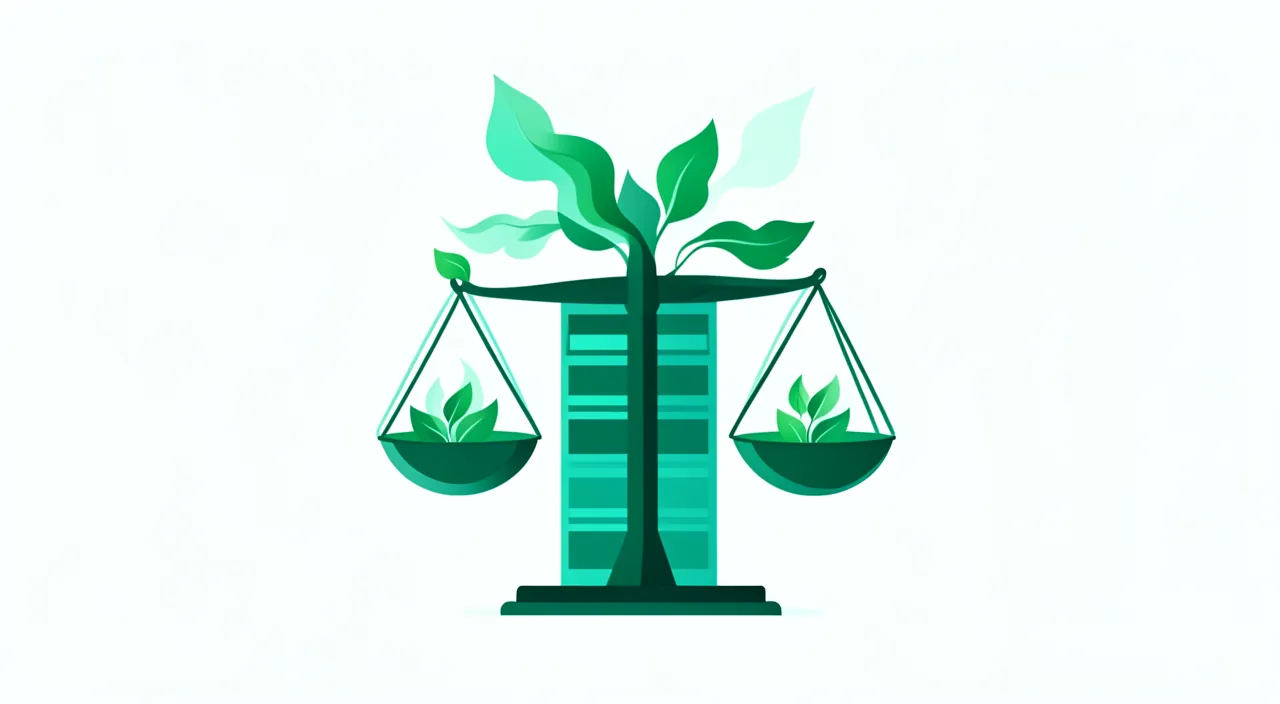
Let’s assess the real scale of this impact with discernment, without exaggerating or minimizing. A REAL impact: the ecological cost of digital technology is very real and significant at the global scale; this is not a myth; let’s take it seriously; a fact. But to RELATIVIZE by usage: at the scale of a single email or search, the individual impact is minimal; it’s the CUMULATIVE impact at the global scale that matters; neither dramatize each click nor deny the total; nuance. No CATASTROPHISM: no need to feel guilty with every email (the individual impact is negligible); catastrophism paralyzes without helping; keep the measure; serenely. No DENIAL: but don’t deny the global impact (growing, significant); denial prevents action; acknowledge reality; lucidity. The weight of MANUFACTURING: for many devices, most of the impact comes from MANUFACTURING (not usage); hence the importance of keeping devices for a long time (we’ll come back to this); a key point; to remember. The weight of VIDEO: video streaming weighs heavily in traffic and impact; an item on which taking action makes sense; video matters; target the effective. The big ITEMS: it’s better to target the big items (device manufacturing, video, heavy usage) than to focus on the negligible (an email); act on the effective; prioritize; common sense. Avoid FALSE information: beware of exaggerated or approximate figures that circulate; keep a critical mind about data; consult our guides on critical thinking; verify. A growing ISSUE: the impact grows with uses (video, AI, cloud, connected objects); the trend justifies paying attention now; anticipate; vigilance. Act USEFULLY: the idea is not to give up digital technology, but to act usefully on the big items, through common-sense actions; effectiveness rather than guilt; act justly. The right MINDSET: be aware, without dramatizing or denying, and act on what really matters; ecological discernment; balance; lucid and active. In summary, we must measure the ecological cost of digital technology with DISCERNMENT, without catastrophism or denial. The impact is REAL and significant at the global scale (this is not a myth), but it must be RELATIVIZED by usage: at the scale of a single email or search, the individual impact is negligible; it’s the GLOBAL CUMULATIVE impact that matters. No need to feel guilty with every click (catastrophism paralyzes without helping), but it’s just as false to deny the growing global impact (denial prevents action). A key point to remember: for many devices, most of the impact comes from MANUFACTURING, not usage — hence the importance of keeping devices for a long time. Similarly, VIDEO streaming weighs particularly heavily. The right approach is therefore to TARGET the big items (device manufacturing, video, heavy usage, AI) rather than focusing on the negligible, while keeping a critical mind about the sometimes exaggerated figures that circulate. The idea is not to give up digital technology, but to ACT USEULLY on what matters, through common-sense actions: be aware without dramatizing, and act where it’s effective.
The most effective action: keep your devices for as long as possible, as most of the impact comes from their manufacturing. If you had to remember only ONE action to reduce your digital impact, this would be it: KEEP your devices FOR AS LONG AS POSSIBLE. This is by far the most effective action, and here’s why. For most digital devices (phones, computers, tablets), most of the ecological impact occurs during their MANUFACTURING, not during their use. Manufacturing a smartphone or a computer requires a huge amount of resources, materials (some of which are rare or problematic), energy, and water — far more than the device will consume in electricity during its entire life. Direct and crucial consequence: the best way to reduce the impact of a device is to DELAY its manufacturing and replacement, i.e., to keep the one you already have for a long time. A phone kept for 4 or 5 years instead of 2 has, on its own, a much smaller impact. In concrete terms, this means: don’t change your device just because of a desire for novelty (if yours works, keep it); MAINTAIN your devices so they last (preserve the battery, protect them); REPAIR rather than replace when possible (a replaced battery, a repaired screen extend the life of a device and avoid manufacturing a new one); and when buying, PREFER durable and repairable devices. A second very effective action, in the same logic: RECONDITIONED and SECOND-HAND. Buying a reconditioned (refurbished) device rather than a new one avoids manufacturing: this is one of the most effective actions, often economical as well. And at the end of life, give, resell, or RECYCLE your devices properly (never in the trash: recycling center, collection points) so they can have a second life or their materials can be recovered. A third action, on usage: moderate the most RESOURCE-INTENSIVE uses, especially VIDEO streaming (the heaviest item); for example, video quality adapted to the screen (no need for very high definition on a small screen), download rather than stream in a loop what you watch often, or listen to music without video. Also, do some CLEANUP in the CLOUD (unnecessarily stored data consume energy: delete what is not useful). In summary, the number one action is to KEEP your devices for a long time (most of the impact comes from their manufacturing: don’t change for novelty, maintain, repair, buy durable), complemented by RECONDITIONED and second-hand (when buying and at the end of life: reconditioned, donation, resale, recycling), and by moderating the most RESOURCE-INTENSIVE uses (especially video: adapted quality; and cleanup in the cloud). These actions, focused on the big items, have a real impact — far more than feeling guilty about an email — and require no renunciation of digital technology: just common sense.

Useful actions at our scale
Here are the concrete actions for more responsible digital technology, in order of effectiveness. KEEP your devices for a long time: action #1; the impact mainly comes from manufacturing; don’t change for novelty, maintain, make them last; the most effective; priority. REPAIR rather than replace: repair (battery, screen) to extend; avoid manufacturing a new device; consult our guides on repair; repair. Buy RECONDITIONED: prefer reconditioned/second-hand when buying; avoids manufacturing, also economical; a very effective action; buy wisely. RECYCLE at the end of life: give, resell, or recycle your devices (never in the trash); second life or recovered materials; recycle properly; a duty. Moderate VIDEO: video streaming is the heaviest item; quality adapted to the screen, download what you watch often, music without video; target the effective; moderate. Do CLEANUP in the cloud: delete unnecessarily stored data (duplicate photos, forgotten files); unnecessary storage consumes; lighten; useful cleanup. Limit DEVICES: don’t accumulate unnecessary devices and connected objects; each device has a manufacturing cost; the essential is enough; sobriety. Turn off the UNNECESSARY: turn off what is not used (devices on standby, box at night if possible); small energy savings; a simple action; turn off. REASONABLE use of AI: AI consumes; use it usefully, without wasting on repeated trivialities; a reasonable use; awareness. Be AWARE: the first action is awareness (digital technology has an impact); it guides more responsible choices; awareness leads to action; inform yourself. Without GUILT: act on the big items, without feeling guilty about the negligible; effectiveness and common sense, not guilt; act serenely; balance. In summary, at our scale, useful actions exist, in order of EFFECTIVENESS. The most effective concern DEVICES (whose manufacturing is the main impact): KEEP them for a long time (action #1: don’t change for novelty, maintain, make them last), REPAIR rather than replace, buy RECONDITIONED or second-hand (avoids manufacturing), and RECYCLE properly at the end of life (donation, resale, recycling center — never the trash), without ACCUMULATING unnecessary devices and connected objects. Then come USES: moderate VIDEO streaming (the heaviest item: quality adapted to the screen, download what you watch often, music without video), do CLEANUP in the cloud (delete unnecessarily stored data), TURN OFF what is not used (standby, box at night), and use AI REASONABLY (useful, without wasting). The first action of all remains AWARENESS, which guides more responsible choices. And all this WITHOUT feeling guilty about the negligible: the idea is to act effectively on the big items, with common sense, not to flagellate yourself with every click. These actions really reduce your digital impact, without requiring you to give up digital technology.
Warning: the real lever is the manufacturing of devices (not email), the « cloud » has nothing intangible about it, and beware of exaggerated figures. Three misconceptions deserve to be corrected to act justly on the ecological impact of digital technology. First clarification: the real lever is the MANUFACTURING of devices, NOT email or search. We often read and hear advice like « delete your emails to save the planet. » Now, while it’s not false that an email has a (negligible) cost, focusing on this kind of action is largely DISPROPORTIONATE: the impact of an individual email is negligible, and deleting your emails changes almost nothing at the scale of your footprint. Meanwhile, the REAL lever — by far the most important — is elsewhere: in the MANUFACTURING and RENEWAL of your devices. Keeping your phone for two more years has an impact incomparably greater than years of « cleanup » in your mailbox. Don’t let yourself be distracted by negligible symbolic actions: focus your energy on what really matters (keep, repair, buy reconditioned). Second clarification: the « CLOUD » has NOTHING intangible about it. The vocabulary is misleading: we talk about « cloud, » « dematerialized » data, as if all this floated without physical reality. This is an illusion. The cloud consists of vast DATA CENTERS that are very real: buildings filled with servers that run 24/7, consume enormous amounts of electricity, and need to be cooled continuously. Every photo stored « in the cloud, » every streaming video, every query to an AI uses these physical servers and the energy that powers them. Being aware that digital technology is VERY material (devices + networks + data centers) is essential to understand its impact and act (do cleanup on what you store unnecessarily, moderate heavy usage). Third clarification: beware of EXAGGERATED or approximate figures. The subject of digital technology and ecology generates a lot of figures that circulate — sometimes spectacular, often approximate, exaggerated, or taken out of context (striking but questionable comparisons, estimates that vary greatly depending on methods). Keep your critical mind: the impact of digital technology is real and significant, which is enough to justify action, but not all alarming figures are equal. Don’t relay any shocking statistic, and rely on serious sources. This caution avoids two pitfalls: catastrophism (based on inflated figures) and, in reaction, denial (when you discover that a figure was false, you risk dismissing everything). In summary, three vigilances to act justly: the real lever is the MANUFACTURING of devices (keep them for a long time; don’t focus on email, a negligible and disproportionate action), the CLOUD is well PHYSICAL (very energy-intensive data centers; digital technology has nothing intangible about it), and beware of EXAGGERATED figures (keep a critical mind: the impact is real, but not all shocking figures are reliable). Correcting these misconceptions allows you to act effectively — on what really matters — rather than dispersing yourself on symbolic actions or giving in to catastrophism and denial.
Frequent questions
Should we really feel guilty about sending emails or watching videos?
No guilt for an email (negligible impact), but video is a real item on which simple actions help; the idea is not to feel guilty with every click, but to act with common sense on the uses that really matter. Let’s see the nuance. No guilt for EMAIL: the impact of an individual email is negligible; feeling guilty with every send makes no sense; focusing on it is disproportionate; don’t feel guilty about it; serenely. VIDEO, a real item: video streaming, on the other hand, is a heavy item (a large part of traffic); there, simple actions make real sense; target the effective; video matters. Neither guilt nor DENIAL: neither flagellate yourself with every click nor deny the global impact; the right attitude is to act on what matters, serenely; discernment; balance. Simple VIDEO actions: for video; quality adapted to the screen (no very high definition on a small screen), download what you watch often, listen to music without video; effective actions; moderate without giving up. The real LEVER elsewhere: let’s recall that the biggest lever remains devices (manufacturing); keeping your phone for a long time weighs far more than cleaning up emails; prioritize the real lever; the essential. Act USEFULLY: the idea is to act usefully (big items) rather than symbolically (email); effectiveness, not guilt; act justly; common sense. PLEASURE remains allowed: watching videos, communicating; digital technology has value; the idea is not to give up pleasure but to moderate excesses; enjoy with measure. MEASURE rather than extremes: moderation (reasonable video quality, no waste) is enough; no need for digital asceticism; measure; balance. The ADVICE: no guilt for an email (negligible impact), but video is a real item where simple actions help (adapted quality, downloading, music without video); act with common sense on what matters (especially keeping your devices for a long time), without feeling guilty with every click. In summary, no, you should not feel guilty about sending an EMAIL: its individual impact is negligible, and focusing on it is disproportionate (deleting your emails changes almost nothing to your real footprint). On the other hand, VIDEO streaming is a real item: it represents a significant portion of traffic and impact, and that’s where simple actions make sense — choosing a quality adapted to the screen (no need for very high definition on a small screen), downloading what you watch often rather than streaming it in a loop, or listening to music without video. The right attitude is therefore neither GUILT with every click (catastrophism paralyzes and often targets the negligible), nor DENIAL (denying the global impact), but to ACT WITH COMMON SENSE on what really matters. And don’t forget the real lever, far more important than video itself: DEVICES. Keeping your phone or computer for a long time has an impact incomparably greater than all the actions on emails and streaming combined. In short: continue to enjoy digital technology (it has value), simply moderate the most resource-intensive uses, and focus your efforts on the essential (keeping your devices for a long time) rather than on symbolic actions. Measure and common sense, not guilt or asceticism.
Does the « cloud » really have an ecological impact?
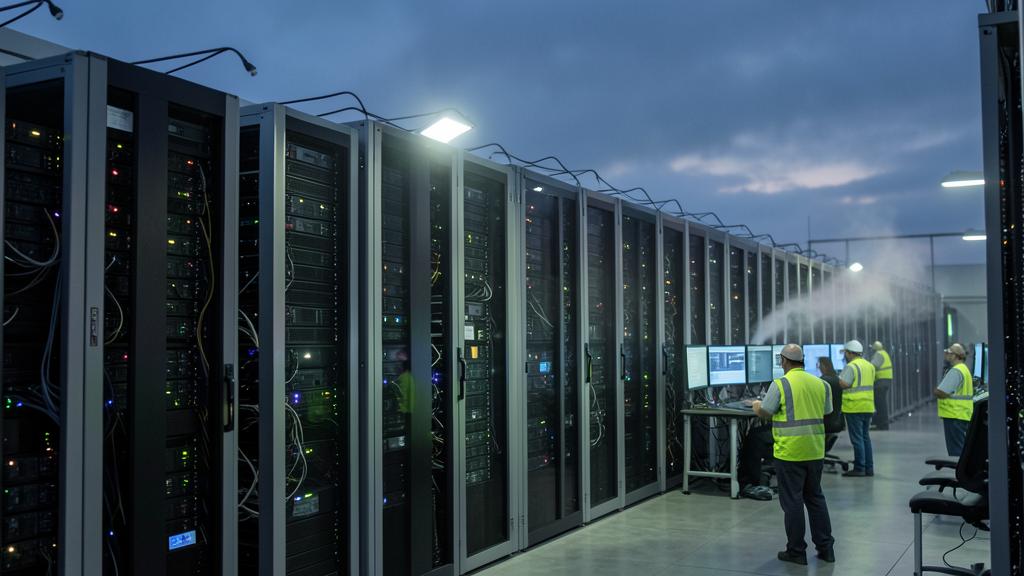
Yes, very real: the « cloud » has nothing intangible about it, these are vast data centers (physical servers) that consume enormous amounts of energy; storing and processing data online therefore has a concrete ecological cost. Let’s see. YES, a real impact: the cloud has a very real ecological impact; despite its ethereal name, it has nothing intangible about it; a concrete impact; to understand. DATA CENTERS: the « cloud » consists of vast data centers; buildings filled with very physical servers; the cloud is very material; don’t be fooled. ENORMOUS consumption: these centers run 24/7, consume enormous amounts of electricity, and must be cooled (more energy); a major consumption; a heavy item; real. Each STORED data: each photo, file, video « in the cloud » is stored on these physical servers, consuming energy as long as it remains; storage has a continuous cost; material. MISLEADING vocabulary: « cloud, » « dematerialized »; the vocabulary gives an illusion of intangibility; it’s misleading; digital technology is very physical; correct the misconception. The action: do CLEANUP: deleting unnecessarily stored data (duplicates, forgotten files) reduces a bit the load; useful cleanup; lighten the cloud; an action. Don’t STORE everything: avoid storing and keeping indefinitely « just in case »; storage has a cost; keep the useful; digital sobriety. A GROWING impact: with the explosion of storage, streaming, AI, the impact of data centers grows; an upward trend; hence the interest in being aware; vigilance. No PARANOIA: no panic; the cloud has useful uses (backup!); the idea is a conscious use (not wasting storage), not to give up; measure; balance. The ADVICE: yes, the cloud has a real ecological impact; these are vast very energy-intensive physical data centers; the cloud has nothing intangible about it; do cleanup on what you store unnecessarily and keep a conscious use, without giving up useful uses. In summary, yes, the « cloud » has a very real ecological impact, and this is an important misconception to correct: despite its ethereal name and the misleading vocabulary of « dematerialization, » the cloud has NOTHING intangible. Concretely, these are vast DATA CENTERS: very physical buildings, filled with servers that run 24 hours a day, consume enormous amounts of electricity, and must also be cooled continuously (which consumes even more energy). Each photo, each file, each video you store « in the cloud » actually resides on these physical servers and consumes energy as long as it remains there; similarly, each streaming video and each AI query uses these infrastructures. This impact is also GROWING, with the explosion of storage, streaming, and AI. What to do? CONSCIOUS use: do CLEANUP on what you store unnecessarily (duplicate photos, forgotten files that you keep « just in case »), and avoid accumulating indefinitely. However, be careful: it’s not about giving up the cloud, which has precious uses (backing up your important data, for example, is still highly recommended!) — but about having a REASONABLE use, without wasting storage. The essential is above all to understand that digital technology as a whole (devices, networks, and these famous data centers) is very MATERIAL: this awareness is the key to acting with discernment.

What is the most effective action to reduce my digital impact?
Without hesitation: keep your devices for as long as possible (and buy reconditioned), as most of the impact comes from the manufacturing of devices; this is far more effective than all the small actions on emails or storage. Let’s see why. The #1 action: KEEP your devices for a long time: without hesitation, this is the most effective action; most of the impact comes from manufacturing; making devices last reduces the most; absolute priority. Because MANUFACTURING dominates: for most devices, manufacturing (resources, materials, energy) weighs far more than usage; delaying manufacturing and replacement is THE lever; act there. Don’t CHANGE for novelty: don’t change your device just because of a desire for novelty; if yours works, keep it; each avoided device is a manufacturing avoided; resist novelty. MAINTAIN and repair: maintain (battery, protection) and repair rather than replace; extending the life of a device avoids manufacturing a new one; repair; consult our guides on repair. Buy RECONDITIONED: when buying, prefer reconditioned/second-hand; this avoids manufacturing (the biggest impact); very effective and economical; buy wisely. Far more effective than the REST: this action (keep/reconditioned) is far more effective than all the small actions (emails, storage); focus on it; the essential rather than the symbolic; prioritize. RECYCLE at the end of life: complete with proper recycling (donation, resale, recycling center; never the trash); second life and material recovery; close the loop; recycle. Limit ACCUMULATION: don’t accumulate unnecessary devices and connected objects; each device has a manufacturing cost; material sobriety; the essential is enough. Then, VIDEO: as a second lever, moderate video streaming (heavy item); after devices, this is the next useful action; then target video; in order of effectiveness. The ADVICE: the most effective action is to keep your devices for as long as possible (maintain, repair, don’t change for novelty) and to buy reconditioned, as the impact mainly comes from manufacturing; this is far more effective than small actions; then, moderate video, and recycle at the end of life. In summary, the most effective action, without hesitation, is to KEEP your devices for as LONG as possible — and, when buying, to prefer RECONDITIONED or second-hand. The reason is decisive: for most digital devices, most of the ecological impact occurs during their MANUFACTURING (very resource-intensive in terms of materials and energy), and not during their usage. The best way to reduce your impact is therefore to DELAY the manufacturing and replacement of devices. Concretely: don’t change your phone or computer just because of a desire for novelty (if yours works, keep it); MAINTAIN your devices so they last; REPAIR rather than replace (a replaced battery or screen extends the life of the device and avoids manufacturing a new one); buy RECONDITIONED (which avoids manufacturing, while often being economical); don’t accumulate unnecessary devices; and at the end of life, RECYCLE properly (donation, resale, recycling center: never the trash). This action is FAR MORE effective than all the small actions on emails or storage, which are largely symbolic compared to this: keeping your phone for two more years weighs infinitely more than years of « cleanup » in your mailbox. As a second lever, once this reflex is acquired, comes the moderation of the most resource-intensive uses, especially VIDEO streaming. But remember above all the essential: to reduce your digital impact, make your devices LAST. This is the king action — effective, economical, and with no renunciation of digital technology.
What to remember
Our digital uses seem intangible, but digital technology has a very real ECOLOGICAL COST, simply invisible. It comes from several sources: the MANUFACTURING of devices (phones, computers, connected objects — resource-intensive, a major source), the ENERGY of devices and NETWORKS, and above all the vast DATA CENTERS that power the Internet (the « cloud » has nothing intangible about it: these are very physical, very energy-intensive servers), not to mention ELECTRONIC WASTE. This impact GROWS with the explosion of uses — video streaming (particularly heavy), cloud, AI, rapid device renewal. It must be approached with DISCERNMENT, without catastrophism or denial: the global impact is real and significant, but at the scale of an email it is negligible — it’s the global cumulative impact that matters. The key point: for most devices, most of the impact comes from MANUFACTURING, not usage. Hence THE most effective action, by far: KEEP your devices for a long time (don’t change for novelty, maintain, REPAIR rather than replace), buy RECONDITIONED or second-hand (which avoids manufacturing), don’t accumulate unnecessary devices, and RECYCLE properly at the end of life (donation, resale, recycling center — never the trash). This action weighs infinitely more than all the small symbolic actions on emails. As a second lever, moderate the RESOURCE-INTENSIVE uses, especially VIDEO streaming (quality adapted to the screen, downloading what you watch often, music without video), do CLEANUP in the cloud (delete unnecessary storage), and turn off what is not used. Three misconceptions to correct: the real lever is the MANUFACTURING of devices (not email, a negligible and disproportionate action), the CLOUD is well PHYSICAL (very energy-intensive data centers), and beware of EXAGGERATED figures (keep a critical mind: the impact is real, but not all shocking figures are reliable). In short, digital technology has a real ecological cost that must neither be denied nor dramatized: the idea is not to give up digital technology nor to feel guilty with every click, but to be AWARE and act with common sense on what really matters — first and foremost, making your devices LAST. A more responsible digital technology is within our reach, without asceticism: just discernment and a few effective actions.



Want to understand and master the technologies that change your daily life? Our training programs will enlighten you.
Leave a Reply
You must be logged in to post a comment.