
Unlocking your phone with a glance or a finger, paying with your fingerprint, passing airport security with facial recognition: BIOMETRICS — identification using physical characteristics (fingerprint, face, iris, voice) — has slipped into our daily lives. Practical and fast, it increasingly replaces passwords and codes. But it also raises questions: are our biometric data protected? What happens if they are stolen? Between convenience and vigilance, let’s take stock of biometrics in everyday life: its uses, its advantages, and the precautions to know.
Biometrics: what is it?
Let’s understand what biometrics is and where we encounter it. The DEFINITION: biometrics consists of identifying or authenticating a person using their PHYSICAL or behavioral characteristics, unique to them; the most common ones: the FINGERPRINT, the FACE (facial recognition), and others like the IRIS of the eye, the VOICE, or even the way of moving; the idea: « you are your password » — instead of remembering a code, it’s your body that identifies you. Where we ENCOUNTER it in daily life: UNLOCKING devices (phone, computer, tablet: by fingerprint or facial recognition — very common, replacing the code); PAYMENT (validating a payment by fingerprint or face — our guides on mobile payment); ACCESS to applications (confirming identity in a banking app, a password manager, via biometrics); CONTROLS at borders/airports (facial recognition, fingerprints); certain PHYSICAL ACCESS (buildings, secure facilities); and increasingly more uses. How it WORKS: when setting up, the device RECORDS your characteristic (a « fingerprint » of your finger or face); then, when you present yourself, it COMPARES and recognizes (or not); on personal devices, this data is generally stored in a SECURE and local way (in the device, encrypted), not sent anywhere (important point — we’ll come back to it). Why this BOOM: biometrics is PRACTICAL (no code to remember or type: a finger, a glance is enough), FAST, and often perceived as SECURE (your fingerprint/face is unique to you); it has become widespread on devices, replacing or complementing passwords and codes. The ADVANTAGES: convenience (unlocking/paying/identifying instantly), enhanced security (hard to imitate your fingerprint/face; combined with other protections), the end of the hassle of codes. The QUESTIONS raised: are our biometric data well PROTECTED? what happens if they LEAK (you can’t « change » your fingerprint like a password!)? which uses (especially mass facial recognition) raise questions about PRIVACY and freedoms? these issues call for vigilance (we’ll come back to it). What to remember for starters: biometrics identifies a person by their physical characteristics (fingerprint, face, iris, voice); it has become part of daily life (unlocking, payment, app access, controls); it is practical, fast, and often secure, replacing codes; but it raises questions (data protection, impossibility of « changing » your fingerprint, privacy); between convenience and vigilance, let’s see how to approach it.
Biometrics uses your body (fingerprint, face, etc.) to identify you. It’s convenient because you don’t need to remember passwords, but if someone steals your biometric data, you can’t change it like a password. On your phone, it’s usually safe because the data stays locked in your device. But be careful with companies that store your biometrics in their databases—if they get hacked, your data could be exposed forever.
Imagine you use facial recognition to unlock your iPhone. When you set it up, your phone takes a secure “map” of your face and stores it in an encrypted part of the device. This data never leaves your phone. If someone tries to steal it, they can’t use it to unlock another device because it’s tied to your specific iPhone. But if a bank asks for your fingerprint to open an account and their database gets hacked, your fingerprint data could be stolen forever.

The advantages: convenience and security
Biometrics brings real benefits to daily life; let’s see them. CONVENIENCE: this is the most obvious advantage; no need to remember or type a code every time; a finger on the sensor, a glance at the device, and it’s unlocked, validated, identified; instantaneous and effortless; no more hassle of entering your code dozens of times a day; it’s smooth and pleasant. SPEED: biometrics is almost instantaneous; unlocking your phone, validating a payment, accessing an app takes a fraction of a second. SECURITY (very real on personal devices): contrary to a common misconception, biometrics often ENHANCES security; your fingerprint or face are UNIQUE to you and hard to imitate; a code can be seen, guessed, or found (a birth date, « 1234 »); your fingerprint, no; on personal devices, biometrics is therefore generally SAFER than a simple code, while being more practical; it’s a good security/convenience compromise. The combination with other protections: biometrics is often added to a backup code (in case of recognition failure); it can be part of multi-factor authentication, enhancing the security of your accounts. ACCESSIBILITY: for some people (difficulty remembering or typing a code, memorizing passwords), biometrics makes it easier to access their devices and services; a real plus for autonomy. SECURE storage (reassuring point): on personal devices (phone, computer), your biometric data (fingerprint, face) is generally stored in a SECURE and LOCAL way — in a protected and encrypted area of the device — and is NOT transmitted to servers or shared; it’s not « a photo of your face » that circulates, but a secure mathematical representation; this limits risks; this is an important point that reassures about personal device usage. The end of WEAK PASSWORDS: by replacing code entry, biometrics avoids weak and reused passwords; combined with a password manager (which you unlock via biometrics), it facilitates good security hygiene (our guides on managing passwords). In summary, the advantages of biometrics: CONVENIENCE (no code to remember/type: a finger, a glance), SPEED (instantaneous), SECURITY often enhanced on personal devices (fingerprint/face hard to imitate, safer than a simple code), secure and local storage of data (on personal device), ACCESSIBILITY, and the end of weak passwords; it’s a good compromise between practicality and security for personal use; but this comes with precautions and issues to be aware of, especially for other uses (see further).
- CONVENIENCE: No need to remember or type a code; just a finger or glance.
- SPEED: Unlocking or validating takes a fraction of a second.
- SECURITY: Harder to imitate than a simple code (unique to you).
- ACCESSIBILITY: Easier for people who struggle with passwords.
- SECURE STORAGE: Data stays encrypted on your device, not shared.
- END OF WEAK PASSWORDS: Replaces easily guessable codes.
On your personal devices: biometrics is practical AND often safer than a code. For the most common use — unlocking your phone, computer, validating a payment, accessing an app — biometrics (fingerprint, facial recognition) is both very PRACTICAL and often SAFER than a code, provided you understand why and keep a few reflexes. Why it’s PRACTICAL: no need to remember or type a code dozens of times a day; a finger, a glance, and it’s done; it’s instantaneous and effortless. Why it’s often SAFER than a code: a code can be seen (someone looks over your shoulder), guessed (many people choose weak codes: « 1234 », a birth date), or found; your fingerprint or face, on the other hand, are UNIQUE to you and hard to imitate; biometrics thus avoids the weaknesses of simple codes. REASSURING point on privacy: on your personal devices, your biometric data (fingerprint, face) is generally stored in a SECURE and LOCAL way — in a protected and encrypted area of the device — and is NOT sent to servers or shared; it’s not « a photo of your face » that circulates on the internet, but a secure mathematical representation that stays in your device; this strongly limits risks for this personal use; you can therefore use the biometrics of your phone/computer with confidence. The good REFLEXES to enjoy it serenely: keep a SOLID backup CODE (biometrics is always accompanied by a backup code in case of recognition failure; this code must be strong, as it’s the ultimate protection: don’t put « 0000 »); use biometrics to lock your devices AND your sensitive apps (banking, password manager): it’s practical and safe; combine it with two-factor authentication on your important accounts; and know that you can disable it if you prefer (by choice). A small point of VIGILANCE specific to this: in rare situations, you can be forced to unlock via biometrics (someone presses your finger or brings your face close by force); devices generally provide ways to temporarily disable biometrics and force the code (useful in certain risky situations); to know, without being paranoid. In summary: on your personal devices, biometrics is an excellent choice — practical (no code to type) and often safer than a simple code (fingerprint/face hard to imitate), with data stored locally and securely (no leak to the outside); just keep a solid backup code (the ultimate protection) and combine it with two-factor authentication; it’s a good security/convenience compromise for daily use; the more delicate issues concern mainly OTHER uses of biometrics (mass facial recognition, databases), not your phone.

The issues and precautions: vigilance required
If biometrics on personal devices is rather reassuring, it raises broader issues that call for vigilance. The problem of IRREVERSIBILITY: FUNDAMENTAL issue; unlike a password (which you can CHANGE if compromised), you cannot « change » your fingerprint or face; if biometric data were stolen/compromised (in a poorly protected database, for example), the problem would be PERMANENT (you can’t redo your fingerprint); this is what makes biometric data particularly SENSITIVE; hence the CRUCIAL importance of their protection, especially when they are stored elsewhere than on your personal device. The distinction PERSONAL DEVICE vs DATABASES: on your personal phone/computer, the data is stored locally and securely (reassuring); BUT when biometrics are used by ORGANIZATIONS that store your data in DATABASES (companies, administrations, services), the issue is different: how are they protected? who has access? what happens to them? a leak from a biometric database would be serious (irreversible data); be attentive to whom you entrust your biometric data and how they are protected. MASS FACIAL RECOGNITION: major SOCIETAL issue; facial recognition used to IDENTIFY people in public spaces, on a large scale (surveillance), raises serious questions about PRIVACY and FREEDOMS (mass surveillance, tracking of movements, social control); this is very different from unlocking your phone; this use is the subject of important debates and regulations; it’s a civic issue not to be confused with personal use. PRIVACY: your biometric data are among the most sensitive (they uniquely and permanently identify you); their collection and use must be framed; beware of services that would collect biometric data without necessity or guarantees. RELIABILITY and limits: biometrics is not infallible; recognition can fail (wet finger, changed face, poor lighting), or (rarely) be fooled; hence the backup code; and some technologies may present biases (less reliable for some people); it’s not an absolute guarantee. CONSENT and choice: the use of biometrics should be a CHOICE and an informed consent; on your devices, you can choose to use it or not; beware of situations where biometrics would be imposed without alternatives or guarantees. REGULATION: the use of biometric data is (or should be) framed by law (enhanced protection of these sensitive data, as in the GDPR); this is important; as a citizen, you can be attentive to these issues. PHYSICAL CONSTRAINT: specific point; you can be physically forced to unlock via biometrics (press the finger, present the face), which is more difficult with a code (which stays in your head); devices provide ways to temporarily force the code; to know for risky situations. The right BALANCE: biometrics on personal devices is practical and reassuring (local and secure data), and you can use it with confidence; the heavier issues (irreversibility in case of database leaks, mass facial recognition, privacy, freedoms) mainly concern uses by third parties/organizations and on a large scale; distinguish these levels: enjoy the convenience on your devices, while keeping a civic vigilance on broader uses. In summary: the issues of biometrics are IRREVERSIBILITY (you can’t change your fingerprint: very sensitive data, crucial protection especially in databases), the distinction personal device (reassuring: local and secure) vs DATABASES (more risky: be attentive to whom you entrust your data), MASS FACIAL RECOGNITION (freedom and societal issue), privacy, imperfect reliability, consent, and regulation; on your devices, biometrics is a good practical and safe choice; keep a vigilance on broader uses and on who collects your biometric data.
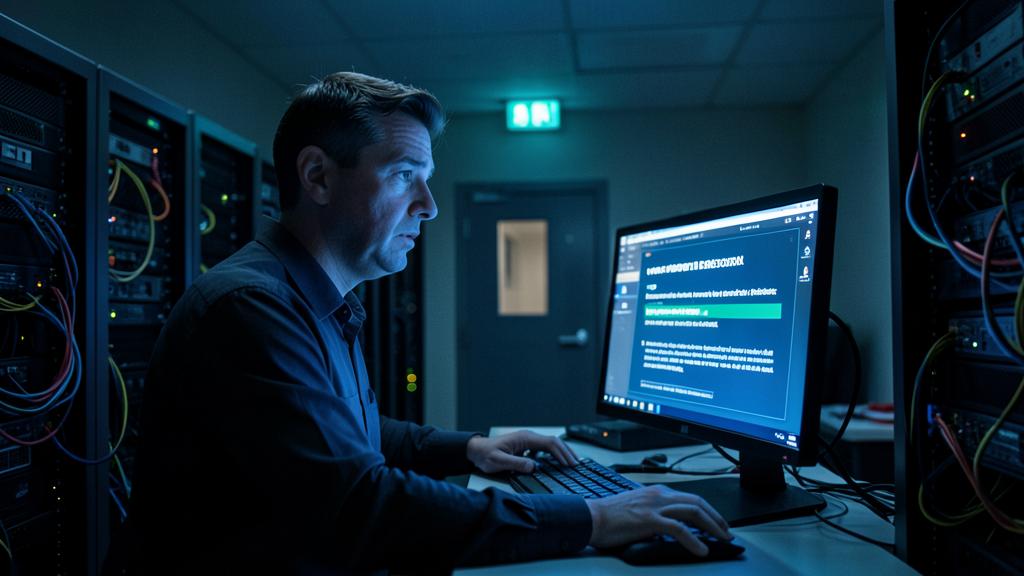
Warning: you can’t change your fingerprint — protect your biometric data, and distinguish personal use from surveillance. Biometrics is practical, but some issues call for real vigilance. IRREVERSIBILITY, the fundamental issue: unlike a password (which you can CHANGE if it leaks), you cannot « change » your fingerprint or face; if biometric data were stolen or compromised, the problem would be PERMANENT; this is what makes these data particularly SENSITIVE; hence the CRUCIAL importance of their protection. The good news: on your PERSONAL DEVICES (phone, computer), the data is stored locally and securely (encrypted, not transmitted: reassuring). The risk is higher when ORGANIZATIONS store your biometric data in DATABASES (companies, services): be ATTENTIVE to whom you entrust your biometric data and how they are protected; don’t entrust them lightly to dubious or unguaranteed services; a leak from a biometric database would be serious and irreversible; only give your biometric data to serious actors, when it’s necessary and framed. Distinguish PERSONAL USE and MASS SURVEILLANCE: unlocking your phone with a fingerprint (personal use, local data) has NOTHING to do with MASS FACIAL RECOGNITION used to identify people in public spaces; the latter raises serious questions about PRIVACY and FREEDOMS (surveillance, tracking, social control); it’s a major societal issue, framed by debates and regulations; as a citizen, stay attentive and vigilant about these broader uses, without confusing them with the convenience of your phone. IMPERFECT RELIABILITY: biometrics can fail (wet finger, changed face, poor lighting) or present biases; hence the importance of a SOLID backup CODE (the ultimate protection: don’t neglect it, as it’s the one that protects when biometrics doesn’t work). PHYSICAL CONSTRAINT: you can be forced to unlock via biometrics (press your finger, present your face by force), which is more difficult with a code (which stays in your head); devices provide ways to temporarily disable biometrics and force the code; to know for risky situations (without being paranoid). CONSENT: the use of biometrics should be an INFORMED CHOICE; beware if it’s imposed without alternatives or guarantees; you can choose not to use it (for example, keep a code on your phone if you prefer). Beware of biometric data of CHILDREN and vulnerable relatives: protect them particularly. And beware of applications or services that would collect biometric data WITHOUT NECESSITY (a simple app generally doesn’t need your fingerprint: it uses that of your device, without accessing it directly; beware if a service wants to record YOUR biometrics with them). By protecting your biometric data (especially outside your personal devices), keeping a solid backup code, distinguishing personal use (reassuring) from mass surveillance (freedom issue), and making biometrics an informed choice, you will benefit from its convenience while remaining vigilant about its real issues — which are serious, precisely because you can’t change your fingerprint.

Frequent questions
Is it safe to unlock your phone with your fingerprint or face?
Yes, on personal devices, it’s generally safe — and often more so than a simple code. Several reasons are reassuring. The data is stored LOCALLY and SECURELY: on your phone/computer, your fingerprint or face are recorded in a PROTECTED and encrypted area of the device; this data is NOT « a photo » of your face that would circulate, but a secure mathematical representation; it is NOT transmitted to servers or shared; it stays in your device; this strongly limits risks. It’s often SAFER than a code: a code can be seen (over your shoulder), guessed (many choose weak codes: « 1234 », a date), or found; your fingerprint/face, no: they are unique to you and hard to imitate; biometrics avoids the weaknesses of simple codes. Biometrics is accompanied by a BACKUP CODE (in case of recognition failure); keep this code SOLID, as it’s the ultimate protection. Some nuances: biometrics is not infallible (it can fail: wet finger, changed face; rarely, be fooled; hence the backup code); and there’s a specific point: you can be physically forced to unlock via biometrics (someone presses your finger/presents your face by force), which is more difficult with a code; devices provide ways to temporarily force the code in risky situations (to know). But for normal daily use, the biometrics of your phone/computer is a good choice: practical and safe. In summary: yes, unlocking your phone with a fingerprint or face is safe on personal devices (data stored locally and securely, not transmitted); it’s even often safer than a simple code (hard to imitate); just keep a SOLID backup code (the ultimate protection in case of failure); you can use the biometrics of your devices with confidence; the heavier issues concern OTHER uses (databases, mass surveillance), not unlocking your phone.
What happens if my biometric data is stolen?
This is precisely the most sensitive issue of biometrics: unlike a password, you cannot « change » your fingerprint or face. If biometric data were STOLEN or compromised, the problem would be PERMANENT: you can change a compromised password, but you cannot redo your fingerprint or a new face; this is what makes biometric data particularly valuable and sensitive, and their protection crucial. BUT you must distinguish two situations, very different in terms of risk. On your PERSONAL DEVICES (phone, computer): the risk is LOW; your biometric data is stored LOCALLY, securely (encrypted, in a protected area), and is NOT transmitted outside or shared; it’s not « an image » that circulates, but a protected mathematical representation; it is therefore very difficult to « steal » your fingerprint via your phone; for this personal use, rest assured. The risk is higher with DATABASES: when ORGANIZATIONS (companies, services) collect and store your biometric data in their databases, a leak or hack of these databases would be serious (irreversible data exposed); this is where vigilance is required: only entrust your biometric data to SERIOUS actors, when it’s necessary and framed, and be attentive to how they are protected; beware of dubious services that would want to collect your biometrics without guarantees. What to do in practice? On your personal devices, use biometrics without worry (local and secure data). Facing services that want to collect your biometrics: think (is it necessary? is the actor serious? how do they protect these data?), and only accept if it’s justified and framed; you often have a choice. In summary: the theft of biometric data would be a PERMANENT problem (you can’t change your fingerprint), which makes these data very sensitive; but on your personal devices, the risk is low (local, secure, non-transmitted data); the real issue concerns DATABASES of third parties: only entrust your biometric data to serious actors, when necessary, and remain vigilant about their protection; this is where the security of your biometric data is at stake.

Facial recognition, should we be wary of it?
It depends on the USE: you must distinguish your phone from mass surveillance, which are very different. Facial recognition on YOUR personal device (unlocking your phone with a glance): no particular concern; the data is stored locally and securely in the device, not transmitted; it’s practical and safe for this use (like the fingerprint); you can use it with confidence, or choose not to use it if you prefer (for example, keep a code). MASS FACIAL RECOGNITION in public spaces: here, it’s a whole other issue, which calls for real CIVIC VIGILANCE; used to IDENTIFY people on a large scale (in the street, by cameras, for surveillance purposes), it raises serious questions about PRIVACY and FUNDAMENTAL FREEDOMS: possibility of tracking everyone’s movements, generalized surveillance, social control, violation of anonymity in public spaces; this use is the subject of important societal debates and regulations (legal frameworks aim to strictly frame it, as the risks to freedoms are serious); it’s a major collective issue. You must therefore NOT CONFUSE the two: unlocking your phone (personal use, local data, your choice, safe) has nothing to do with surveillance facial recognition (use by third parties, on a large scale, freedom issue). Should we « be wary of it »? For your personal use: no, it’s a practical and safe tool. For mass surveillance uses: yes, you must be vigilant and attentive, as a citizen, because these uses raise real questions of freedoms and society; informing yourself about these issues, supporting protective framing, being aware of the risks of generalized surveillance, is important. Facial recognition well illustrates that biometrics is neither « good » nor « bad » in itself: it all depends on the USE; convenient and safe for unlocking your device (you choose), it becomes a freedom issue when it is used to surveil populations. In summary: don’t be wary of the facial recognition of your phone (personal use, safe, your choice); but keep a civic vigilance about MASS FACIAL RECOGNITION (surveillance), which raises real privacy and freedom issues; always distinguish these two levels: personal convenience on one side, societal issue on the other.
What to remember
BIOMETRICS identifies a person by their physical characteristics (FINGERPRINT, FACE, iris, voice); it has become part of daily life: unlocking devices, payment, app access, border controls; « you are your password ». Its ADVANTAGES: CONVENIENCE (no code to remember/type: a finger, a glance), SPEED, and on personal devices, SECURITY often enhanced (fingerprint/face hard to imitate, safer than a simple code) with data stored LOCALLY and securely (encrypted, not transmitted: reassuring); it’s a good security/convenience compromise for personal use, plus a help for accessibility and the end of weak passwords. On YOUR DEVICES (phone, computer), you can therefore use biometrics with CONFIDENCE; just keep a SOLID backup CODE (the ultimate protection in case of recognition failure) and combine it with two-factor authentication. But biometrics raises BROADER ISSUES calling for VIGILANCE. IRREVERSIBILITY (fundamental issue): unlike a password, you cannot « change » your fingerprint or face; compromised biometric data would pose a PERMANENT problem; hence their extreme sensitivity and the importance of their protection. Distinguish PERSONAL DEVICE (local data, secure: low risk) and DATABASES of third parties (organizations that store your biometrics: higher risk in case of leak; only entrust your biometric data to serious actors, when necessary and framed). Also distinguish PERSONAL USE (unlocking your phone: practical and safe, your choice) and MASS FACIAL RECOGNITION (surveillance in public spaces: major privacy and FREEDOM issue; civic vigilance necessary; don’t confuse them). Other points: biometrics is not infallible (can fail: backup code essential; can present biases); possible physical constraint (you can be forced to unlock via biometrics; devices provide ways to force the code in risky situations); CONSENT (use should be an informed choice; beware if imposed without guarantees); REGULATION (these sensitive data are, or should be, protected by law); and the protection of biometric data of children and vulnerable relatives. Biometrics is neither good nor bad in itself: it all depends on the USE. On your personal devices, enjoy its convenience and security (local data, your choice, solid backup code); on broader uses (databases, mass surveillance), keep a civic vigilance; between personal convenience and societal issues, biometrics calls for an informed use and awareness of its real issues — serious, precisely because you can’t change your fingerprint.


Want to understand and master the technologies that change your daily life? Our training courses will enlighten you.
Leave a Reply
You must be logged in to post a comment.