
Online betting, online casinos, poker, lotteries, but also « game » mechanics increasingly present in video games (loot boxes, random purchases): online gambling has massively developed, accessible in a few clicks from any phone. Their advertising is omnipresent, their offers enticing (« welcome bonus », « free bet »), and their promise seductive: earning money easily. But behind this facade lies a reality that must be known: gambling is designed for the player to LOSE in the long run, it can create an ADDICTION with dramatic consequences, and its online accessibility (24/7, discreet, with « virtual » money) amplifies the risks. This article is not a moral lesson, but a lucid warning about mechanisms that cause real damage. Let’s see what these games are, the real risks, and how to protect yourself — yourself or a loved one.
Online gambling: a booming phenomenon
Let’s understand the scope and forms of the phenomenon to better grasp its stakes. A MASSIVE development: online gambling has massively developed; sports betting, online casinos, poker, lotteries; a booming sector; a major phenomenon; to be faced head-on. Accessible in FEW CLICKS: you can bet money in a few clicks, from your phone, anywhere, anytime; total accessibility; gambling in your pocket; a risk factor (we’ll come back to it). Omnipresent ADVERTISING: advertising for these games is everywhere (sports, networks, websites); it normalizes and incites; you are constantly solicited; permanent pressure; to decode. Enticing OFFERS: « welcome bonus », « free bet », « offers »; bait to attract and make you play; the enticing hides the trap; beware (we’ll come back to it). The PROMISE of easy money: the promise: earn money easily, quickly; a seductive but deceptive promise; the lure of gain; the central illusion; to demystify. Sports BETTING: very popular, associated with sports (matches, competitions); they seem « controllable » (you think you know the sport) but remain gambling; an illusion of control; risky. Online CASINOS: slots, roulette, pure games of chance online; total chance, designed for the house; games where you structurally lose; dangerous. Mechanics in VIDEO GAMES: beware; gambling-like mechanics are invading video games (loot boxes, random purchases); « gambling » even affects young players; a new issue (we’ll come back to it). Access for YOUNG PEOPLE: accessibility and these mechanics expose young people (forbidden but accessible, loot boxes in their games); a vulnerable audience exposed; particular vigilance. A worrying NORMALIZATION: between ads, accessibility, and integration into leisure activities, gambling is becoming normalized; yet they are not harmless; a normalization to question; take a step back. The main idea: online gambling — sports betting, online casinos, poker, lotteries — has MASSIVELY developed, becoming accessible in FEW CLICKS from any phone, at any time. Their ADVERTISING is omnipresent (sports, social networks, websites), their OFFERS enticing (« welcome bonus », « free bet »), and their seductive PROMISE: earn money easily. Sports BETS, very popular, give an illusion of control (you think you « know the sport ») but remain gambling; online CASINOS are pure chance, designed for the house. A new and concerning development: gambling-like mechanics are now invading VIDEO GAMES (loot boxes, random purchases), even exposing young players. Between total accessibility, advertising, and this integration into leisure activities, gambling is becoming NORMALIZED — while they are far from harmless. It’s this normalization that must be questioned with lucidity.
Online gambling is designed to make you lose money over time. The operators always win in the end, no matter what. The ads and bonuses are traps to make you play more. Young people are especially at risk because of loot boxes in games. These games are not harmless—they can ruin lives.
A player in France lost €50,000 over two years on an online betting app. He thought he could “get even” after losses, but the more he played, the more he lost. He finally sought help from a gambling addiction hotline to stop.

Real risks: what you need to know
Here’s the reality behind the promise: concrete risks, to be known without mincing words. Designed to make you LOSE: that’s THE fundamental truth; gambling is designed for the player to LOSE in the long run (the operator wins, that’s their model); structurally losing; the house always wins (we’ll come back to it). The illusion of EASY GAIN: the promise of easy gain is an illusion; occasional wins exist (to lure you) but in the long run you lose; the bait hides the loss; don’t be fooled. The risk of ADDICTION: gambling can create a REAL addiction (gambling addiction); a recognized disease with dramatic consequences; the most serious risk; to be taken very seriously. DRAMATIC consequences: gambling addiction destroys lives (financial ruin, debts, broken families, psychological distress); real damage; not a harmless game; seriousness. The spiral of LOSSES: you play again to « get even » after a loss, which worsens; the debt spiral; a classic and destructive vicious circle; the trap of chasing losses. Accessibility that AMPLIFIES: playing online (24/7, discreet, alone) amplifies the risks compared to a physical location; the physical barrier disappears; accessibility worsens; a key factor. Deceptive VIRTUAL money: online, money (credit, bet on screen) seems less « real » than bills; you bet more easily; dematerialization disinhibits; a psychological trap. Addictive MECHANICS: these games use mechanics designed to capture (variable rewards, « almost won », solicitations); designed to hook; addiction is not a coincidence; beware. Vulnerable YOUNG PEOPLE: young people are particularly vulnerable (impulsiveness, loot boxes that get them used to gambling mechanics); an audience to protect; enhanced vigilance (we’ll come back to it). The illusion of CONTROL: sports betting gives the illusion that you « control » (knowledge of the sport); but the result remains uncertain and the house wins; a dangerous illusion; don’t overestimate your « expertise ». In summary, behind the seductive promise lie real risks, to be known. The FUNDAMENTAL truth: gambling is DESIGNED for the player to LOSE in the long run — the operator wins, that’s their entire economic model; the « house » always wins in the end. The promise of easy gain is therefore an ILLUSION: occasional wins exist (precisely to lure you), but in the long run, you structurally lose. The most serious risk is ADDICTION: gambling can create a real addiction, a recognized disease with DRAMATIC consequences (financial ruin, debts, broken families, psychological distress — gambling destroys lives). A classic vicious circle: playing again to « get even » after a loss, which only worsens (the debt spiral). The ONLINE format amplifies everything: 24/7 accessibility, discretion, solitude (no barrier), and « virtual » money that seems less real (you bet more easily). These games also use MECHANICS designed to hook (variable rewards, « almost won » feeling). YOUNG PEOPLE are particularly vulnerable (impulsiveness, and loot boxes that get them used to gambling mechanics). Finally, sports betting fosters a deceptive illusion of CONTROL. These games are not harmless: they cause real damage.
The golden rule: the house always wins; if you play, only bet what you are willing to lose, never in the hope of winning. If there’s only one thing to remember about gambling, it’s this: THE HOUSE ALWAYS WINS. This isn’t pessimism, it’s a mathematical and structural reality. Gambling is DESIGNED so that, in the long run and across all players, the operator wins and the players lose: that’s their business model, the source of their profits. Wins exist (some players win occasionally, and these wins are highlighted to make you play), but the entire system is calibrated to be LOSING for players in their entirety and in the long term. No « method », no « strategy », no « sports science » can durably reverse this reality (beware of anyone who claims otherwise or sells « miracle methods »). By understanding this, you approach the subject lucidly. Practical consequence: if you choose to play (it’s your right), do so as a PAID HOBBY, never as a way to make money. In concrete terms, a few common sense rules to avoid losing control. First rule: only bet what you are willing to LOSE. Consider the money bet as the price of entertainment (like a movie ticket), definitively spent, and not as an « investment » from which you expect a return. If losing that amount would be a problem, don’t bet it. Second rule: set yourself STRICT LIMITS before playing (a maximum budget, a maximum time) and stick to them, no matter what. Platforms often offer tools to cap your bets or time: use them. Third rule, crucial: NEVER try to « get even ». After a loss, the temptation to play again to recover is the number one trap, the entry into the debt spiral. A loss is a loss: accept it and stop. Fourth rule: NEVER play with BORROWED money, or money essential to your expenses (rent, bills, groceries). Fifth rule: don’t play for BAD REASONS (to escape worries, boredom, depression, under the influence of emotion or alcohol): that’s how you lose control. And beware of « bonuses » and « free bets »: these are baits designed to make you play (and play again), often with conditions that push you to bet more. In summary, keep in mind the golden rule: THE HOUSE ALWAYS WINS (the system is structurally losing for players; no method can change that). If you play, treat it as a PAID HOBBY: only bet what you are willing to LOSE, set STRICT LIMITS before playing and stick to them, NEVER try to get even (the trap of the spiral), never play with borrowed or essential money, nor to escape worries, and beware of bait bonuses. These rules don’t make the game « winning » (nothing can), but they allow you, if you choose to play, to keep control and avoid the slide into real damage.

Protecting yourself, and protecting your loved ones
Here’s how to protect yourself from the dangers of gambling, and help a loved one in difficulty. Understanding the REALITY: the first protection is to understand that the house always wins and that these games cause real damage; lucidity protects; demystify the promise; knowledge is protection. Decoding ADVERTISING: decode the omnipresent ads (they sell a dream, not the reality of losses); don’t let yourself be seduced by images of winners; keep a critical mind; consult our guides on critical thinking. Beware of OFFERS: « bonuses », « free bets » are baits to make you play; nothing is « free »; beware of offers; decode the trap. Setting LIMITS: if you play, set a budget and time limit BEFORE, stick to them, use the capping tools; the framework protects; limit yourself. Spotting WARNING SIGNS: spot signs of loss of control (playing more than planned, hiding, getting into debt, « getting even », thinking about it constantly); early warning; be attentive to yourself and loved ones (we’ll come back to it). Not playing to ESCAPE: don’t play to escape worries, boredom, depression; it’s a tipping factor; gambling doesn’t solve anything; avoid bad reasons. Protecting YOUNG PEOPLE: gambling is forbidden to minors; monitor exposure (online access, loot boxes in video games), talk about it; protect them; vigilance. Using PROTECTION TOOLS: there are tools (self-exclusion, limits, voluntary gambling ban); they help protect yourself or a loved one; know them; use them. Seeking HELP: in case of a problem (yourself or a loved one), help exists (specialized structures, helplines, associations, care); addiction is treatable; don’t stay alone; ask for help. Helping a LOVED ONE: when facing a loved one in difficulty; without judging, express your concern, direct them to help, inform yourself about support for loved ones; the entourage matters; support. In summary, to protect yourself and your loved ones from gambling: the first defense is LUCIDITY (understanding that the house always wins and that these games cause real damage demystifies the promise). DECODE the omnipresent advertising (it sells a dream, not the reality of losses) and BEWARE of « bonuses » and « free bets » (baits). If you play, set STRICT LIMITS (budget, time) before and stick to them (use the capping tools), don’t play to ESCAPE worries, and know how to spot WARNING SIGNS of loss of control. Protect YOUNG PEOPLE (gambling is forbidden to minors: monitor online exposure and loot boxes, talk about it). Know the PROTECTION TOOLS (self-exclusion, limits, voluntary gambling ban), and above all, in case of a problem, SEEK HELP: gambling addiction is a disease that can be TREATED, specialized structures, helplines, and associations exist — don’t stay alone. To HELP a loved one in difficulty: without judging, express your concern and direct them to help (also inform yourself about support for loved ones). Protection comes from lucidity, vigilance, framework — and seeking help as soon as control wavers.
Warning: gambling addiction is a serious illness, its signs must alert, and young people (loot boxes) are particularly exposed. Three major warnings about the real dangers of gambling. First warning: gambling addiction (gambling addiction, or pathological gambling) is a SERIOUS ILLNESS, never to be taken lightly. It’s not a « weakness » or a « lack of willpower », but a real addiction recognized, with DRAMATIC consequences: financial ruin and over-indebtedness, lies and concealment, family conflicts and breakups, job loss, deep psychological distress that can lead to despair. Pathological gambling DESTROYS lives — that of the player and their entourage. Like any addiction, it locks you into denial (« I’m in control », « I’ll get even ») and a spiral that is very difficult to get out of alone. The good news: this illness can be TREATED, and help exists (specialized structures in addictology, dedicated helplines, associations, support). The key point: don’t stay alone, and seek help without shame — for yourself or a loved one. Second warning: know how to spot WARNING SIGNS of loss of control, in yourself or a loved one. Should alert: playing more (in money or time) than planned; being constantly preoccupied with gambling (thinking about it constantly, preparing the next bet); playing to « get even » after losses (chasing lost money); HIDING or minimizing gambling, lying about amounts; getting into DEBT, borrowing, dipping into essential money to gamble; playing to escape problems or malaise; becoming irritable when you can’t play; neglecting obligations, loved ones, hobbies because of gambling. Several of these signs should lead you to react quickly (the sooner the better): recognizing the problem is the first step towards help. Third warning: YOUNG PEOPLE are particularly exposed, especially through loot boxes. Two dangers concern them. On the one hand, despite the ban on gambling for minors, online accessibility can open doors for them (bypassed accounts): monitor. On the other hand, and this is more insidious, LOOT BOXES and random purchases present in many video games (paying to obtain random content, without knowing what you’ll get) reproduce gambling mechanics (chance, variable reward, desire to try again) — they GET young people used to these mechanisms from a young age, in a normalized context (their favorite games), which worries many experts. Stay vigilant: take an interest in what your children play, spot these paid mechanics (monitor game-related expenses), deactivate or frame purchases, and talk to them (explain the mechanism, the fact that you pay for chance). In summary, three serious vigilances: ADDICTION to gambling is a serious illness that destroys lives (but can be treated: don’t stay alone, seek help), its WARNING SIGNS must lead you to react quickly (playing more than planned, getting even, hiding, getting into debt, playing to escape…), and YOUNG PEOPLE are particularly exposed (online access despite the ban, and especially loot boxes that get them used to gambling mechanics: monitor, frame, talk about it). These dangers are real and serious: knowing them is giving yourself the means to protect yourself and protect those you love.
Frequent questions
Can you really make money with online betting or games?
Occasionally yes, but in the long run no: these games are designed for the player to lose and the operator to win; wins serve as bait, but no method makes the system durably winning for the player. Let’s see the reality. Occasionally, YES: you can occasionally win (a bet, a game); wins exist, otherwise no one would play; these wins are real but deceptive; the bait works. In the long run, NO: but in the long run, the player LOSES; the system is designed for that; occasional wins are drowned in overall losses; the long run reveals the loss. The HOUSE wins: the operator always wins overall (that’s their business model); mathematically, the system is losing for players overall; the house wins; structural. The bait of WINS highlighted: winners are highlighted (ads, testimonials) to entice; you don’t show the losers (the majority); a biased image; don’t rely on the exhibited winners. No MIRACLE METHOD: no « method », « strategy », « system » makes you durably winning; beware of those who sell methods (it’s another scam); no winning secret; illusion. The illusion of SPORTS BETTING: in sports betting, you think you « know » (know the sport); but the result remains uncertain and the house takes its margin; the illusion of control is deceptive; don’t overestimate your expertise. The chance of CASINOS: in online casinos (pure chance), no control possible; chance is calibrated for the house; you don’t beat chance; losing. The trap of CHASING: believing you’ll « get even » pushes you to play again and worsens losses; it’s the trap of the illusion of gain; don’t enter the spiral; stop. The ADVICE: occasionally you can win, but in the long run you lose; the system is designed for the house to win; wins serve as bait, no method makes you durably winning; never count on gambling to make money. In summary, can you really make money with online betting or games? The honest answer is: OCCASIONALLY yes, but IN THE LONG RUN, no. Occasional wins do exist (a bet that goes through, a good game) — otherwise, no one would play, and these wins are real. But they are DECEPTIVE: in the long run, and across all players, the system is mathematically designed for players to LOSE and the operator to WIN. That’s the entire business model of the sector: the « house » always wins in the end. Wins are highlighted (ads showing winners, testimonials) precisely to entice you to play; you’re never shown the silent majority of losers. And beware: no « method », « strategy », or « system » makes you durably winning — beware of anyone who claims otherwise or sells « miracle methods » (it’s an additional scam). In SPORTS BETTING, the impression of « knowing » (knowing the sport) creates an illusion of control: but the result remains uncertain, and the operator always takes its margin. In online CASINOS (pure chance), no control is even possible. The most dangerous trap is believing you’ll « get even »: this illusion pushes you to play again and worsens losses. The conclusion is clear and serves as protection: NEVER count on gambling to make money: in this game, in the long run, you lose — that’s how they’re designed.
How to know if you or a loved one has a problem with gambling?
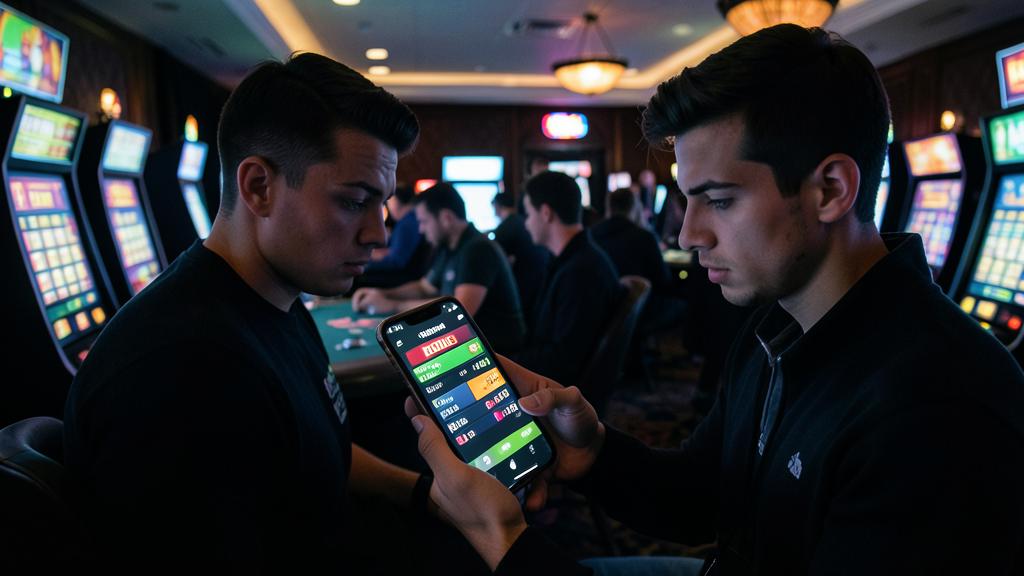
Certain signs should alert you: playing more than planned, trying to get even, hiding gambling, getting into debt to gamble, thinking about it constantly, gambling to escape worries; if several of these signs are present, you need to react and seek help, because gambling addiction can be treated. Let’s look at the signals. Playing MORE than planned: betting more money or time than you set out to, not being able to stop; loss of control over limits; a key sign; alert. Trying to GET EVEN: playing again to recover lost money (chasing losses); the typical vicious circle; a strong signal; danger. HIDING gambling: hiding that you play, how much you bet, lying to your entourage; shame and secrecy; an important sign; to spot. Getting into DEBT to gamble: borrowing, dipping into essential money, accumulating debts to gamble; a serious sign; gambling money overflows; alarm. Thinking about it CONSTANTLY: being preoccupied with gambling all the time (replaying games, preparing the next bet); obsession; a sign of grip; alert. Gambling to ESCAPE: gambling to escape worries, stress, depression, boredom; gambling as an escape; a tipping factor; to monitor. IRRITABILITY and withdrawal: being irritable, uncomfortable when you can’t play; withdrawal, sign of addiction; a symptom; serious. NEGLECTING the rest: neglecting work, loved ones, hobbies, obligations because of gambling; gambling takes over; a sign of grip; serious. Several signs: REACT: if several of these signs are present (in yourself or a loved one), you need to react; the sooner the better; don’t minimize; act. Seeking HELP: gambling addiction can be treated; contact specialized structures, helplines, associations; don’t stay alone; consult our guides on help resources; ask for support. The ADVICE: certain signs should alert you (playing more than planned, getting even, hiding, getting into debt, thinking about it constantly, gambling to escape, irritability, neglecting the rest); if several are present in yourself or a loved one, react quickly and seek help; gambling addiction is a treatable illness. In summary, to know if you or a loved one has a problem with gambling, certain SIGNS should alert you: playing MORE (in money or time) than planned, without being able to stop; trying to « GET EVEN » after losses (playing again to recover lost money); HIDING gambling and lying about the amounts bet; GETTING INTO DEBT, borrowing, or dipping into essential money to gamble; being PREOCCUPIED with gambling all the time (thinking about it constantly); gambling to ESCAPE worries, stress, or malaise; becoming IRRITABLE when you can’t play (sign of withdrawal); and NEGLECTING your work, loved ones, and hobbies because of gambling. One or two of these signs should already make you think; several present together indicate a probable loss of control that calls for ACTION — and the sooner the better, because addiction worsens over time and locks you into denial. If you recognize yourself, or a loved one, in this picture, the essential step is to SEEK HELP: gambling addiction is a recognized illness that can be TREATED, and there are specialized structures in addictology, dedicated helplines, and associations, both for players and their loved ones. The most important thing: don’t stay alone, don’t minimize, and dare to ask for help without shame — it’s the first step, often decisive, towards getting out of the spiral.

Are video game loot boxes gambling?
They don’t bear the name, but they reproduce the mechanics: paying to obtain random content, with the spring of chance and variable reward; that’s why they worry, especially for young people who get used to these logics. Let’s see. What a LOOT BOX is: a « loot box » (or chest, random purchase) in a video game: you pay to obtain RANDOM content (you don’t know what you’ll get); paying for chance; the principle. Not the NAME, but the mechanism: they are not officially « gambling », but they reproduce the mechanics (chance, bet, variable reward); the resemblance is striking; disguised gambling; in substance, yes. The spring of CHANCE: like in gambling, you bet (real money) on an uncertain result; the heart of gambling; paying chance; problematic. The VARIABLE REWARD: the variable and uncertain reward (sometimes « rare ») creates the desire to try again; the same addictive mechanism as slot machines; designed to hook; beware. Why it WORRIES: it worries because these mechanisms get players (often young) used to gambling logics, in a normalized context (their games); a gateway; a real issue. YOUNG PEOPLE concerned: many games with loot boxes are played by young people; they are exposed early to these mechanisms; a vulnerable audience; particular vigilance. A DEBATE and a framework: the subject is debated, and some countries/institutions frame or question loot boxes; a recognized issue; the concern is shared; serious. What PARENTS can do: take an interest in your children’s games, spot these random purchases, frame/deactivate purchases, monitor expenses, talk about it (explain that you pay for chance); frame; consult our guides on video games and children. Explain the MECHANISM: explain to young people the spring (paying for chance, designed to make you want to try again); critical thinking protects them; educate; understanding disarms. The ADVICE: loot boxes don’t bear the name of gambling but reproduce its mechanics (paying for randomness, chance, variable reward); they worry because they get young people used to these logics; parents, frame purchases, monitor expenses, and explain the mechanism. In summary, video game loot boxes don’t officially bear the name of « gambling », but they do indeed reproduce the MECHANICS, which explains the growing concern about them. The principle of a loot box (or chest, random purchase) is simple: you PAY (with real money, often) to obtain RANDOM content, without knowing in advance what you’ll receive. You find there the fundamental springs of gambling: a BET on an UNCERTAIN result (chance), and a VARIABLE REWARD (sometimes « rare » or « precious ») that creates the desire to TRY AGAIN — exactly the addictive mechanism of slot machines. That’s why these devices worry many experts: they GET players — often YOUNG, since many of the games concerned are played by children and adolescents — used to gambling logics, and this in a totally normalized context (their favorite video games). The subject is debated and is beginning to be framed or questioned in several countries. What can parents do? Stay VIGILANT: take an interest in your children’s games, spot the presence of these random purchases, FRAME or deactivate in-game purchases (and monitor game-related expenses, which can add up quickly), and above all TALK ABOUT IT with them — by clearly explaining the mechanism (you pay real money for chance, and the system is designed to make you want to try again). Developing their critical thinking about these mechanisms is the best protection: understanding the spring is already partly disarming it. Without dramatizing all purchases in games, it is legitimate to treat loot boxes with the same vigilance as other paid chance mechanisms.
What to remember
Online gambling — sports betting, casinos, poker, lotteries — has exploded: accessible in a few clicks 24/7 from any phone, boosted by omnipresent advertising, enticing offers (« bonuses », « free bet »), and the seductive promise of easy money. But behind this facade lies a reality that must be known with lucidity. The fundamental truth: THE HOUSE ALWAYS WINS. These games are DESIGNED for the player to lose in the long run (that’s the operator’s business model); the promise of easy gain is an ILLUSION (occasional wins serve as bait, but in the long run you lose), and no « miracle method » can change that. The most serious risk is ADDICTION: gambling can create a real addiction, a recognized disease with DRAMATIC consequences (ruin, debts, broken families, psychological distress — gambling destroys lives), with the classic vicious circle of playing again to « get even ». The online format AMPLIFIES everything (accessibility, discretion, solitude, « virtual » money that disinhibits), and the mechanics are designed to hook. If you choose to play, treat it as a PAID HOBBY: only bet what you are willing to LOSE, set strict limits (budget, time) before and stick to them, NEVER try to get even (the number one trap), never play with borrowed or essential money, nor to escape worries, and beware of bait bonuses. Know how to spot WARNING SIGNS (playing more than planned, getting even, hiding, getting into debt, thinking about it constantly, gambling to escape, neglecting the rest): if several are present, in yourself or a loved one, react quickly. Because the good news is that gambling addiction can be TREATED: specialized structures, helplines, and associations exist (for players and their loved ones) — don’t stay alone, ask for help without shame. Finally, protect YOUNG PEOPLE: gambling is forbidden to them (monitor online access), but above all, beware of VIDEO GAME LOOT BOXES, which reproduce gambling mechanics (paying for randomness) and get them used to these logics — frame purchases, monitor expenses, and talk about it. Online gambling is not a harmless entertainment: they cause real damage. Knowing them with lucidity — the house always wins, addiction lurks, help exists — is the best way to protect yourself and protect those you love.

Want to understand and master the technologies that change your daily life? Our training courses will enlighten you.
Leave a Reply
You must be logged in to post a comment.