
Keeping your mind sharp and your memory alert is a legitimate concern at any age, and « brain game » apps promise to help: memory exercises, puzzles, logic and speed games, presented in a fun and challenging format. They are popular, enjoyable, and meet with great success among those who want to « train their brain. » But how effective are they really? Do they actually improve memory, or just the game score? Let’s see what these apps offer, what you can realistically expect from them, and how to intelligently integrate them into a lifestyle that truly maintains the mind.
What brain game apps offer
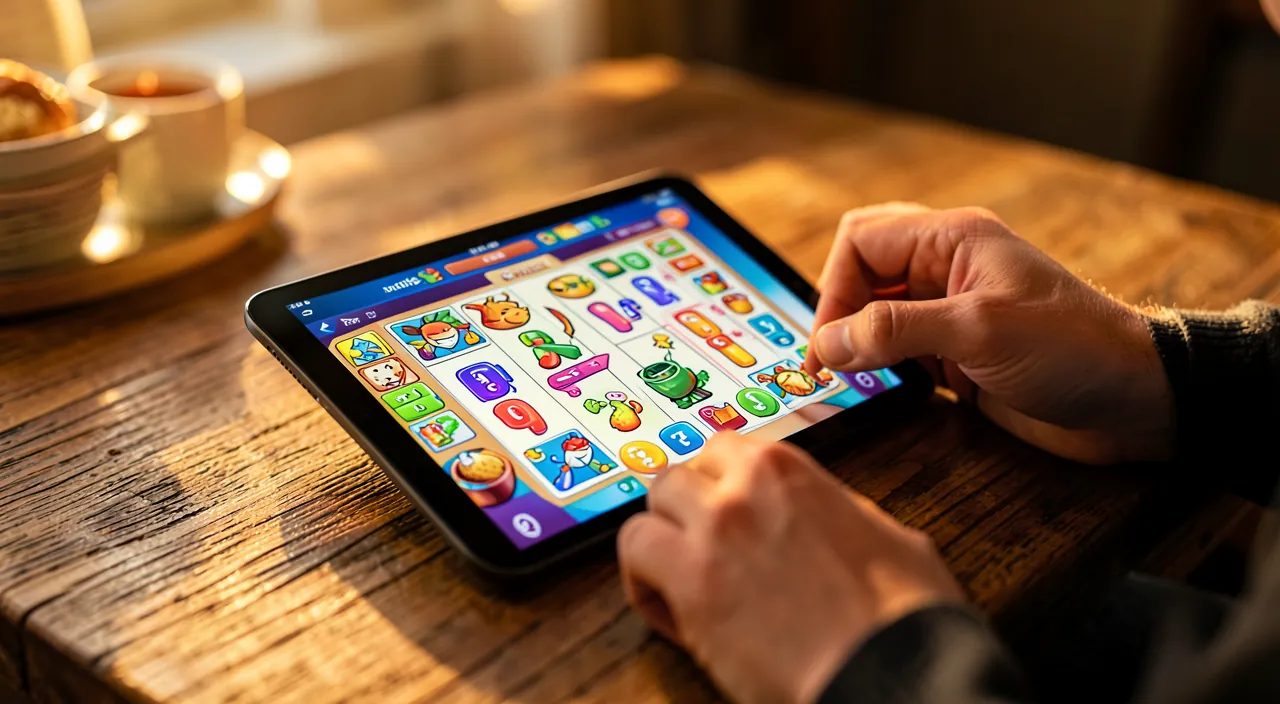
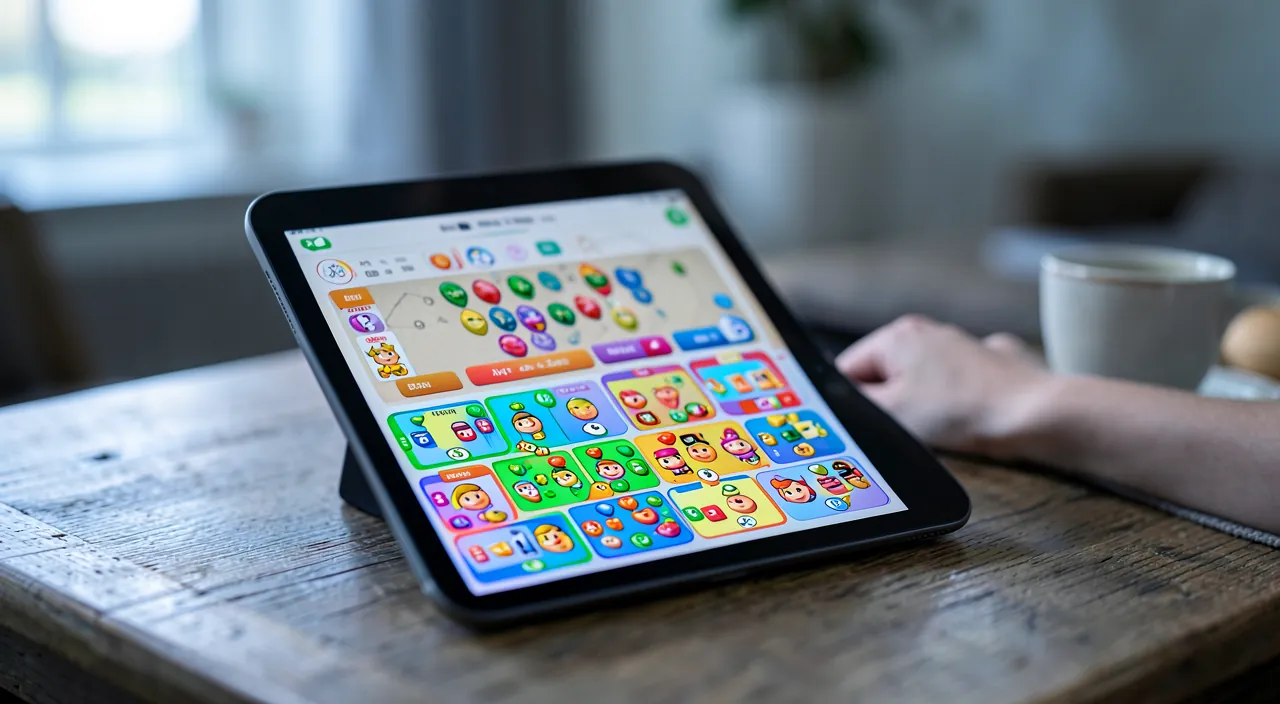
These apps bring together a wide variety of fun exercises; here’s what they provide. MEMORY games: remembering sequences, pairs, lists, positions; the stated goal is to train short-term and working memory. PUZZLES and LOGIC games: riddles, sequences, problems to solve; they engage reasoning. SPEED and attention exercises: reacting quickly, spotting, sorting; they work on processing speed and concentration. CALCULATION and word games: mental operations, vocabulary, anagrams; they maintain specific skills. A FUN and motivating format: short sessions, progress, scores, daily challenges, comparisons; everything is designed to make you want to come back every day. TRACKING of your performance: progress charts, « brain age, » strengths and weaknesses; this flatters and motivates. What it HONESTLY serves: to have a PLEASANT and stimulating moment; to HAVE FUN while challenging your mind; to maintain a habit of mental stimulation; and, undeniably, to PROGRESS… in the games themselves. What needs to be QUALIFIED from the start (we’ll come back to this in detail): the big question is whether these game improvements TRANSFER to daily life (better remembering a name, a shopping list, being more focused at work); yet studies on this « transfer » are much more nuanced than the marketing promises; you mainly progress in what you practice, and the general benefit remains debated. So you must distinguish the PLEASURE and stimulation (real) from the promise of a globally transformed memory (to be taken with caution). The key idea: brain game apps offer a great variety of fun exercises (memory, logic, speed, calculation) in a motivating format that makes you want to come back; they are pleasant and stimulating, and you progress. But their promise to improve memory and cognitive abilities in everyday life durably must be taken with a CRITICAL EYE: you mainly progress in the games you practice, and the transfer to real situations is far from guaranteed. So see them as a stimulating and pleasant entertainment, one brick among others in good mental hygiene — not as a miracle method to « boost your brain. »
These apps make you better at their own games, but that skill doesn’t automatically help you remember real-life things like names or shopping lists. They’re fun and can keep your mind active, but they’re not a magic fix for memory problems.
If you play a memory game that trains you to remember sequences of colors, you’ll get better at that game. But that won’t necessarily help you remember a phone number or a friend’s birthday. The skills don’t transfer easily.

What you can realistically expect from them
To use these apps well, you need to have realistic expectations; let’s sort out what is established and what is oversold. What is REAL and positive: these games are ENJOYABLE and provide real mental stimulation at the moment; they maintain the habit of challenging your mind; they can help you feel more alert and intellectually active; and staying mentally active, in one form or another, is beneficial — a stimulated brain is better than an inactive one. In this regard, they have value. What is OVERSOLD: the implicit (or explicit) promise that playing fifteen minutes a day will significantly improve your MEMORY and INTELLIGENCE in real life. The problem of TRANSFER: research shows quite clearly that you mainly progress in the TASK you train — if you practice remembering color sequences, you become better at that specific game — but that this progress TRANSFERS poorly to other situations; becoming good at a memory game does not mean you will remember a phone number, a name, or the content of a book better; the « general » benefit on cognitive abilities is much more limited and debated than what marketing suggests. The nuance of AGE: for older people, mental stimulation (in all its forms, including these games) is part of a lifestyle that helps maintain abilities; but again, no app is a guarantee against decline, and nothing proves they are superior to other stimulating activities. The right PERSPECTIVE: see these games as a STIMULATING and enjoyable entertainment, a pleasant way to challenge your mind; that’s already great! But don’t count on them ALONE to transform your memory, and especially don’t pay a lot believing in a miracle method. What really MAINTAINS the mind (we’ll come to this): an overall lifestyle, of which these games are just a small element among much more important ones. In short, what you can realistically expect from these apps: pleasure, mental stimulation at the moment, and the maintenance of an intellectual activity habit — which has value — but NOT a guaranteed and general improvement in memory or intelligence in daily life, as progress transfers poorly from games to real situations. Realistic expectations will avoid disappointment and unnecessary expenses, while still letting you enjoy the real pleasure of these games.
The real secret to a sharp mind. If your goal is truly to maintain your memory and your brain, here’s the truth that app marketing keeps quiet: what matters most is not brain games, but an OVERALL LIFESTYLE, whose pillars are well known and infinitely more effective. The first is PHYSICAL ACTIVITY: moving regularly — walking, exercising, gardening — is one of the best-demonstrated things for brain health, as exercise improves brain irrigation and vitality much more reliably than a game on a screen. The second is SLEEP: it’s during sleep that memory consolidates; poor sleep degrades concentration and memory much more than any game can improve them; taking care of your sleep is a major brain investment. The third is SOCIAL CONNECTION and varied activities: maintaining relationships, having conversations, learning new and diverse things — a language, an instrument, cooking, reading, an art —, all of this challenges the brain in a rich and truly beneficial way, as NOVELTY and VARIETY are what stimulate the mind the most. The fourth is a BALANCED diet and limiting chronic stress. These are the real levers. Where do brain games fit in all this? In their rightful place: a small pleasant element among others, which does not replace any of the above pillars. The best use of these apps, therefore, is to take them for what they are — a PLEASANT ENTERTAINMENT — and to integrate them without illusion into an active and stimulating life: play them because you enjoy them, not because you believe in a miracle method. And if you’re looking to « train your brain, » remember that nothing beats LEARNING something new and varied: learning to play an instrument, a foreign language, a strategy game with real partners, or any activity that gets you out of your routine, will stimulate your mind much more deeply and durably than a series of repetitive exercises on a screen. Walk, sleep well, surround yourself, constantly learn new things: that’s the real « brain training, » and games are just the fun cherry on top.
Using these apps wisely, without being fooled
These apps have their place, provided you approach them realistically and beware of certain commercial pitfalls; here’s how. Play for PLEASURE: the right reason to use these apps is that they please and relax you; approach them as a stimulating entertainment, not as a treatment; this way you get the best out of them without disappointment. Keep REALISTIC expectations: don’t believe the promises of spectacular improvement in your memory or « brain age »; these are sales arguments; you will progress in the games, that’s all — and that’s already enjoyable. Beware of MARKETING: beware of pseudo-scientific claims (some apps have even been reprimanded for exaggerated promises); a scientific vocabulary and « brain scores » prove no real effectiveness. Watch the COST: many of these apps work by SUBSCRIPTION; don’t pay a lot for entertainment believing you’re buying a miracle method; the free trial is often enough to judge, and watch for automatic renewals (our guides on managing subscriptions). VARY the activities: don’t bet everything on a single app or a single type of game; variety and novelty stimulate much more than repeating the same exercise; alternate, and especially combine with real enriching activities. Don’t FEEL GUILTY: some apps, with their daily challenges and reminders, can create pressure or guilt; it’s just a game; play when it pleases you, without obligation. Be careful with DATA: some apps collect information; read the privacy policy and favor respectful apps (our guides on protecting your privacy). Don’t NEGLECT the essentials: the time spent on these games should not replace what really matters for the mind (physical activity, sleep, social connection, real learning); keep your priorities. In case of REAL CONCERN: if you or a loved one notice worrying memory problems, don’t rely on an app; consult a doctor; these games are neither a diagnosis nor a treatment. In summary: use these apps for pleasure and stimulation, with realistic expectations; beware of marketing promises and subscription costs; vary and combine with real enriching activities; don’t feel guilty and watch your data; and for any serious concern about memory, consult a doctor. Well-framed, they are pleasant entertainments; oversold, they don’t keep their promises.
Warning: beware of promises to « boost your brain » or rejuvenate your « brain age » — these are sales arguments, not scientific truths. This is the essential point of vigilance with these apps, as their marketing cleverly plays on a very real concern: the fear of losing memory or seeing one’s mind decline. This legitimate fear makes many people ready to believe — and pay — for seductive promises: « improve your memory, » « rejuvenate your brain, » « your brain age is such a number. » Yet these claims are based on much more fragile scientific grounds than they suggest. The reality, established by research, is that you mainly progress in what you train: playing a lot at a memory game makes you better at THAT game, but this progress transfers poorly to real-life situations; becoming a champion at a puzzle won’t help you remember a name, a list, or your appointments. The famous « brain age » displayed by some apps has no scientific value: it’s a game score dressed up to flatter or worry, not a medical measurement. These are not empty statements: authorities and groups of scientists have publicly warned against the exaggerated promises of this sector, and some companies have even been sanctioned for misleading advertising on the cognitive benefits of their games. So keep your critical mind: a scientific vocabulary, progress charts, and « brain scores » give an appearance of scientific seriousness, but prove strictly nothing about a real benefit on your daily memory. Practical consequence: don’t PAY a lot for a subscription believing you’re buying protection against cognitive decline or a method to « train your brain »; if these games please you, play them as entertainment, but knowingly. And above all, two important warnings. First, don’t let these apps distract you from what truly MAINTAINS the mind — physical activity, good sleep, social connection, learning new and varied things —, which are infinitely more effective than any game. Second, these apps are NEITHER a diagnosis NOR a treatment: if you or a loved one are genuinely concerned about memory or concentration problems, don’t look for an answer or remedy in a game; consult a doctor, the only one authorized to assess and support these situations. A game score that drops is not a medical sign, and a score that rises is not a health guarantee. Enjoy these games for the pleasure they provide, keeping a cool head about their promises: this is how they keep their fair value — that of a pleasant entertainment, nothing more, nothing less.
Frequently asked questions
Do brain games really improve memory?
The honest answer is: much less than they promise; they mainly improve your performance IN THE GAMES themselves, but this progress transfers poorly to your daily memory. Let’s detail this, as it’s the central question. What is ESTABLISHED: when you regularly practice a brain exercise (remembering sequences, solving a type of puzzle), you become better at that specific exercise; this is real and logical — you progress in what you practice. What is MUCH more uncertain, even refuted: the idea that this progress GENERALIZES, i.e., that becoming good at a memory game would improve your « general » memory — remembering a name, a number, a shopping list, the content of a reading, or being more focused at work. Research on this « transfer » is generally disappointing: the benefit on real-life abilities is limited and debated, far from the marketing promises; becoming a champion at a game doesn’t transform your daily memory. Why this illusion? Because you FEEL a progression (in the game) and mistakenly take it for a general improvement in your brain; the apps maintain this impression with flattering scores and « brain ages » without scientific value. What REALLY improves memory and the mind: a good lifestyle — regular physical activity, quality sleep (memory consolidates during sleep), social connection, and especially learning NEW and VARIED things (a language, an instrument, an art); these levers are much better demonstrated than any game on a screen. The nuanced conclusion: brain games are not « useless » — they stimulate the mind at the moment, are enjoyable, and staying mentally active is beneficial — but they don’t improve memory in a general and lasting way as they suggest. In short, no, they don’t really improve daily memory: you mainly progress in the games you practice, without notable transfer to real life; to maintain your memory, it’s better to rely on a good lifestyle and real varied learning than on these apps, which should be seen as a stimulating pleasure rather than an improvement method.
Are these games useful for older people?
They can have a place, as a stimulating entertainment, but without overestimating their scope: for older people as for others, what truly maintains the mind goes far beyond these games. Let’s nuance carefully. What is POSITIVE: staying mentally active is beneficial at any age, and for an older person, these games can be an enjoyable, stimulating, and accessible activity, that breaks the monotony and provides a sense of intellectual engagement; if they please, they therefore have a recreational and stimulating value. What should NOT be overestimated: it is not proven that these games protect against cognitive decline or that they are superior to other forms of stimulation; no app is a guarantee against age-related memory problems or diseases; they should not be presented to an older person as a « treatment » or « protection, » risking false expectations or guilt. What REALLY matters for aging well cognitively: an overall lifestyle — adapted physical activity, good sleep, balanced diet — and above all SOCIAL CONNECTION and VARIETY of activities; interactions, conversations, outings, shared activities, and learning new things stimulate the mind in a much richer way than a solitary game on a screen, while fighting against isolation, which is a real risk factor. The right approach for an older person: offer these games as ONE leisure activity among others if they like them (and if they are accessible and not frustrating), while prioritizing and encouraging social, physical, and varied activities; the ideal being activities that combine stimulation and human connection (board games with others, clubs, workshops, exchanges). A point of vigilance: in case of real signs of memory problems in an older person, don’t reassure yourself with an app, but consult a doctor, the only one who can assess the situation. In summary, these games can be useful for older people as a stimulating and enjoyable entertainment, provided you don’t overestimate their effect: they don’t protect against decline and don’t replace what truly maintains the mind — physical activity, social connection, variety, and learning. Offer them as a pleasure, encourage above all shared and enriching activities, and consult a doctor in case of real concern.
Should you pay for these apps?
It’s not necessary, and I invite you to be cautious before paying: many of these apps work by subscription, yet you would mainly be paying for entertainment, not for proven effectiveness. Here’s how to approach the question. The ECONOMIC model: many of these brain game apps are funded by SUBSCRIPTION (monthly or annual), sometimes quite expensive, with limited free access and a trial to lure you; their promise to improve your brain is precisely the argument that justifies paying. The PROBLEM: as we’ve seen, this promise is largely oversold; you would therefore, in reality, be paying for a stimulating entertainment — which is legitimate if you enjoy it, but not for a cognitive improvement method whose effectiveness is not proven. It would be a shame to spend regular sums believing you’re « investing in your brain. » My RECOMMENDATION: if these games please you, start with the FREE versions (many apps offer them, and there are countless free logic, memory, and word games); take advantage eventually of a free trial to test a paid app, but without committing lightly; and only subscribe to a paid app if it brings you real recurring pleasure, fully aware that you are paying for a hobby, not for a guaranteed result. If you decide to pay, closely monitor AUTOMATIC renewals (a free trial often switches to a paid subscription) and cancel what you don’t use (our guides on managing subscriptions). A FREE and often superior alternative: remember that real enriching activities — reading, learning, playing real board games with others, practicing a new activity — stimulate your mind at least as much, for free, and with better-established benefits. In short, no, it’s not necessary to pay: prioritize free versions, only subscribe for pleasure (never believing you’re buying proven cognitive improvement), monitor renewals, and remember that real varied activities maintain the mind for free and effectively. Your money is better invested elsewhere than in the promise of a « boosted brain. »
What to remember
Brain game apps — memory exercises, puzzles, logic and speed games — are enjoyable, fun, and stimulating; they make you want to come back every day and you have fun. In this regard, they have real recreational value, and staying mentally active is beneficial. But their main promise — to durably improve your memory and « boost your brain » in daily life — must be taken with much caution, as it is largely oversold. The reality established by research is clear: you mainly progress in what you practice; becoming good at a memory game does not transfer to your real memory (remembering a name, a list, a reading). The famous « brain age » displayed by some apps has no scientific value: it’s a game score dressed up to flatter or worry. Scientists have warned against these exaggerated promises, and some companies have even been sanctioned for misleading advertising; so keep your critical mind, and don’t pay a lot for a subscription believing you’re buying cognitive protection. What truly MAINTAINS the mind is elsewhere, and much better demonstrated: regular physical activity, quality sleep (where memory consolidates), social connection, and above all learning NEW and VARIED things (a language, an instrument, an art, real games with others). These pillars are infinitely more effective than any game on a screen, and don’t let these apps distract you from them. The right attitude: play them for PLEASURE and stimulation, with realistic expectations, without illusion about a miracle improvement; prioritize free versions (only pay for the hobby, while monitoring subscription renewals); vary the activities and combine them with real learning; don’t feel guilty (it’s just a game) and watch your data. Finally, remember that these games are NEITHER a diagnosis NOR a treatment: in case of real concern about your memory or that of a loved one, don’t look for an answer in an app — consult a doctor. Taken for what it is — a stimulating and enjoyable entertainment, a small brick among much more important ones — a brain game app keeps all its value; taken as a « brain muscle » method, it promises what it cannot deliver. Play for pleasure, and truly maintain your mind by living actively.
Want to go further with your phone and apps? Our practical training is made for you.
Leave a Reply
You must be logged in to post a comment.