
In front of a supermarket aisle, it’s hard to navigate: food labels are often in small print, filled with technical terms, and comparing two products takes time and knowledge. Fortunately, apps now allow you to **SCAN** the barcode of a product with your phone’s camera to instantly get a clear evaluation of its nutritional quality: an easy-to-read score, the presence of additives, the amount of sugar or salt, and sometimes healthier alternatives. It’s a practical tool for eating healthier without becoming a nutrition expert. Let’s see how these apps work, what they offer, and how to use them wisely.
What is a nutritional scanning app for?
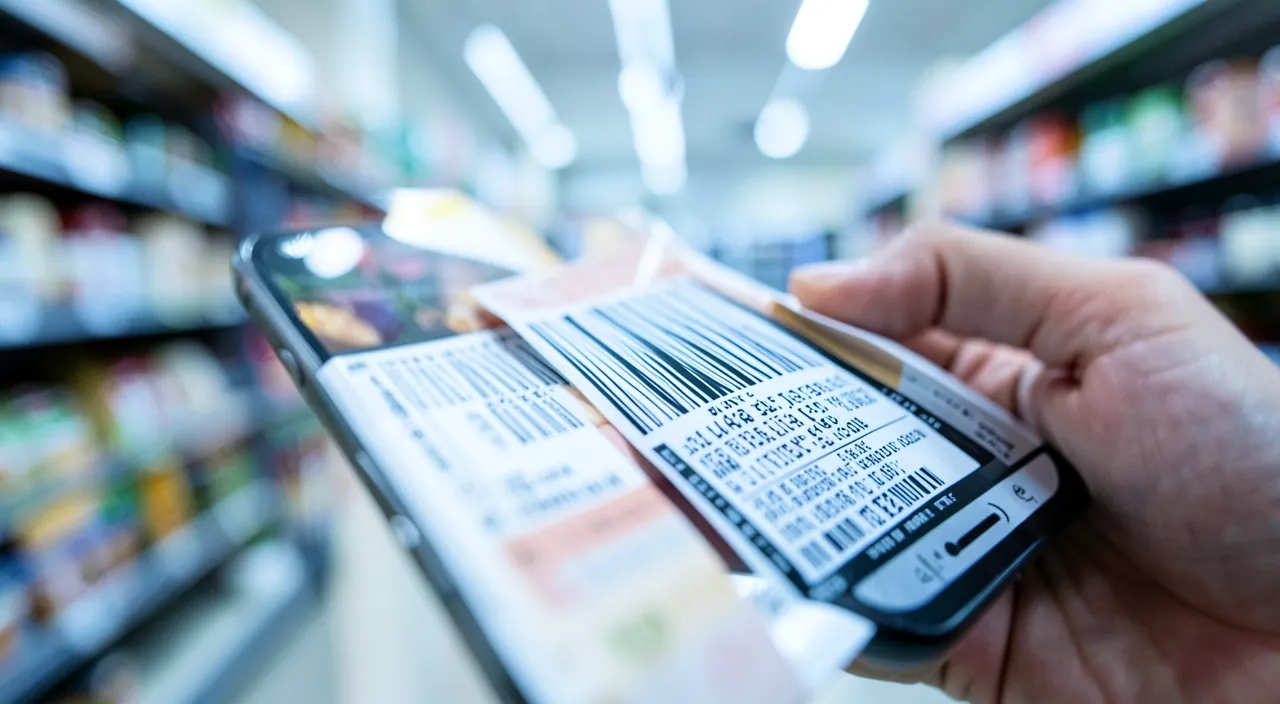
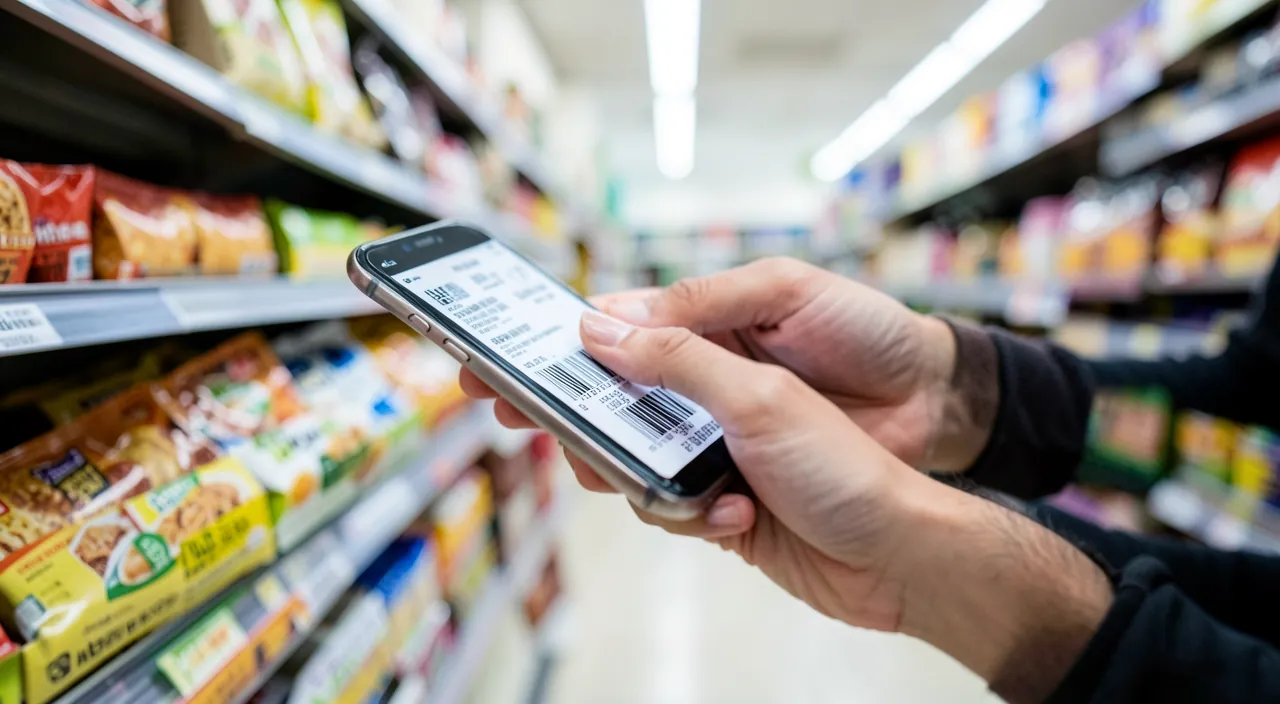
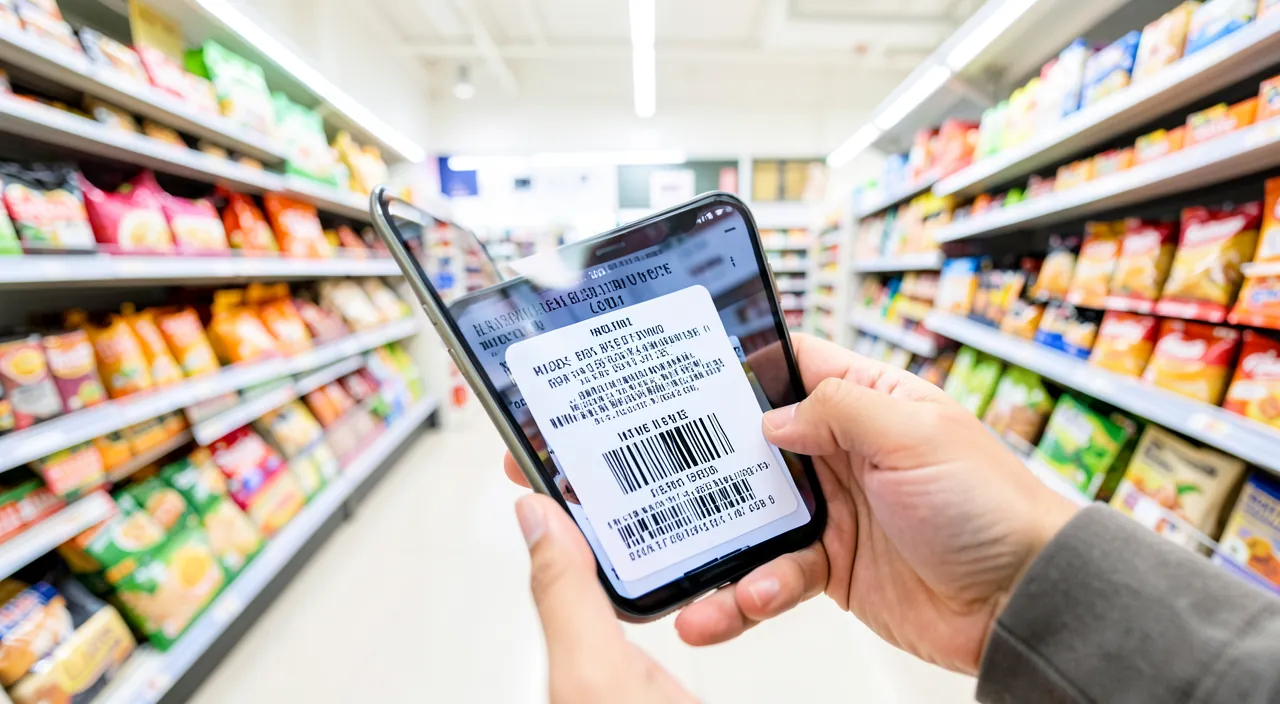
These apps turn your phone into a shopping assistant. **THE PRINCIPLE**: you scan the **BARCODE** of a product with the camera; the app recognizes it in its database and immediately displays an analysis of its composition and nutritional quality, in an easy-to-understand format. What you usually get: a **SCORE** or an overall **GRADE** (often a letter or color, from green to red) summarizing the nutritional quality; the **DETAILS** of the pros and cons (too much sugar, too much salt, too much saturated fat, or conversely rich in fiber, protein); the presence of **ADDITIVES** and an indication of which to watch out for; the degree of **PROCESSING** of the product; and often **ALTERNATIVES** with better ratings in the same category. **WHAT IT’S FOR**: to **UNDERSTAND** at a glance what a product is worth, without deciphering the label yourself; to **COMPARE** two similar products easily to choose the best one; to **SPOT** overly sugary, salty, or additive-packed products; to **DISCOVER** healthier alternatives; and, over time, to better **KNOW** what you eat and make more informed choices. **FOR WHO**: for anyone who wants to eat healthier without in-depth nutrition knowledge; it’s especially useful for people mindful of their diet, those with restrictions (watching salt, sugar), or simply the curious. **LIMITATIONS** to keep in mind (we’ll come back to them): these scores are useful but simplified **INDICATORS**; they don’t replace personalized medical or dietary advice, and a good diet isn’t just about scores. The key idea: a nutritional scanning app lets you instantly evaluate a product’s nutritional quality by scanning its barcode with your phone—a score, the pros and cons, additives, and often healthier alternatives. It’s a valuable tool for making smarter choices at the supermarket, understanding what you eat, and easily comparing products, without being an expert. Provided you see it as a decision-making aid, not an absolute verdict: scores simplify a complex reality, and a balanced diet ultimately relies on variety and common sense.
These apps give you a quick grade for food by scanning its barcode. They show you if it’s too sugary, salty, or full of additives. The grade helps you compare products and pick healthier options. But it’s not perfect—it’s just a starting point, not a strict rule for what you should eat.
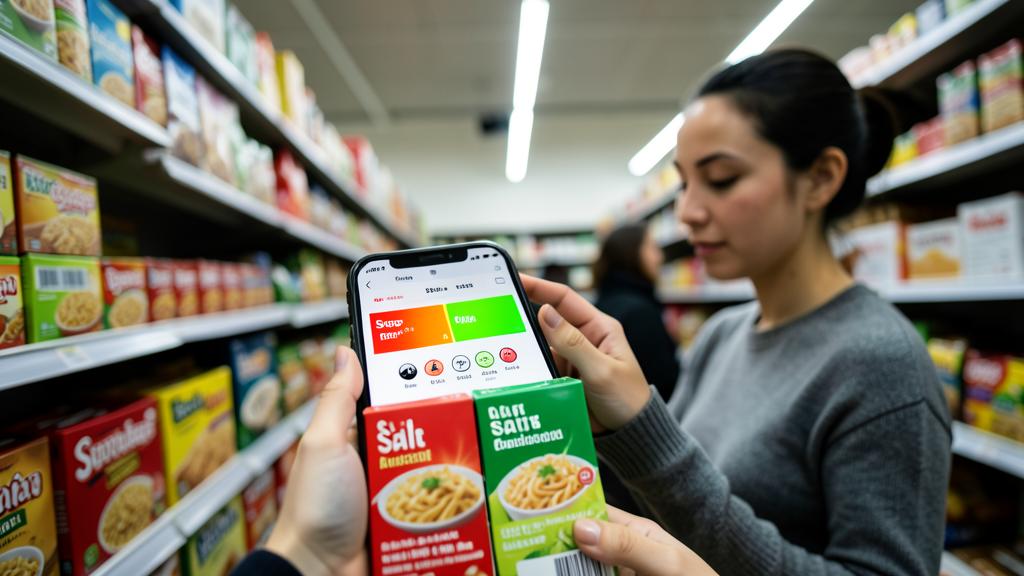
Imagine you’re choosing between two breakfast cereals. You scan both with the app. The first gets a red grade (bad) because it has 30% sugar. The second gets a green grade (good) with only 10% sugar and more fiber. The app also suggests a third option with even better ratings. In seconds, you’ve made a smarter choice without reading tiny labels.
How to use a scanning app daily
These apps are easy to use; here’s how to make the most of them. **CHOOSE** an app—several nutritional scanning apps exist, some very popular and free, often backed by communities or associations; install one from your phone’s app store (our guides on how to install an app safely). **ALLOW** the camera—the app needs access to the camera to scan barcodes; grant this permission (it’s how it works). **SCAN** a product—in the app, start the scan and aim at the product’s barcode; in one second, the analysis appears; it’s that simple. **READ** the score and details—look at the overall grade (color, letter), then the details: what’s dragging down or improving the score? Too much sugar? Additives? That’s where you learn. **COMPARE**—the most useful feature: hesitating between two similar products? Scan both and compare their scores and compositions; you choose the best one knowingly. **EXPLORE** alternatives—many apps suggest better-rated products in the same category; a way to discover better options. **USE IT TO LEARN, NOT TO STRESS**—the goal is to better understand what you eat and make better choices overall, not to obsessively track every product; see it as a gradual learning process. **Don’t SCAN EVERYTHING**—no need to scan every item; focus on categories where it matters (processed foods, where differences are big); raw products (vegetables, fruits) don’t have barcodes and are, anyway, good choices. **CROSS-CHECK WITH YOUR COMMON SENSE**—a score is just an indicator; combine it with your judgment (a product may be well-rated but not suit you, or vice versa). **BEWARE OF DATA**—some apps collect data on your scans; check the privacy policy and prefer respectful apps (our guides on protecting your privacy on your phone). In short: choose an app, allow the camera, scan products to read their score and composition, compare similar products, explore healthier alternatives, and use it as a learning tool to eat better—without making it an obsession, and keeping your common sense.
**The right way to use it.** The best time to use a nutritional scanning app is when you **HESITATE** between several similar products. Take the cereal, yogurt, ready meals, cookie, or sauce aisle: at first glance, the packaging looks alike, all boasting their qualities, and it’s almost impossible to guess which is actually the best for your health. That’s exactly where scanning works wonders: scan two or three competing products, compare their scores and especially the **DETAILS** (this one is too sugary, that one contains a lot of additives, the third is richer in fiber), and you choose knowingly in a few seconds, something you wouldn’t have been able to determine alone by reading the labels. Make it a **REFLEX** in processed food categories, where the quality gaps between brands are the biggest: that’s where scanning adds the most value. Conversely, don’t waste time scanning raw products: fruits, vegetables, legumes, fresh fish often don’t have barcodes and are, anyway, excellent choices—the common sense is enough. Another good use: **LEARNING**. At first, scan the products you usually buy; you might discover that some of your « classics » are much sweeter or more processed than you thought, and the app will suggest alternatives. Little by little, you’ll memorize these lessons and need to scan less: you’ll instinctively know where to turn. That’s the ultimate goal: the app is a teacher, not a permanent crutch. Finally, keep the right measure: a good score is a good indication, but the essence of a healthy diet lies in simple principles that these apps don’t always measure—prioritizing minimally processed products, varying, cooking yourself when possible, and eating everything in moderation. See the scan as an ally to navigate the confusing world of processed foods, not as the sole arbiter of what’s good for you.
Limits and the necessary perspective
These apps are useful, but they have limits you should know to use them well. **SIMPLIFIED SCORES**: a score summarizes a complex nutritional reality in a grade (or color); it’s useful for orientation but necessarily reductive; two products with the same grade can be very different, and a score doesn’t say everything about a food’s quality. **NOT MEDICAL ADVICE**: these apps don’t replace a doctor’s or dietitian’s advice, especially if you have specific needs (special diet, pathology, allergy); for any health question, consult a professional; the app is a general aid, not personalized advice. **CONTEXT MATTERS**: a « poorly rated » food isn’t forbidden; it’s all about quantity, frequency, and overall balance; an occasional treat has its place in a balanced diet; don’t demonize products solely based on a score. **ANXIETY RISK**: some people develop an anxious or guilty relationship with food by overanalyzing scores; that’s not the goal; keep pleasure and serenity in your diet. **PERFECTIBLE DATABASES**: the information comes from sometimes community- or brand-fed databases; they may contain errors, missing products, or outdated data; an unrecognized product isn’t necessarily bad. **VARIABLE RATING METHODS**: each app has its own rating logic; the same product can be rated differently depending on the app; these aren’t absolute truths. **DATA ISSUE**: some apps collect information on your scans and habits; read the privacy policy and prefer apps respectful of your privacy. **DON’T FORGET THE ESSENTIAL**: a good diet isn’t just about scanning processed foods; it’s based on simple principles (varying, prioritizing raw and homemade, moderating) that these apps don’t measure; the best « product » is often the one without a barcode. **KEEP YOUR COMMON SENSE**: the app enlightens your choices, it doesn’t dictate them; always cross its indications with your judgment and needs. In short: these apps offer useful but simplified scores, which don’t replace medical advice, context, or common sense; their databases are perfectible and their ratings variable; beware of developing food anxiety or neglecting the essential (varying, prioritizing the minimally processed); and be mindful of your data. Well used, with perspective, they’re excellent tools; taken as absolute truths, they can mislead.
**Warning: a nutritional score is a useful indicator, not a verdict—it doesn’t replace a healthcare professional’s advice or your common sense.** That’s the most important point to remember. These apps provide a real service by simplifying complex information, but this simplification has a downside: reducing a food to a letter or color erases a multitude of nuances. A « poorly rated » product isn’t a poison to ban, and a « well-rated » product isn’t necessarily ideal for **YOU**: it all depends on quantity, frequency, your health status, and the overall balance of your diet. An occasional square of chocolate or piece of cake has its place in a balanced life, even if their score is poor; conversely, a « green » product consumed in excess isn’t virtuous. First pitfall to avoid: don’t turn these scores into dogma, and above all don’t let the scan generate **ANXIETY** or guilt around food; eating should remain a source of pleasure and serenity, not a constant test. Second crucial point: these apps **IN NO WAY** replace medical or dietary advice. If you have a pathology, allergy, prescribed diet, or simply questions about your diet, consult a doctor or dietitian: they alone can give you personalized and reliable advice, tailored to your situation; a generic score, calculated for everyone, can’t. Third reservation: the databases aren’t infallible; partly fed by communities or brands, they may contain errors, outdated information, or missing products; and each app applies its own rating method, so the same product can receive different scores from one app to another; these aren’t absolute truths. Finally, be mindful of your **PERSONAL DATA**: some of these apps collect information on what you scan and your consumption habits; read the privacy policy and prefer those that respect your privacy. Used as a decision-making and learning tool, with perspective and common sense, a nutritional scanning app is an excellent ally for eating better; turned into the absolute judge of your diet, it risks misleading and stressing you. Keep control: it’s you, enlightened by the tool and professionals, who decide.
Frequently asked questions
Are these food scanning apps free?
Many are, yes, at least for their essential functions; that’s one of the reasons for their popularity. Several of the most well-known nutritional scanning apps are **FREE** for basic use—scanning a product, getting its score and composition, comparing, discovering alternatives—and some are even backed by associations or volunteer communities, with a mission to inform the public rather than make a profit. So, in many cases, you can enjoy the essentials without paying. That said, a few nuances: some apps offer **PAID ADVANCED FEATURES** (more in-depth analyses, personalized tracking, no ads, premium features) on a subscription or optional purchase model; the basic use remains often sufficient for the vast majority of users. Also, « free » doesn’t always mean « no strings attached »: some free apps are funded by ads or data exploitation; that’s why it’s good to check the privacy policy and prefer transparent and privacy-respecting apps (apps backed by non-profit associations are often a good benchmark in this regard). A tip: start with a free and recognized app; test it; it will probably cover all your needs; only move to a paid version if you feel the need for specific features. In short, yes, most of these apps offer their essential functions for free, sometimes with paid options; choose a recognized and data-respecting one, and you’ll enjoy the essentials without spending.
Can you trust the displayed scores?
Trust them **MEASUREDLY**: they’re good indicators for orientation and comparison, but not absolute truths; the ideal is to use them as an aid, keeping your critical thinking. Here’s how to gauge this trust. What the scores do **WELL**: they provide a quick and generally reliable indication of the nutritional quality of a processed product, very useful for comparing two similar products and spotting excesses (sugar, salt, additives) at a glance; in this regard, they provide a real service and generally guide you in the right direction. What to **RELATIVIZE**: a score is a **SIMPLIFICATION** of a complex reality; it’s calculated according to a given method (which varies from one app to another, so the same product can have different scores), it doesn’t take into account **YOUR** specific needs, and it doesn’t say everything about a food; also, the databases may contain errors. So, don’t take a score as a final judgment or submit to it blindly. The right attitude: use the score as a starting point, then look at the **DETAILS** (often more instructive than the overall grade); cross-check with your common sense and needs; and remember that the context (quantity, frequency, overall balance) matters as much as the score of an isolated product. For any important health question, trust a professional (doctor, dietitian) rather than an app. In short, yes, you can rely on the scores to make more informed choices—they’re useful and generally reliable for comparison—but with discernment: they’re simplified indicators, with variable methods, which don’t replace context, your specific needs, or professional advice. Measured trust and critical thinking: that’s how to get the best out of them.
Does the scan work on all products?
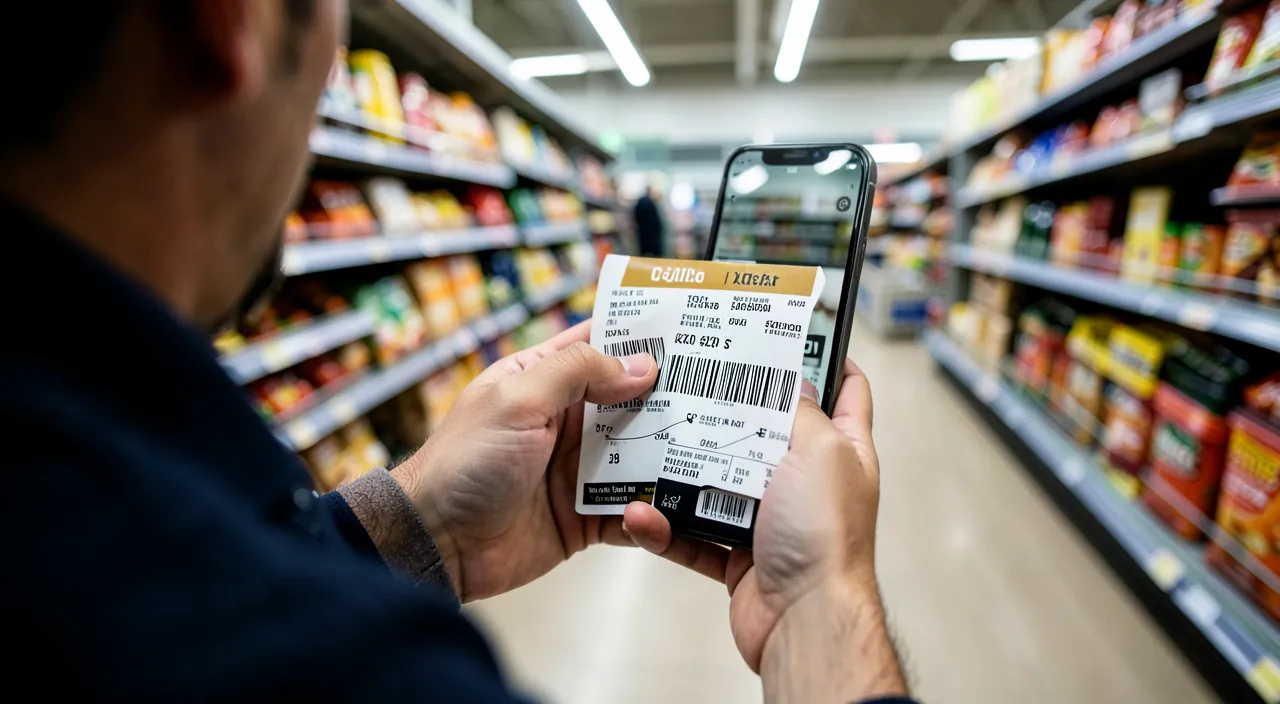
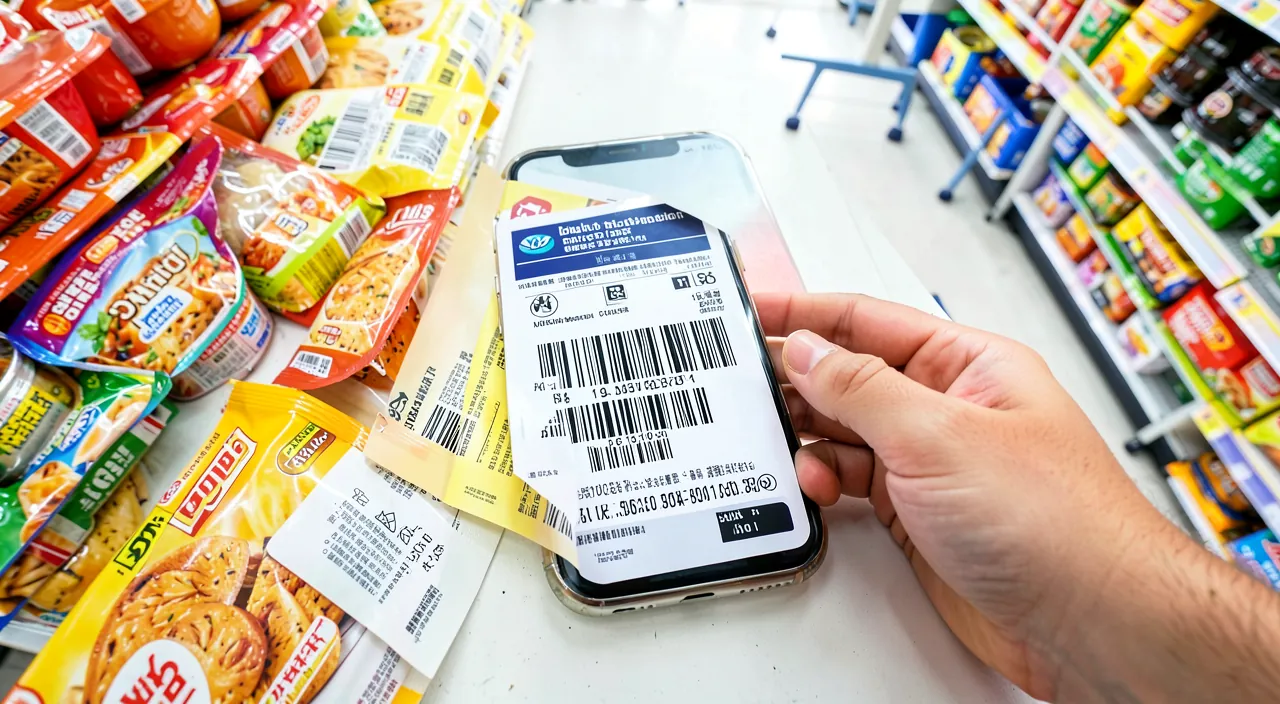
No, not on all: the scan relies on the barcode and a database, which implies two conditions and therefore some limits. Here they are. You need a **BARCODE**: the scan reads the product’s barcode; it therefore works for packaged products that have one (the vast majority of supermarket processed foods); on the other hand, **RAW** and bulk products—fruits, vegetables, sliced bread, market products, fresh fish—often don’t have a barcode and therefore can’t be scanned; that’s not a problem: these unprocessed products are generally excellent choices, which common sense is enough to validate. The product must be in the **DATABASE**: even with a barcode, the app can only analyze the product if it’s in its database; the databases are very extensive and cover most common products, but it happens that a product—recent, regional, from a small brand, or foreign—isn’t recognized; in this case, the app sometimes lets you add the product yourself (in community apps), which enriches the database for everyone. Other cases: a damaged or poorly scanned barcode can fail (try again, aiming well, with good lighting); and the data of a recognized product can sometimes be incomplete or outdated. In short, the scan works for the vast majority of packaged products with a barcode and present in the database—that is, most processed foods, where the tool is most useful—but not for raw products without a barcode (which are good choices by nature) or for the rare products missing from the database. So, it’s not a problem: where the scan doesn’t work, it’s often because you don’t need it.
What to remember
A nutritional scanning app turns your phone into a shopping assistant: by scanning a product’s barcode with the camera, you instantly get a clear evaluation of its nutritional quality—a score easy to read, the details of the strengths and weaknesses (sugar, salt, additives, degree of processing), and often healthier alternatives. It’s a valuable tool for making smarter choices at the supermarket without being a nutrition expert: its most useful use is to **COMPARE** two similar products (where labels alone don’t help decide) and to **LEARN**, over time, what the products you buy are really worth. In practice: choose a recognized and data-respecting app (many are free for the essentials), allow the camera, scan, read especially the details (more instructive than the overall grade), compare, and explore alternatives. Focus on processed foods, where the differences are big; raw products (fruits, vegetables) don’t have barcodes and are good choices by nature. But keep the right perspective, because it’s essential: a score is a **USEFUL** but **SIMPLIFIED** indicator, not an absolute verdict. It doesn’t replace the context (it’s all about quantity, frequency, and overall balance—a occasional treat has its place), a professional opinion (for any health question, a doctor or dietitian, never an app), or your common sense. Beware of developing food anxiety by overanalyzing scores: eating should remain a pleasure. The databases are perfectible and the rating methods vary from one app to another; these aren’t absolute truths. And never forget the essential, which these apps don’t measure: a good diet is based on simple principles—varying, prioritizing the minimally processed and homemade, moderating. Finally, be mindful of the confidentiality of your consumption data. Used as a decision-making and learning aid, with discernment, a nutritional scanning app is an excellent ally for eating better; provided you keep control and remember that it’s you, enlightened by the tool and professionals, who decide what’s good for you.
Want to go further with your phone and apps? Our practical training is made for you.
Leave a Reply
You must be logged in to post a comment.