
Forty minutes scrolling through catalogs to eventually rewatch a known episode: the paradox of choice has killed more evenings than bad movies—too many options, five platforms, and no one knows what to watch, where, or where they left off. Tracking apps solve the triad: the watchlist that captures fleeting desires, the “which platform is it on?” resolved in two seconds, the history that picks up each series at the right episode—and the cinephile’s journal that refines tastes. The guide for the organized viewer, from the indecisive couple to the long-term series fan.
The watchlist: capturing desires before they vanish
The root problem of “what to watch”: desires are born EVERYWHERE (the trailer, the lunch conversation, the article, a friend’s recommendation) and die before the couch—the single watchlist saves them: dedicated tracking apps (the genre’s references—community-driven or practical) where EVERY desire is noted in ten seconds (the film mentioned at lunch added under the table—the reflex of our note-taking guides applied to cinema: immediate capture or forget), and by evening, you no longer SEARCH—you CHOOSE from your own list (the reversal that saves evenings: ten pre-validated desires beat ten thousand possibilities); the useful enhancements—the filterable list (the “under 1h 40 comedy” desire of the tired Tuesday evening—the forgotten criterion of evening choices), the notes on where the desire came from (“recommended by Marc”—the context that helps choose AND thank), and the SHARED list for couples or families (the common watchlist where everyone contributes—the match of crossed desires: some apps even offer the “vote” mode that matches shared desires, the couch’s Tinder that ends negotiations); and the maintenance discipline—the list is purged (the 2023 desire that no longer appeals is deleted without remorse—the watchlist is a menu, not a debt: our list guides apply here too).

“Where is it?”: the engine that searches all catalogs
The second plague resolved: the availability search—tracking apps and dedicated engines indicate WHERE each title is available (included in YOUR subscriptions? for rent? free with ads? nowhere?): the key setting—YOUR declared platforms (the app then filters based on your reality: the watchlist that displays “available at your place” turns the evening choice into a daily menu); the cost-saving uses—comparing one-time rentals to additional subscriptions (the one-off film at €3.99 vs. the fifth subscription—our rotation guides: the watchlist filtered BY platform also says when a subscription is worth its month—“seven titles from my list are on X: I’ll take X this month, then cancel”—the tracking app is the tool for managing rotations, the duo that splits bills), the availability alerts (the unavailable film that ARRIVES on one of your platforms—the notification that replaces recurring checks), and the free content spotted (catalogs with ads and replays—our guides: the engine indexes them too—the half of watchlists that can be watched without spending an extra euro); and the family angle—availability + age (displayed ratings—the family film choice validated BEFORE the general installation on the couch: our children’s profiles guides take over on screen).
Tracking apps help you find what you want to watch quickly. They show you where a movie or show is available, whether it’s free or needs a subscription, and even alert you when something you’ve been waiting for becomes available. This way, you don’t waste time searching and can just enjoy your evening.
You’ve been wanting to watch *The Godfather* but can’t remember if it’s on Netflix or Amazon Prime. A tracking app can instantly tell you it’s on Amazon Prime, so you can start watching right away without searching through multiple platforms.
The right reflex. Keep a viewing journal—the underrated feature of tracking apps: each film watched is marked (two seconds) with a quick note: the cascading benefits—NEVER AGAIN the “have we already seen this?” at twenty minutes into the film (the couple who lost evenings to this game will understand), pleasant statistics (your year in films—the December recap that tells a story), refined recommendations (community apps suggest based on YOUR notes—the algorithm that works for you, not a platform: the difference in our guides), and recovered memory (“what was that great film from two years ago?” finally has an answer): the cinephile isn’t the one who sees everything—it’s the one who remembers what they loved.
Long-running series: never losing the thread again
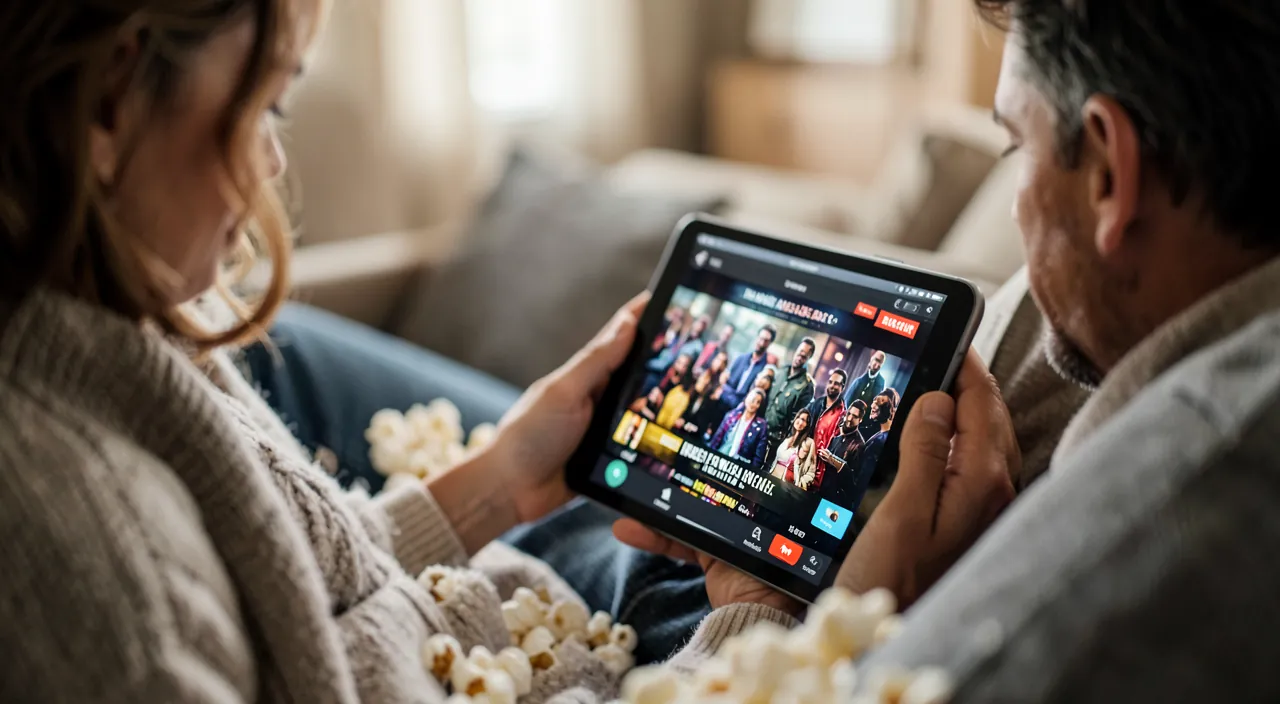
Series tracking is a full-time job: the exact episode—apps check episode by episode (the series paused for six months resumed AT THE RIGHT SPOT—the end of “where were we?” and rewatching an entire episode to catch up), multi-platform (the series started on X finished on Y—the tracking survives catalog migrations, THE weak point of platform histories); the tracked releases—alerts for new episodes and seasons (the season 3 expected for two years that comes out WITHOUT you learning by chance—the notification on day one: the service platforms provide poorly, buried in their promos), the release calendar for YOUR series (the weekly grid that replaces aimless browsing); the deliberate choices—official abandonment (the series marked “abandoned” without guilt—our sobriety guides: the series that doesn’t work by episode 4 won’t, and the “in progress” list that lies discourages), the dated pause, and the deliberate rewatch (the comfort of the familiar is a legitimate choice—mark it too, the statistics will know you better); and the well-dosed social aspect—community reviews AFTER watching (reviews spoil—the discipline: the overall rating before, the reviews after), spoilers managed (serious apps mask them—and the social rule: we don’t tell the ending, even six months later: each person’s pace is the civility of series), and recommendations from REAL friends (the film recommended by someone who knows you beats all algorithms—the watchlist annotated “recommended by” honors and maintains these conversations).
Better choices, better viewing: the sharp viewer
Beyond organization, quality: the cross-referenced notes—the single note lies (averages are read by connoisseurs: the press rating AND the public rating—their gaps inform, the season curve for series—the one that collapses in season 4 saves fifteen hours), and YOUR past notes as the best compass (the app that knows you over-rate Nordic thrillers knows you); the trailers in moderation (those that spoil the entire film—the maximum one minute, or blind trust in good sources: the film approached fresh is often the best experienced); the rehabilitated cinema experience—theater apps and unlimited cards (our guides’ calculation—two sessions per month make it worthwhile), event screenings (the restored classic, the premiere), and the theater as ANTIDOTE to the paradox of choice (one film, a fixed time, no pause or phone—the experience the couch can’t replicate: the cinema outing is also an attention hygiene, our guides); and the protected evening—the film chosen BEFORE sitting down (the watchlist, again—the decision while standing: the couch decides poorly), the phone placed far away (the film scrolled through isn’t watched—the “cinema” focus mode of our guides), and the credits respected (the minute of decompression that makes the difference between consuming and having seen): the organization of choice was just the means—WATCHING REALLY is the end.
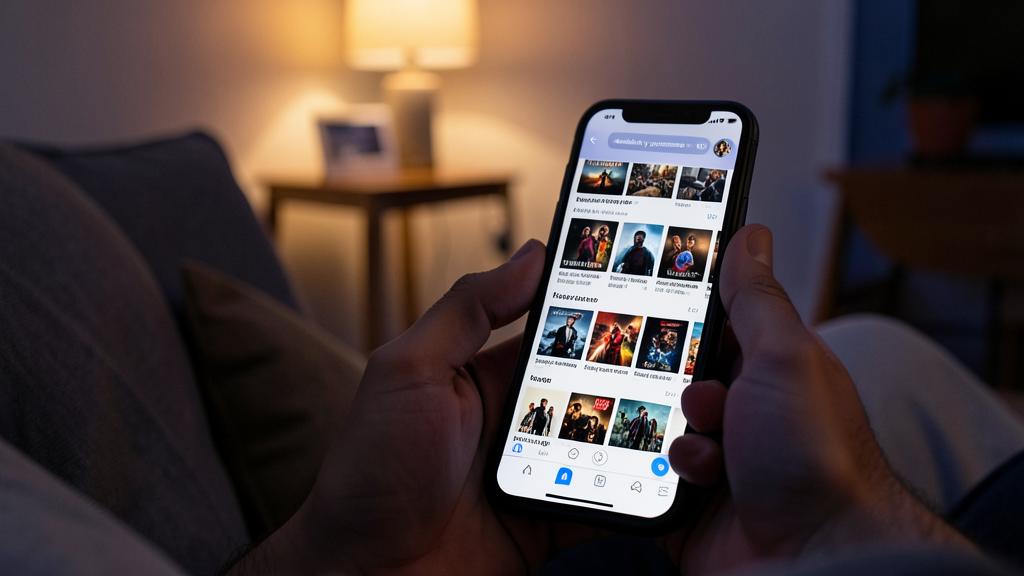

Beware of your taste data—and the sirens of always-more. Two spectator vigilances: your histories reveal a lot (tastes, times, moods—the platforms live off them: our guides—and third-party tracking apps also have a data policy: some community profiles are PUBLIC by default, exposing your couch life—the visibility setting is worth visiting, the journal can be private); and the tracking that becomes a race—gamified statistics push for volume (the year’s film counter, the challenges—fun until the day you watch FOR the counter: our pedometer guides apply to the couch—the journal serves memory and choice, not performance: the year with forty loved films beats the year with two hundred checked). The tool disciplines choice—keep it in its place: the closing credits don’t need to be a spreadsheet line.
Frequent questions
Which app to choose to start?
One, and quickly: community references (the social journal of cinephiles) or practical ones (the availability tracker) depending on your priority—tastes and memory, or platform logistics (many end up with both: the journal for the heart, the tracker for the couch). The deciding criterion: the possibility to export your data (years of journal deserve portability—our guides).

The couple with incompatible tastes: a solution?
Three tools: the COMMON watchlist (titles validated by both—the reservoir of couple evenings), the match mode offered by some apps (each votes blindly, the app reveals the common ones), and the assumed alternation (one’s film, the other’s film—with the good faith clause: we REALLY watch the other’s). And the third evening exists: each with their own screen and headphones is a perfectly honorable conjugal right.
How to manage children who want to “choose for hours”?
The children’s version of the paradox of choice is treated the same way: the pre-filled CHILD watchlist (films validated by you, chosen by them—the choice within a framework: three options tonight, not three hundred), the weekly film ritual (chosen on Wednesday, watched on Saturday—the anticipation that’s part of the pleasure), and autoplay turned off (our guides: the episode ending that remains an ending). Family cinema is educated like the rest—by the framework that makes choice joyful.

What to remember
The paradox of choice dissolves into three tools: the watchlist that captures fleeting desires (unique, filterable by duration, shared as a couple—the evening choice is from YOUR list, no more searching), the availability engine that answers “where is it?” (your declared platforms, arrival alerts—and managing subscription rotations: the tracking app is the tool that splits bills), the journal and episode tracking that restore memory (the right episode resumed, tracked releases, deliberate abandonments, your notes as a taste compass). Plus the spectator’s hygiene: choosing while standing, putting the phone away, respecting credits and no spoilers—and keeping the counter in its place. Forty minutes of scrolling against ten seconds of watchlist: the movie evening now starts at lunch, when the desire is born—and it ends in front of a film you really wanted to watch.

Want to go further with your phone and apps? Our practical training is made for you.
Leave a Reply
You must be logged in to post a comment.