
« Your package is pending, click here to track it », « Your bank account has been blocked », « You have a fine to pay »: these SMS messages that urge you to click on a link are one of the most common scams today. They are called « smishing » — phishing via SMS. Their goal: to steal your personal or banking information by making you click and enter your data on a fake site. Good news: a few simple reflexes allow you to recognize them and never fall into the trap. Here’s how to identify a fraudulent SMS and react correctly.
What is smishing and how does it work
« Smishing » is an SMS scam: it’s phishing that uses text messages as bait. The principle: you receive an SMS pretending to be from a trusted organization (courier, bank, administration, operator) and urging you to CLICK on a link, under an urgent or alarming pretext. The link leads to a FAKE SITE, imitating the organization’s, where you are asked to enter your INFORMATION (credentials, banking details, personal data) — which the scammers recover. Sometimes, the link also tries to install malicious software. The most common PRETEXTS: a PENDING PACKAGE (to track, with « small fees » to pay) — extremely common; a BANKING PROBLEM (blocked account, suspicious transaction, to « confirm »); a FINE or debt to pay (taxes, parking); a problem with an ACCOUNT (to « reactivate », password to « confirm »); a refund or WINNING to claim; a message from the OPERATOR, Social Security, etc. Why does it work? Because scammers play on psychological LEVERS: URGENCY (act fast, or else), FEAR (blocked account, fine), BAIT (a win, a refund), and CREDIBILITY (the message imitates a known organization, sometimes very well). An SMS seems harmless, you are often in a hurry or distracted, and the message appears legitimate: the trap is effective. What you need to understand: a SERIOUS organization will NEVER ask you, via an SMS with a link, to enter your credentials or banking details in a hurry; that’s exactly the sign of a scam. Smishing relies on your impulsive reaction: one click, one entry, and your data is stolen. The key idea: smishing is a fraudulent SMS that imitates a trusted organization to make you click on a link and enter your information on a fake site; it plays on urgency, fear, and bait. Knowing it is already protecting yourself: when faced with an SMS urging you to click, the right reflex is not to obey, but to BE WARY — because it’s almost always a trap.
Smishing is a scam where criminals send fake text messages pretending to be from companies you trust. They want you to click a link and enter personal details like passwords or bank info. The link leads to a fake website that looks real. The scam works because the messages create a sense of urgency or excitement, making people act without thinking. Real companies will never ask for sensitive information this way.
You receive an SMS saying “Your DHL package is pending. Click here to pay 1.99€ in customs fees.” The link looks like dhl-tracking.com but is actually dhl-track1ng.com (note the extra “1”). When you click, you’re taken to a fake DHL page where you enter your credit card details. The scammers now have your payment information. Real couriers would never ask for fees this way via SMS.
Recognizing a fraudulent SMS and reacting
Here’s how to spot smishing and react correctly. The WARNING SIGNS of a fraudulent SMS: A LINK to click — the core of the scam; be wary of any SMS asking you to click on a link, especially to enter information. An URGENT or THREATENING tone — « act now », « last chance », « account blocked », « within 24 hours »: pressure is a classic scam signal. A request for SENSITIVE INFORMATION — credentials, password, banking details, personal data: a serious organization never asks for these in this way. A pretext that’s too GOOD or too alarming — an unexpected win, a refund, or an imminent disaster. A WEIRD link address — the link doesn’t match the organization’s real site (strange address, misspelled, unusual domain). MISTAKES or strange phrasing (though some are very well-crafted). A DUBIOUS SENDER — an unusual number, or a message from an organization you weren’t expecting (a package you didn’t order!). How to REACT: DO NOT CLICK on the link — that’s the golden rule; never click on a link from a suspicious SMS. Do not enter ANY information — never credentials or banking details after an SMS. VERIFY through another channel — doubt about a real package, a real banking issue? Contact the organization through its OFFICIAL means (its website that you type yourself, its app, its known number), NEVER via the SMS link or number; you’ll see the SMS was fake. DELETE the message — once identified as a scam. REPORT it — you can report fraudulent SMS (there are dedicated reporting systems; your operator also offers them), which helps fight these scams. If you have CLICKED or ENTERED information — act fast: change the affected passwords, contact your bank if you provided banking details (to block/monitor), and monitor your accounts (our guides on what to do after a scam, stolen password). A few TIPS: in DOUBT, don’t click and verify elsewhere (the reflex that saves you); be wary EVEN if the message seems credible (scammers imitate very well); don’t call the numbers indicated; and talk about it with others (less informed loved ones are targets — our guides on protecting loved ones from scams). In summary, recognize smishing by its signals (link, urgency, request for sensitive info, pretext too good or alarming, weird link), and react with the golden rule: DO NOT CLICK, don’t enter anything, verify through an official channel, delete and report. When faced with a pressing SMS, suspicion is your best protection.
- Never click on links in suspicious SMS
- Never enter sensitive information after receiving an SMS
- Verify through official channels (website, app, known phone number)
- Delete the message after identifying it as a scam
- Report the fraudulent SMS to your operator or authorities
- Act fast if you’ve already clicked or entered information
The right reflex. When faced with any SMS urging you to CLICK on a link — pending package, blocked bank account, fine to pay, winnings to claim — apply an absolute golden rule: DO NOT CLICK, and never enter credentials or banking details. Remember this principle that foils almost all of these scams: a serious organization (bank, administration, courier) will NEVER ask you, via an SMS with a link, to confirm your data in a hurry; this urgent request IS the sign of a scam. The warning signals to spot: a link to click, an urgent or threatening tone (« within 24 hours », « account blocked »), a request for sensitive information, a pretext too good (a win) or too alarming, a weird link address, and sometimes mistakes — but be wary EVEN if the message seems credible, as scammers imitate real organizations very well. If in doubt about a real package or a real banking issue, VERIFY through another channel: contact the organization via its official means (its website that you type yourself, its app, its known number), NEVER via the SMS link or number; you’ll see the message was fake. Then delete it, and report it (dedicated systems exist, your operator too). If you unfortunately clicked and entered information, act FAST: change the affected passwords, contact your bank if you provided banking details, and monitor your accounts. Finally, talk about it with others: your less informed loved ones (often the elderly) are targets, and warning them protects them. Not clicking, not entering anything, verifying through an official channel: these three reflexes are enough to never fall for the smishing trap.
Protecting yourself durably from SMS scams
Beyond reacting to a specific SMS, a few habits and good understanding protect you durably. Adopt a DEFAULT SUSPICION: consider any unsolicited SMS asking you to click or provide information as suspicious UNTIL PROVEN OTHERWISE; this cautious reflex is your best defense (better to verify a real message than fall for a fake one). Know the COMMON PRETEXTS: package, bank, fine, refund, account to reactivate; recognizing them is how you foil them; scammers constantly recycle the same tricks (sometimes using current events as a pretext: deliveries during holidays, taxes during filing season…). NEVER click by reflex: take the time; the displayed urgency is a trap designed to make you act without thinking. ALWAYS verify through an official channel: that’s THE decisive action — a real package, a real banking issue are verified on the official website or app (never via the SMS). SECURE your accounts in advance: two-factor AUTHENTICATION protects your accounts even if a password is stolen (a precious barrier); strong and unique passwords limit the damage (our guides on two-factor authentication, managing passwords well). MONITOR your bank accounts: regular checks allow you to quickly spot a suspicious transaction. REPORT and delete fraudulent SMS: reporting helps collective efforts. PROTECT your loved ones: explain smishing to less informed people in your circle (elderly, young people); they are prime targets, and your education can prevent a scam for them (our guides on protecting loved ones). In summary, smishing (SMS scam) imitates a trusted organization to make you click on a link and enter your information on a fake site, playing on urgency, fear, and bait. Protection relies on simple reflexes: DO NOT click on links in suspicious SMS, NEVER enter credentials or banking details this way, VERIFY any doubt through an official channel (never via the SMS), delete and report. Adopt default suspicion toward pressing SMS, know common pretexts, secure your accounts (two-factor authentication), monitor your statements, and protect your loved ones. Remember the golden rule: a serious organization never asks for your sensitive data via an SMS with a link in a hurry — that request IS the scam. When faced with a pressing SMS, suspicion and verification through an official channel keep you safe: smishing only works on those who click without thinking; by keeping your cool, you won’t fall into the trap.
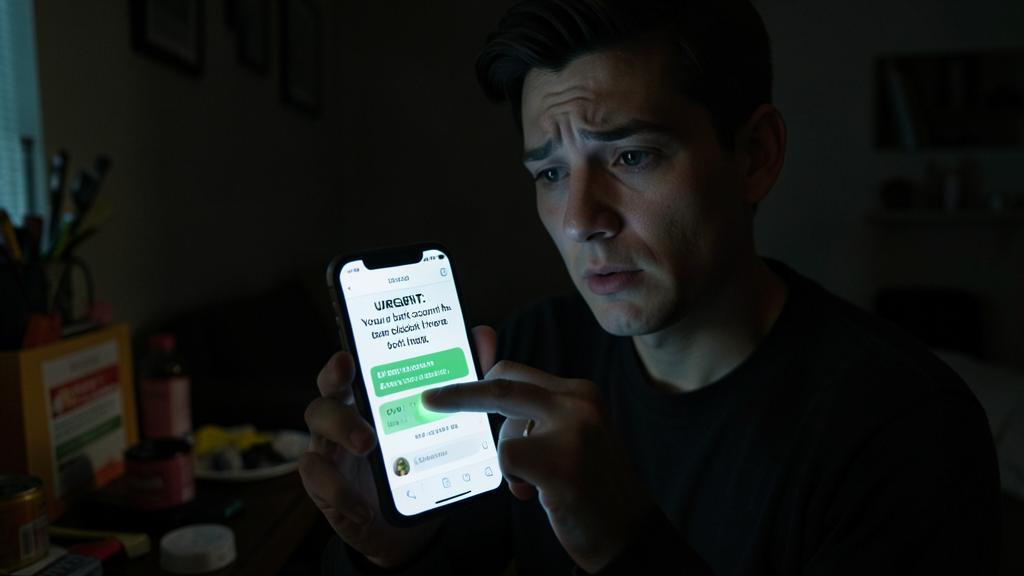
Warning: never click on links, don’t call the numbers, and be wary even of credible messages. Mistakes to avoid absolutely. CLICKING ON THE LINK — that’s the central trap of smishing: one click takes you to a fake site (or tries to install malicious software); NEVER click on a link received in a suspicious SMS, no matter the pretext (package, bank, fine); and NEVER enter credentials or banking details after an SMS. CALLING THE NUMBER or responding — don’t call the numbers indicated and don’t reply to the message: this can expose you further (surcharge, confirmation that your number is active, continuation of the scam); delete, don’t engage. TRUSTING THE APPEARANCE — don’t let yourself be reassured because a message « looks real »: scammers imitate organizations very well (logos, tone, phrasing), and a well-crafted message isn’t proof of legitimacy; this rule applies EVEN for credible messages: always verify through an official channel rather than trusting the appearance. Other traps: yielding to URGENCY (it’s manufactured to make you act without thinking — take the time), believing « I would never fall for it » (anyone can be tricked one day of distraction or fatigue), and NEGLECTING vulnerable loved ones (elderly, young people — they are targeted; warn them). If you’ve already clicked or entered information: don’t panic but act FAST — change the affected passwords, contact your bank if you provided banking details (to block and monitor), monitor your accounts, and report. Smishing only works on impulsive reactions: by never clicking on links, never entering your data, and always verifying through an official channel, you are safe. Suspicion isn’t paranoia: when faced with SMS scams, it’s simply common sense that protects you and your entourage.
Frequent questions
What is « smishing »?
It’s an SMS scam — phishing that uses text messages as bait. You receive an SMS pretending to be from a trusted organization (courier, bank, administration, operator) that urges you to CLICK on a link under an urgent or alarming pretext. The link leads to a FAKE site imitating the organization, where you are asked to enter your information (credentials, banking details, personal data), which the scammers recover. Common pretexts: a pending package (with « small fees »), a banking issue, a fine to pay, an account to « reactivate », a refund or winnings to claim. It works because scammers play on urgency, fear, and bait, and imitate real organizations well. The rule to remember: a serious organization will NEVER ask you to enter your sensitive data via an SMS with a link in a hurry; this urgent request IS the sign of a scam. Knowing smishing is already protecting yourself from it.
How to recognize a fraudulent SMS?
Several warning signs. The main one: a LINK to click, especially to enter information. An URGENT or THREATENING tone (« act now », « account blocked », « within 24 hours »). A request for SENSITIVE INFORMATION (credentials, password, banking details). A pretext too GOOD (a win, a refund) or too ALARMING (a fine, a disaster). A WEIRD link address (that doesn’t match the organization’s real site). Sometimes mistakes or strange phrasing. A dubious sender, or a message you weren’t expecting (an unordered package!). But beware: some fraudulent SMS are very well-crafted and credible; don’t rely only on appearance. The safest reflex: when faced with any SMS asking you to click or provide information, be wary by default, and VERIFY through an official channel (the organization’s website or app, never via the SMS). If in doubt, don’t click: it’s almost always a trap.
I clicked on the link of a fraudulent SMS, what should I do?
Don’t panic, but act FAST. If you only clicked WITHOUT entering anything: the risk is more limited; don’t enter any information on the opened site, close it, and check your device (as a precaution, verify no suspicious app was installed). If you ENTERED information: react according to what you provided. Account credentials? Immediately change the password of that account (and any other account where you used the same), and enable two-factor authentication. BANKING DETAILS? Contact your bank without delay (to block/monitor the card, report the fraud) and closely monitor your accounts. In general: monitor your accounts and statements in the following days (suspicious transactions), be wary of potential « follow-up » calls or messages (scammers sometimes chain), and report the scam. Anyone can be tricked in a moment of distraction: the important thing is to react quickly to limit the damage (our guides on what to do after a scam, stolen password). A quick reaction often makes all the difference.
What to remember
« Smishing » (SMS scam) is one of the most common frauds: an SMS imitates a trusted organization (courier, bank, administration) to make you CLICK on a link and ENTER your information (credentials, banking details) on a fake site, where scammers recover them. It plays on URGENCY, FEAR, and BAIT, with classic pretexts: pending package, blocked bank account, fine to pay, refund or winnings to claim, account to « reactivate ». The GOLDEN RULE that foils almost everything: a serious organization will NEVER ask you to confirm your sensitive data via an SMS with a link in a hurry — this urgent request IS the scam. Warning signals: a link to click, an urgent or threatening tone, a request for sensitive info, a pretext too good or too alarming, a weird link address; but be wary EVEN of credible messages (scammers imitate very well). The right reflexes: DO NOT CLICK on the link, NEVER ENTER credentials or banking details, VERIFY any doubt through an OFFICIAL CHANNEL (the organization’s website or app that you open yourself, never via the SMS), then delete and report the message; don’t call the indicated numbers and don’t respond. Protect yourself durably: adopt default suspicion toward pressing SMS, know common pretexts, secure your accounts in advance (two-factor authentication, strong passwords), monitor your bank statements, and especially WARN your less informed loved ones (elderly, young people — they are prime targets). If you clicked and entered information, act FAST: change the affected passwords, contact your bank for banking details, monitor your accounts. Smishing only works on impulsive reactions: by never clicking on links, never entering your data, and always verifying through an official channel, you — and your entourage — stay safe. When faced with a pressing SMS, suspicion isn’t paranoia, it’s protective common sense.
Doubts about your security, a device to check or clean up? Our support service guides you step by step.
Leave a Reply
You must be logged in to post a comment.