
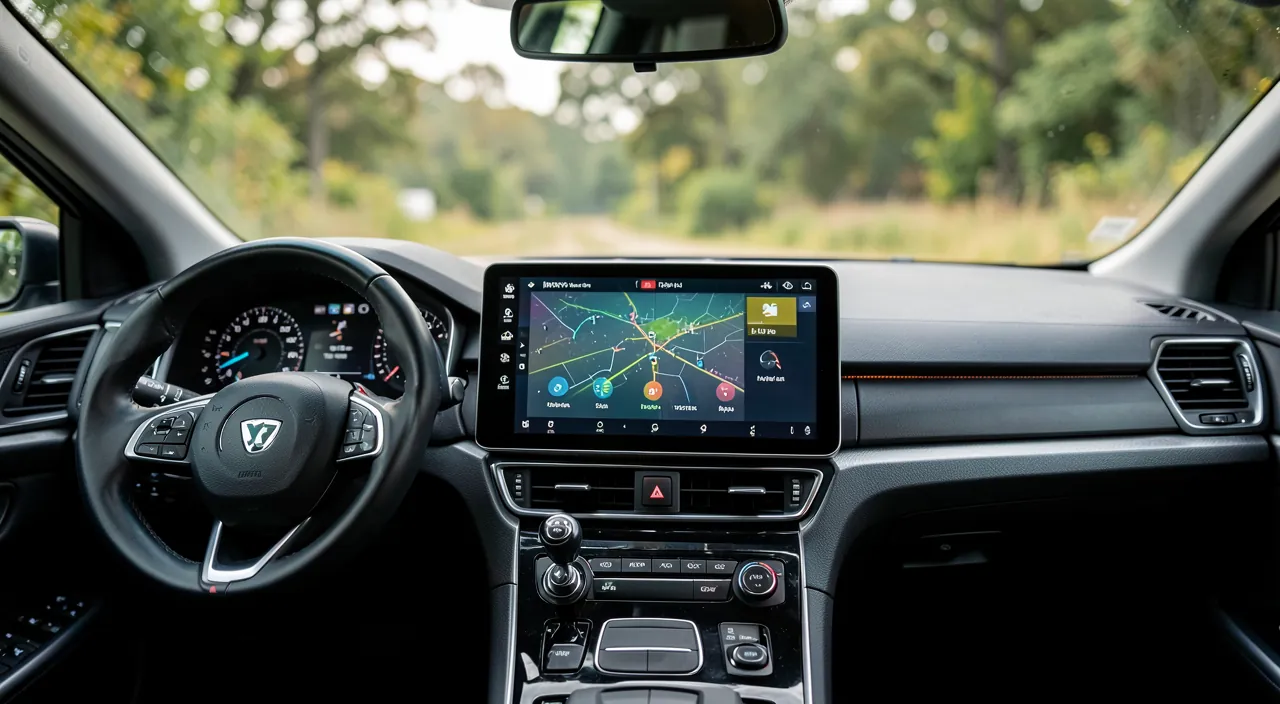
Modern cars increasingly resemble a computer on wheels. This evolution brings real advancements (safety, comfort, features), but also raises new questions: privacy (the car collecting data), software dependency, obsolescence, cybersecurity. With a car becoming a computer, is it progress or a drift? Without technophobia or naive enthusiasm, here is a balanced look at this automotive transformation and what it means for us.
The car, a computer on wheels: the advancements
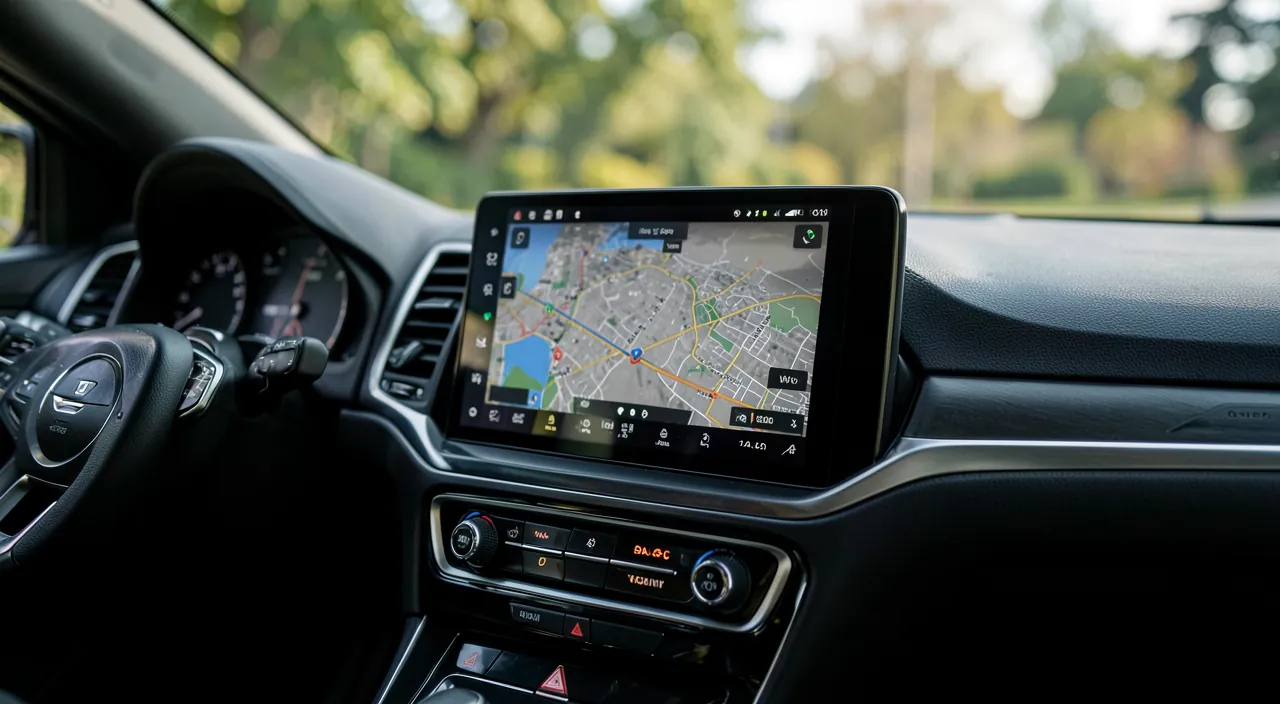
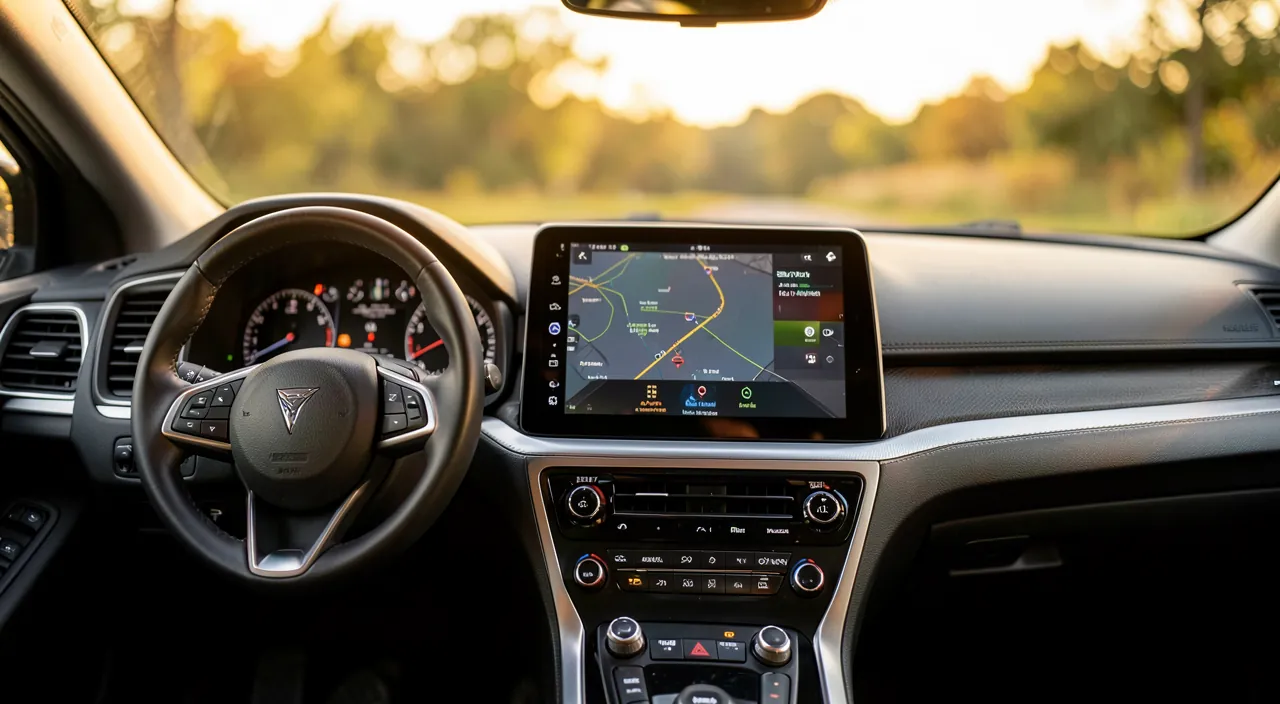
The transformation is spectacular: modern cars integrate more and more electronics and software, to the point that software (the software) becomes central in their design and operation. This evolution brings real advancements: safety — driving aids (emergency braking, lane keeping, obstacle detection, adaptive cruise control) rely on this electronics and have a real potential to reduce accidents; comfort — screens, integrated navigation, connectivity, personalization, built-in applications; remote updates — like a smartphone, some cars can receive software updates that improve or add functions without going to the garage; efficiency — electronics optimize fuel consumption and management (particularly for electric vehicles — our guides); and new FEATURES (remote diagnostics, connected services). These advancements are undeniable: a connected and software-based car offers services and safety that a purely mechanical car could not provide. This is the direction of technological evolution, with real benefits for the driver. BUT this transformation has a flipside, as turning a car into a computer also brings computer issues: data collection, software dependency, cybersecurity questions, obsolescence. It is this dual nature — real advancements and new questions — that needs to be considered for a balanced view. The car-computer is neither a pure progress nor a pure drift: it is an ambivalent evolution, with concrete benefits and new issues to take seriously.
A modern car is like a computer on wheels. It offers safety features, comfort, and updates, but it also collects data, can break down if software fails, and might become outdated.
A Tesla Model 3 can receive over-the-air updates that add new features, like improved autopilot functionality. However, if the software has a bug, it could temporarily disable critical systems, like the infotainment screen or even the car’s ability to drive.
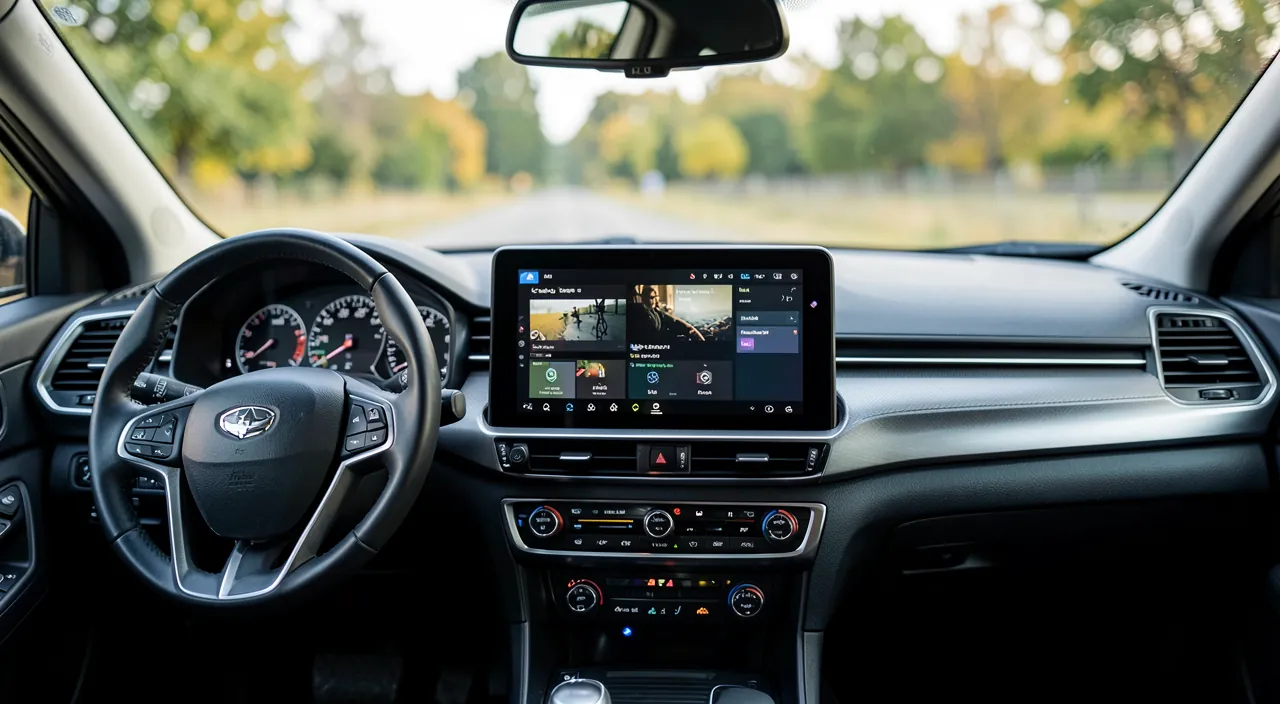
The new questions it raises
The car turned into a computer raises new questions that should not be neglected: privacy — a major issue: a connected car collects enormous amounts of data (movements, driving habits, sometimes more); where do these data go? who has access to them? for what purposes (insurance, advertising, resale)? The issue of automobile data privacy is real and often unknown to drivers (our privacy guides, rights over data); software dependency — when software becomes central, a software glitch, a bug, or malfunction can affect the vehicle; one depends on a complex system (and the manufacturer for updates and support); cybersecurity — a connected computer can theoretically be a target of attacks; automotive cybersecurity is a growing concern (our security guides); obsolescence — like a smartphone, a software-based car can see its software age, no longer be updated, or functions depend on services that may cease (our guides against obsolescence): what about the lifespan and value of a vehicle whose software is no longer supported? And control — some functions depending on online services or subscriptions, one can question the real control over one’s vehicle and economic models (functions « unlocked » by subscription). These questions do not mean one should reject the modern car (its advancements are real), but they need to be addressed CLEARLY: as a driver, being aware of these issues allows for informed choices (knowing about data collection from a vehicle, the manufacturer’s commitments regarding updates and support). Like any connected object, the car-computer combines real benefits and real questions: maturity consists in benefiting from the former while keeping an eye on the latter.
The right approach. If you buy or use a modern connected car, INFORM yourself on two often neglected points: data collection and software updates. For data: your car collects information (movements, driving habits, sometimes more); find out what is collected, where these data go, and for what purposes (insurance, resale), and adjust privacy settings when possible (our privacy guides, rights over data). This is a real issue often unknown to drivers. For updates: find out about the manufacturer’s commitment regarding software support and updates (a car with outdated software can see its value and functions diminish — our guides against obsolescence). Also keep in mind functions that depend on subscriptions or online services (to avoid being surprised). These checks are not meant to make you reject the modern car — its safety and comfort advancements are real — but to use it CLEARLY, knowing the privacy, dependency, and obsolescence issues. The car-computer brings real benefits: being an informed user rather than passive allows you to get the most out of it while keeping control over your data and choices.
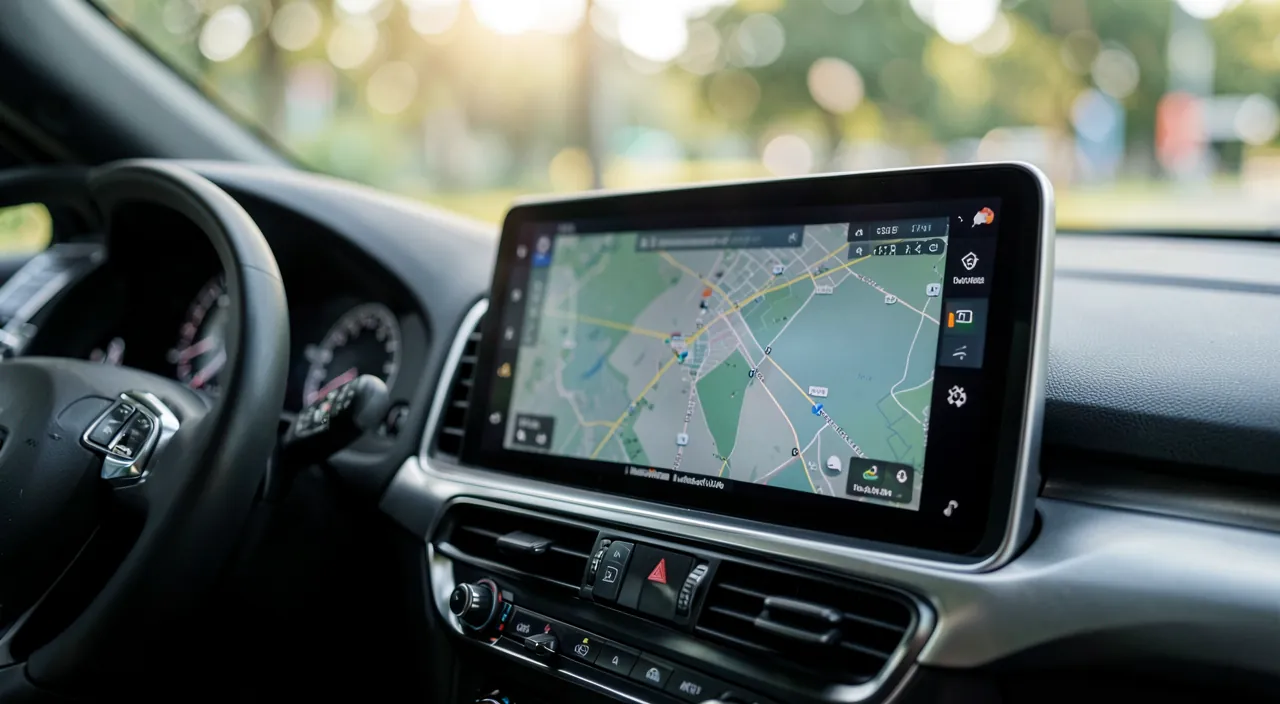
A balanced view of the car of the future
How to position yourself regarding this automotive transformation? Neither technophobia (rejecting progress, idealizing the purely mechanical car) nor naive enthusiasm (adopting everything that is « connected » and « intelligent » without reflection) are good postures. The balanced attitude is to recognize both sides: appreciate the real advancements (enhanced safety through driving aids, comfort, remote updates, efficiency) while keeping an eye on the new questions (privacy, dependency, cybersecurity, obsolescence, control). This evolution is part of a broader trend of connectivity and « logicialization » of everyday objects (like the smart home — our guides), with the same ambivalences: concrete benefits and data, security, and dependency issues. As a citizen and consumer, several things are up to us: INFORM yourself (understand the issues to make informed choices), be vigilant about your data (research, adjust settings), and participate in the debate on the regulation of these technologies (automobile data protection, right to repair and updates, security, also involve collective choices and regulation). A final point: beware of extreme and sensational discourses (in either direction) — the subject, like any technological evolution, generates alarmist or naively enthusiastic content — the reality is nuanced (our guides when AI invents for critical thinking). In summary, the car turned into a computer is an ambivalent evolution: it brings real advancements (safety, comfort, features, remote updates) but raises new questions (privacy and data collection, software dependency, cybersecurity, obsolescence, control). Neither pure progress nor pure drift: it is a transformation to approach with a balanced view, benefiting from the advantages while keeping an eye on the issues. For the driver, this means being an informed user: researching data collection and updates, adjusting what you can, and making informed choices. The car of the future will be increasingly a computer: approach it with clarity to get the most out of it without suffering its drawbacks.
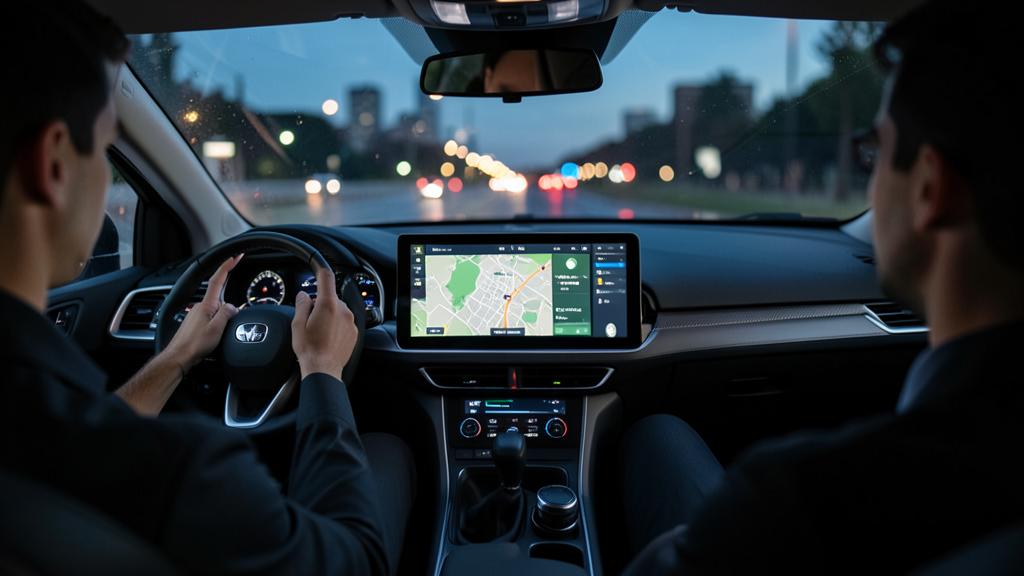
Be careful: your car collects data, and keep a balanced view. Two points: privacy is the major often unknown issue — a connected car collects enormous amounts of data (movements, driving habits, sometimes more), and the question of where these data go, who has access to them, and for what purposes (insurance, advertising, resale) is real; research what is collected and adjust privacy settings when possible (our privacy guides, rights over data). Also think about dependency (a software glitch can affect the vehicle; one depends on the manufacturer for support), cybersecurity (a connected computer can be a target of attacks — automotive cybersecurity is a growing concern), and obsolescence (a software that is no longer updated, functions dependent on services that may cease, sometimes functions « unlocked » by subscription — our guides against obsolescence): research the manufacturer’s commitments regarding updates and support. Second point: keep a BALANCED VIEW, neither technophobia (rejecting progress: the safety and comfort advancements are real) nor naive enthusiasm (adopting everything without reflection): and beware of extreme and sensational discourses on the subject, in either direction (our guides when AI invents for critical thinking). The car-computer brings real benefits and raises real questions: maturity consists in benefiting from the former while keeping an eye on the latter, as an informed user rather than a passive one.
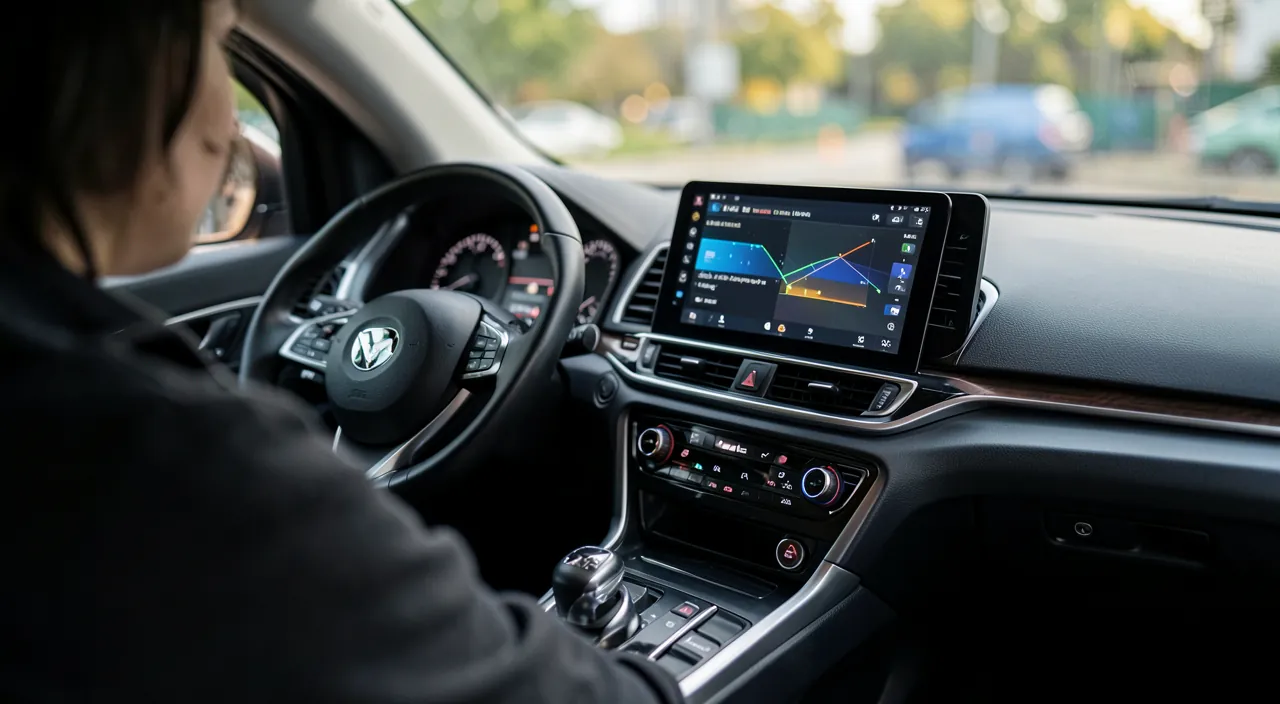
Frequently asked questions
Does my connected car collect my data?
Very likely, and it is a major issue often unknown: a modern connected car collects enormous amounts of data (movements, driving habits, sometimes more). Key questions: where do these data go? who has access to them? for what purposes (insurance, advertising, resale)? The privacy of automobile data is real and often unknown to drivers. Research what your vehicle collects, what the manufacturer does with it, and adjust privacy settings when possible (our privacy guides, rights over data). Being aware of this collection allows for informed choices: it is an aspect of the car-computer that should not be neglected, alongside its safety and comfort advancements.
Is the car-computer a progress or a drift?
Neither one nor the other absolutely: it is an ambivalent evolution. It brings real advancements (driving aids that improve safety, comfort, remote updates, efficiency) but raises new questions (data collection, software dependency, cybersecurity, obsolescence, subscription-based functions). Neither technophobia (rejecting progress) nor naive enthusiasm (adopting everything without reflection): the balanced attitude recognizes both sides — appreciating the benefits while keeping an eye on the issues. For the driver, this means being an informed user: researching data and updates, adjusting what you can, making informed choices. The car of the future will be increasingly a computer: approach it with clarity.
Could a software-based car become obsolete like a phone?
It is a legitimate question: like a smartphone, a car with central software can see its software age, no longer be updated, or functions depend on services that may cease. This raises the question of the lifespan and value of a vehicle whose software is no longer supported (our guides against obsolescence). That’s why it’s important to research, at the time of purchase, the manufacturer’s commitments regarding the duration of support and updates. Also be wary of functions that depend on subscriptions or online services. This is not a reason to reject the modern car, but an aspect to consider in your thinking about the sustainability of your vehicle: a point of vigilance to integrate into your choices.
What to take away
The modern car becomes a computer on wheels: electronics and software increasingly central. This transformation brings real advancements — safety (driving aids with real potential to reduce accidents), comfort (screens, connectivity, applications), remote updates, efficiency — undeniable and beneficial. BUT turning a car into a computer also brings computer issues, raising new questions: privacy (the major often unknown issue: the car collects enormous amounts of data; where do they go, who has access, for what purposes?), software dependency (a software glitch can affect the vehicle), cybersecurity (a target of attacks), obsolescence (software that ages, functions dependent on services or subscriptions), and control. Neither pure progress nor pure drift: it is an ambivalent evolution, to approach with a balanced view — neither technophobia nor naive enthusiasm. For the driver: be an informed user — research data collection (and adjust privacy settings) and the manufacturer’s commitments regarding updates and support, make informed choices. These issues also relate to collective debate (protection of automobile data, right to repair and updates, security). Beware of extreme discourses on the subject. The car of the future will be increasingly a computer: benefit from its advantages while keeping an eye on its issues, as a lucid user, is the best way to approach it.
Want to understand and master the technologies changing your daily life? Our training programs enlighten you.
Leave a Reply
You must be logged in to post a comment.