
They’re back — again: after the resounding failure of the pioneers ten years ago, connected glasses are filling storefronts once more — camera in the corner of the eye, AI assistant in the branches, discreet audio, and soon screens in the lenses. This time, it’s the real deal, swear the giants investing fortunes in them. Just another gadget or the announced successor to the smartphone? What current models actually do, privacy concerns (the camera on the other person’s nose — the real issue), and should you get them: a clear-eyed look at the most divisive tech object.
What current glasses can actually do (without the marketing)
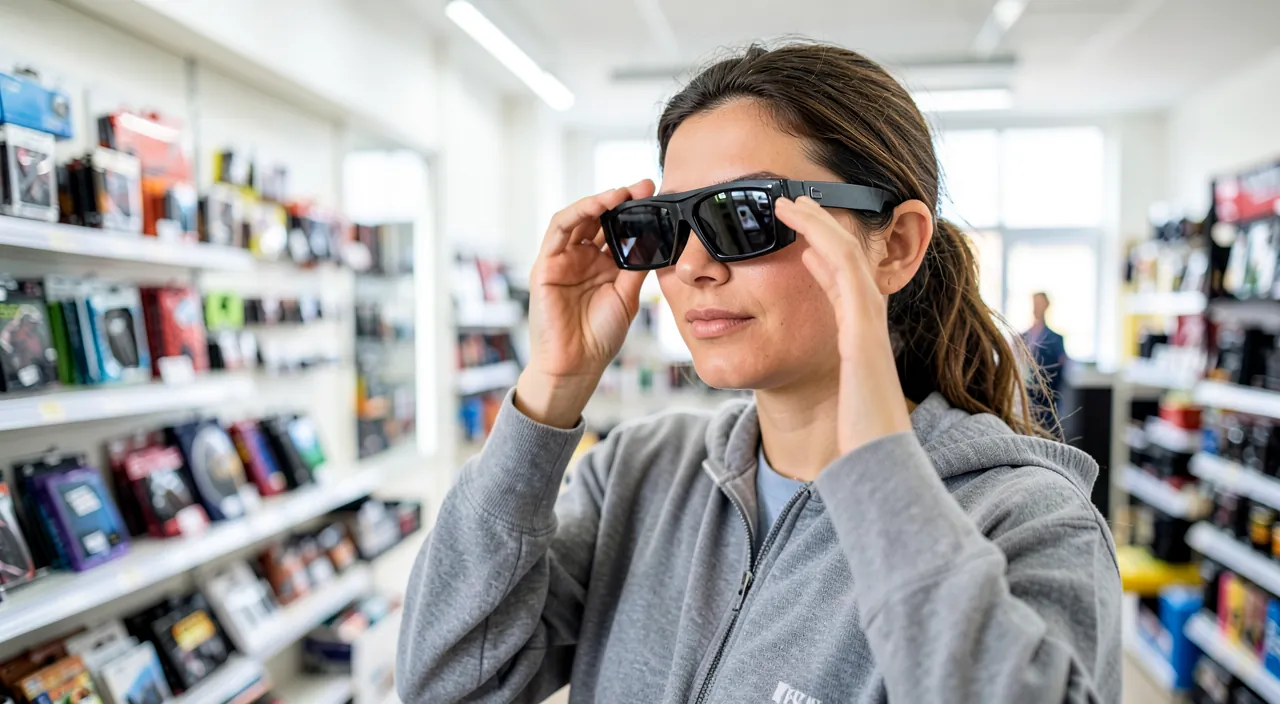
The real state of the market: the camera-audio glasses — the generation that WORKS commercially (the eyewear-social giant partnership at the forefront): hands-free photos and videos (the subjective viewpoint — content creators and parents on a stroll find real use), audio with FREE EARS (branches that broadcast — music and calls without anything in the ear: real comfort, the street heard — our guides), and the embedded AI assistant — the novelty that changes the object: questions asked about what you LOOK AT (« what’s that monument? translate that sign? how many calories in that? » — the camera + multimodal AI: our guides visual search, worn permanently — the use case that seduces, with its usual reliability caveats); the screens arriving — display in the lens (notifications, navigation, live subtitles — models with displays are arriving: subtitled translation face-to-face is THE demo that impresses, and accessibility will benefit — our guides), while waiting for full augmented reality (the real « world screens » remain in the lab and in headsets — the lightweight AR glasses are the horizon, not the shelf); and the limits of the present — short battery life (a day with light use, less with video), dependence on the phone (glasses are a peripheral — the smartphone remains the brain), style (current models pass — the real progress over the pioneers: they look like glasses), and the price that stacks on top of the phone.
These glasses can take photos and videos hands-free, play audio without earbuds, and answer questions about what you’re looking at. But they still need a phone to work, don’t last long on a charge, and cost a lot.
A chef wearing smart glasses can film a cooking tutorial while keeping their hands free. The glasses also translate signs in real time for travelers, like reading a menu in a foreign language.
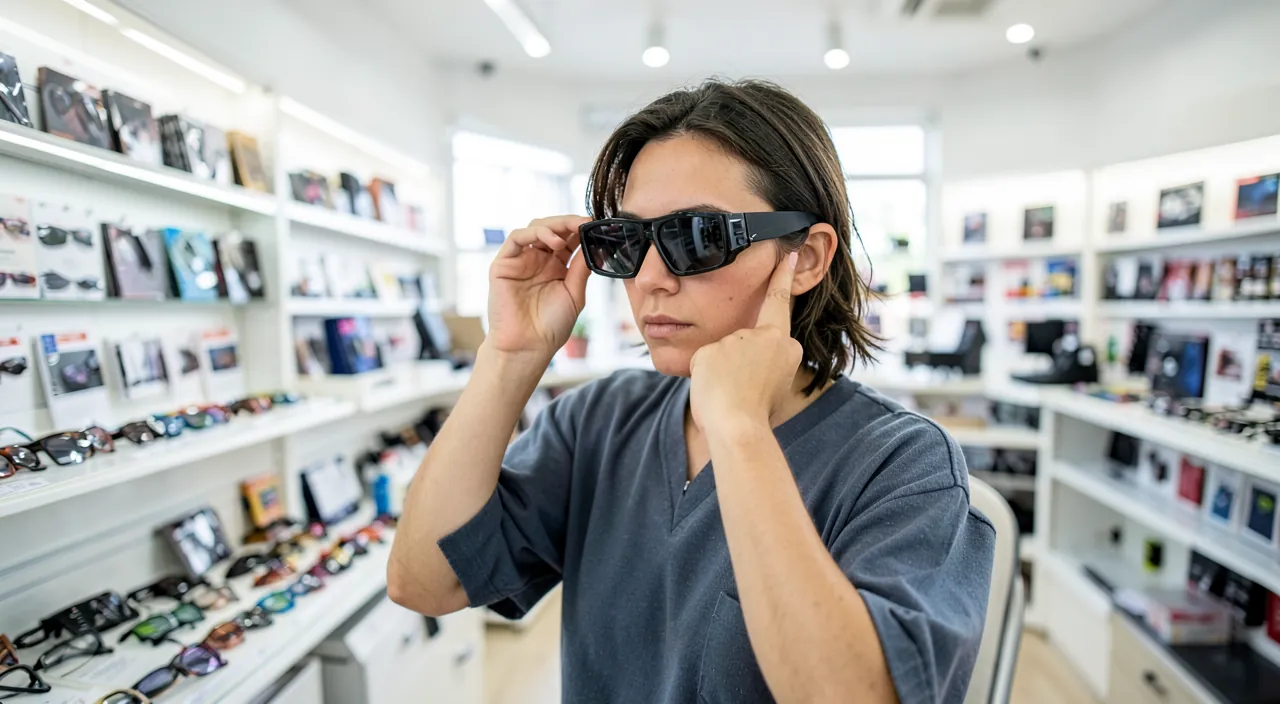
The sensitive topic: the camera on the nose (of others)
The fundamental question isn’t about your use — it’s about the other person’s: the third parties filmed — the camera worn permanently changes the street, the café, the school (the recording indicator light exists — and is bypassed, as cases have shown: the person filmed consents to nothing, often knows nothing): legal rules don’t change (the right to one’s image, the ban on recording conversations without consent — our guides: glasses don’t abolish any laws — they make the violation discreet), and SOCIAL rules are negotiated in real time (places that ban them — locker rooms, pools, schools, companies: regulations are being written, close relatives who ask for them to be removed: the request is LEGITIMATE and should be respected without drama — the etiquette of the wearer: announce, deactivate on request, remove during intimate moments); the ambush recognition — the camera + AI + facial databases technically identify passersby (demonstrations have taken place — the European regulatory ban on real-time recognition is the safeguard: the number one citizen vigilance issue of the genre); and your own data — the glasses see your entire life (what you LOOK AT is more intimate than what you type — images sent to the AI, the policies of the giants that process them: our guides assistants — the settings for retention and training are done, and the actor is chosen based on their policy). The object is a permanent social negotiator — that’s ITS difference with the phone, which can be put away: glasses are worn, and everyone knows it.
The right reflex. If you get equipped, adopt the charter of the courteous wearer — it will do more for the object’s acceptance than all the marketing: RECORDED announcements to those present (the « I’m filming » of old camcorders returns), removal or deactivation during intimate moments (dinner, serious conversations, other people’s children — our guides), immediate respect for requests (« can you take off your glasses? » is honored with a smile), and sensitive locations anticipated (locker rooms, schools, medical offices — removed BEFORE being asked): the courteous wearer normalizes the object; the stealthy wearer gets it banned — history has already written that once.
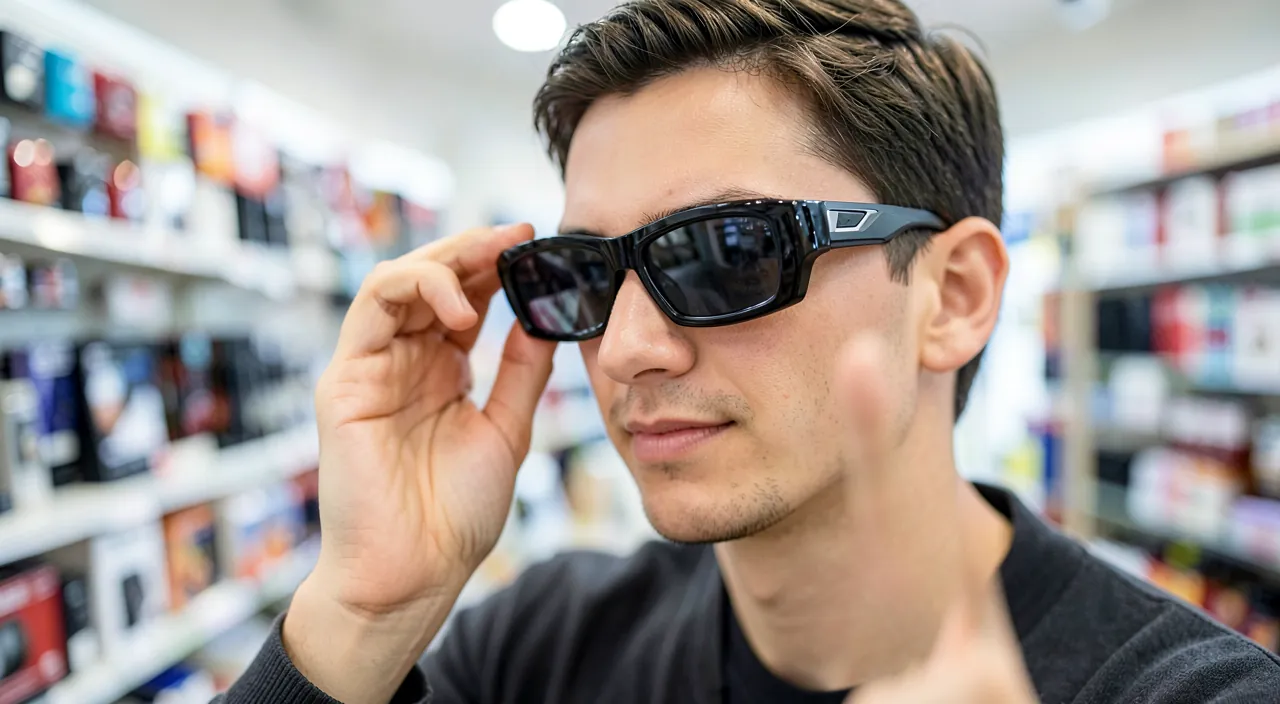
The real uses that are emerging (beyond the demo)
The separation between reality and the display: the uses that stick — the hands-free professional (the craftsman documenting the site while working, the chef doing a tutorial, guided maintenance — the useful subjective viewpoint: the real quiet market of the genre for years), the spontaneous family capture (the moment with the kids captured WITHOUT taking out the phone — the moment lived AND captured: the sincere argument of equipped parents — our guides presence see an ambiguous but real progress), accessibility — the most exciting potential: describing the world to the visually impaired (the scene read aloud, the text spoken — dedicated apps worn permanently: the digital cane that changes lives), live subtitles for the hearing impaired (the conversation displayed — our guides: the screen in the lens will find its nobility there), portable translation (our guides — travel with face-to-face subtitles), and eye navigation (the pedestrian and cyclist guided without a screen in hand — our guides bike: head-up display makes sense in mobility); and the questionable uses — the stream of notifications IN the eye (attention didn’t need this — our guides: the calm regained over the phone must not be lost in the lenses: filtering settings will be VITAL), and the permanent capture of one’s own life (the « total visual journal » — externalized memory raises more questions than it solves). The object is still searching for its core use — accessibility and hands-free have found it first: that’s often how technologies mature.
Equip now or wait: the decision grid
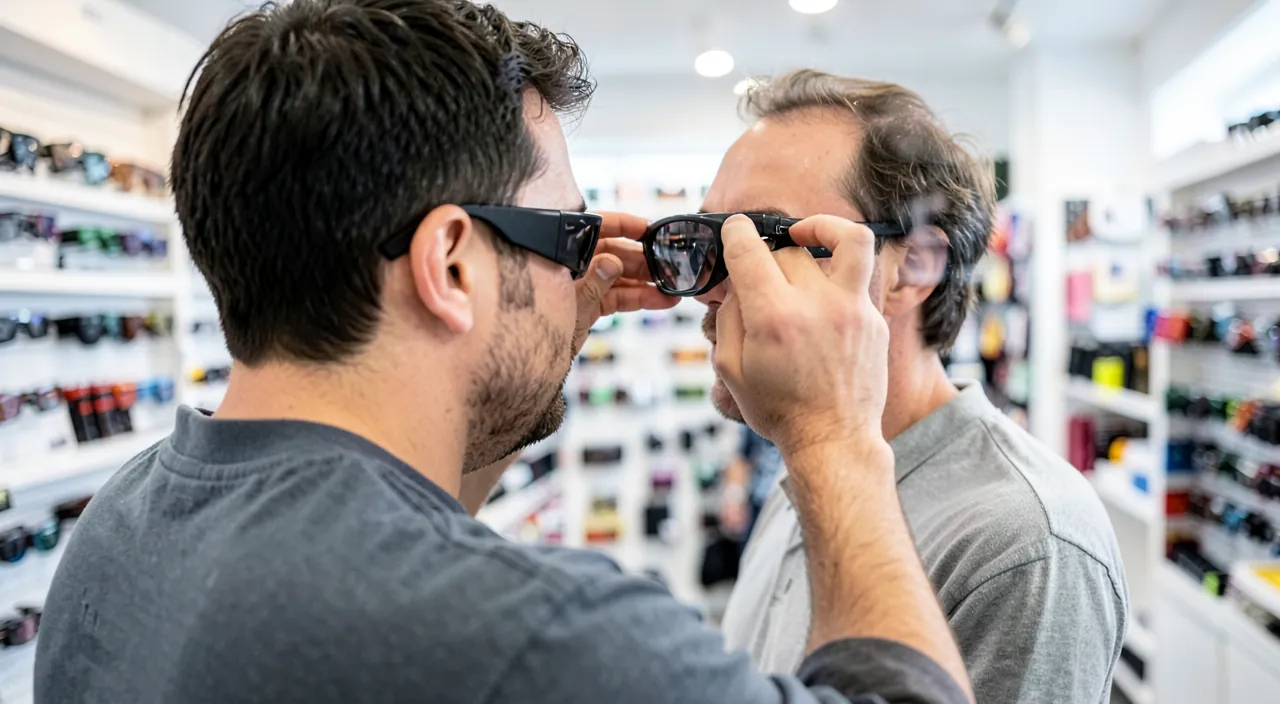
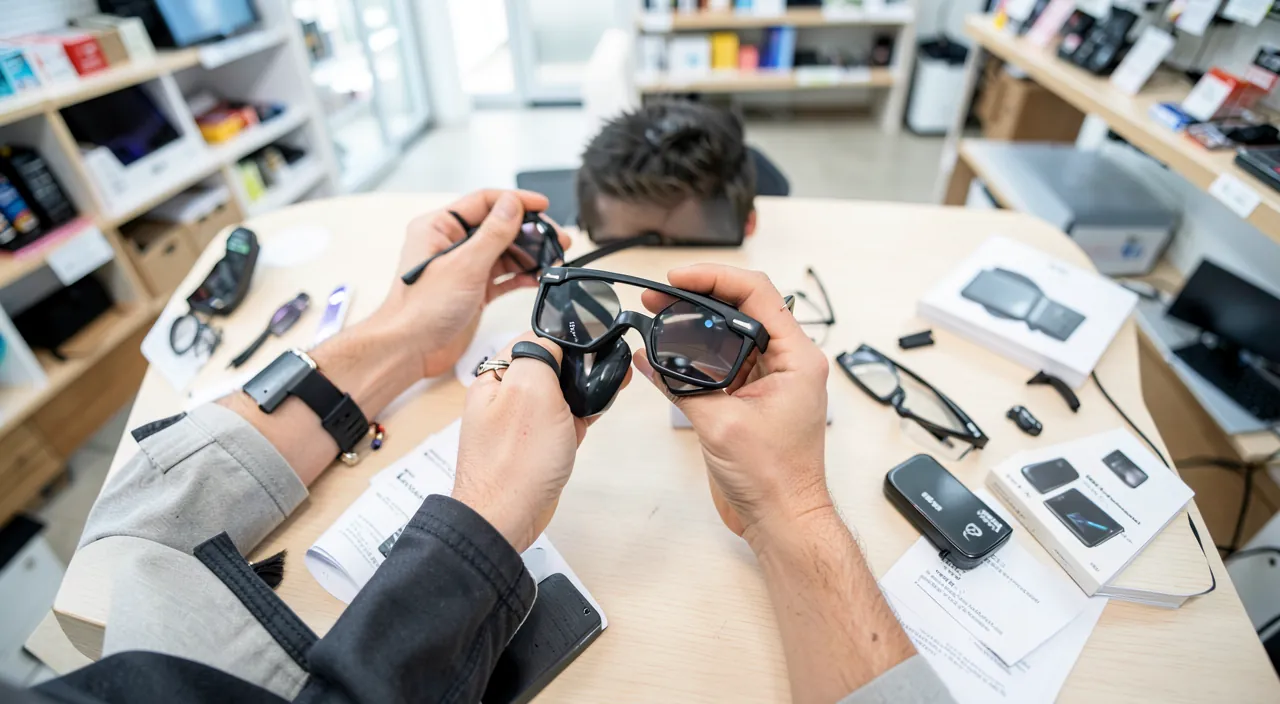
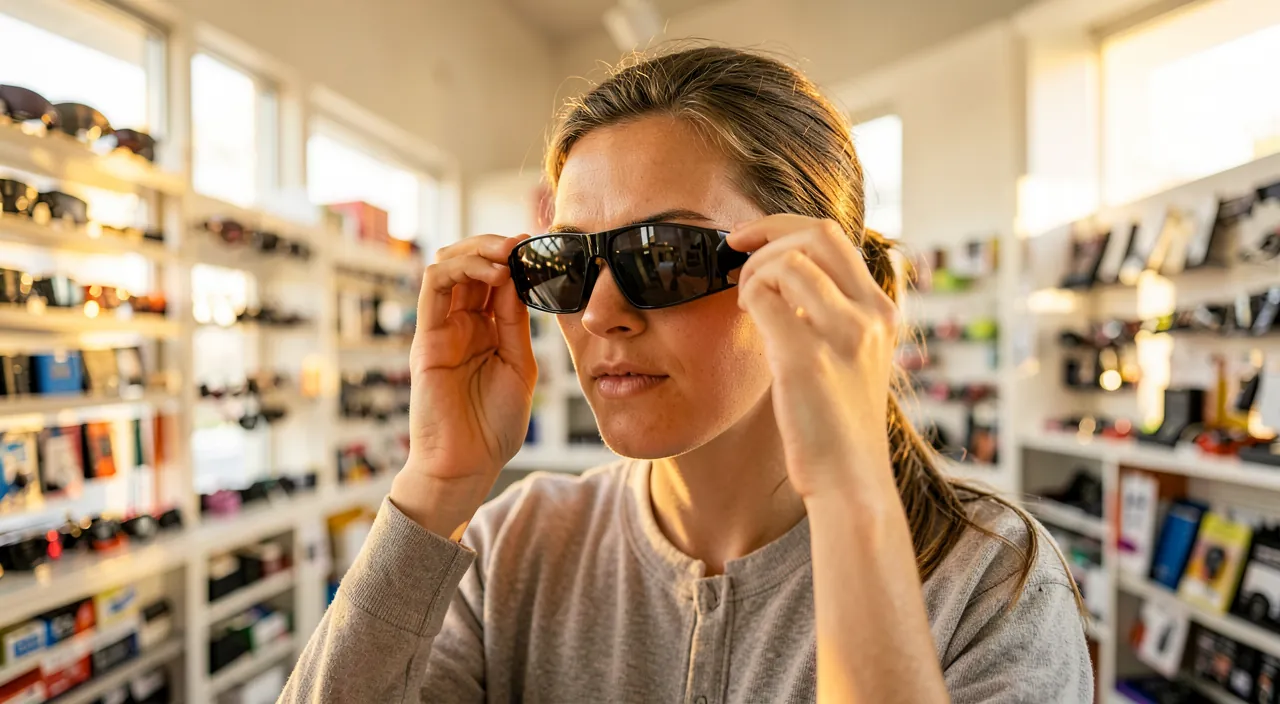
The lucid buying advice: the profiles for whom it’s already relevant — the content creator (the subjective viewpoint is a format), the hands-busy professional, accessibility needs (dedicated uses are worth the investment TODAY — accompanied by specialized structures), and the assumed enthusiast (the early adopter who buys the present knowingly — the right to toys exists: our guides budget, leisure expense); the reasons to wait for others — the pace of generations (the object evolves quickly — next year’s model will make this one outdated: the rule of young markets), the locked ecosystem (giant A’s glasses with giant A’s assistant — standards don’t exist yet: the purchase ties you to a brand), corrective lenses (vision adds to the price — and the glasses WEARER decides: their unique frames become connected or nothing), and the personal social test (the object is LIVED — the in-store trial and the honest question: will I really wear them? The 400€ gadget drawer is already full — our guides); and the buying grid if yes prevails — the actor’s data policy (the criterion that should come first — compare), real battery life, comfort on YOUR face (glasses are clothing), SAV and promised updates (our guides durability — the object with servers is chosen for longevity), and the cautious second-hand option (the nascent market discounts quickly — the deal on the previous model, verified as transferable: our guides).
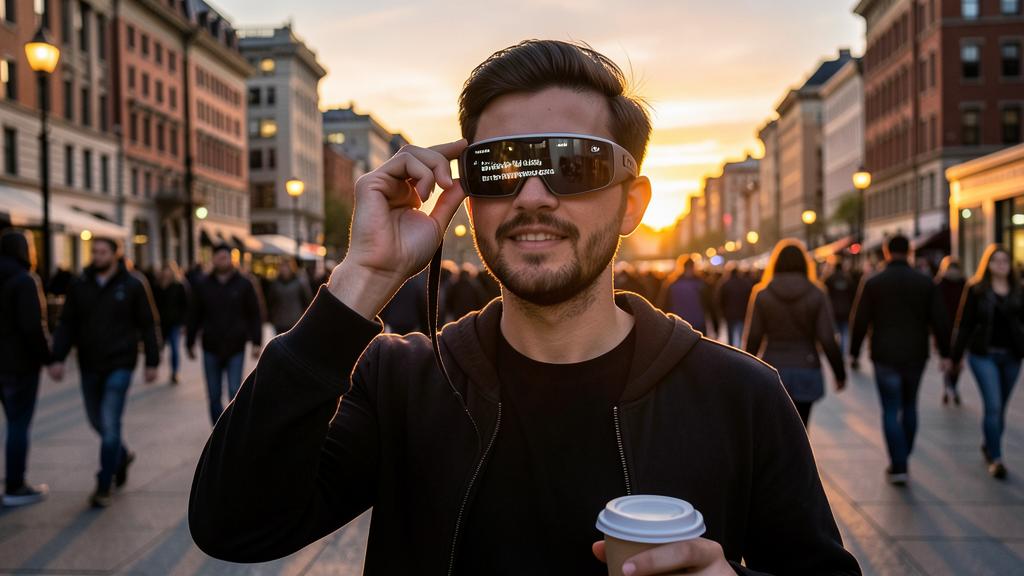
Be careful while driving and during moments that require your full attention. The display in the lens raises the question the phone took ten years to solve — and worse: the embedded distraction (the notification IN the field of vision while driving, cycling, or crossing — the eye that reads no longer sees the road, even « in transparency »: studies on divided attention are conclusive, and regulations are coming — minimalist eye navigation is debated, but message streams while driving are not): driving modes and radical filters are essential (our guides — the concentration mode will extend to lenses, demand it), and responsibility remains (an accident « because I was reading my glasses » is judged like a phone in hand); same vigilance for moments of presence — school, children’s performances, tête-à-tête (the person talking to you KNOWS the screen is there, between them and you — the object tests the politeness of attention: our guides). Technology in the corner of the eye will have to learn to fade away — that’s the condition for its future, and for your relationships.
Frequently asked questions
Will glasses really replace the smartphone?
Not in the medium term — they COMPLEMENT it (the phone’s peripheral, like the watch — our guides: the ecosystem expands, it doesn’t replace itself): the giants’ bet is on the decade (mature lightweight AR, new interfaces) — and tech history invites predictive modesty in both directions. The consumer doesn’t have to bet: they have to judge the object of TODAY based on its current uses — the grid in this article.
How can you tell if someone is filming you with their glasses?
The indicator light (serious models enforce it — the recording LED), the posture (prolonged, focused gaze), and above all the QUESTION — direct and legitimate (« are your glasses filming? ») — social norms are built through these questions asked without hesitation — ask them. And your rights don’t change (our guides image): unauthorized recording is refused, signaled, and in private places is banned by regulation.
What are audio-only glasses (without a camera) worth?
The discreet segment that works: audio with free ears for the street and office (our guides — cycling remains banned like any listening device), decent calls, zero privacy concerns for others — the entry point for many (and the option for glasses wearers at opticians): less spectacular, more soothing — sometimes exactly what you were looking for.

What to remember
Connected glasses are back with real arguments (hands-free camera, discreet audio, AI assistant on what you’re looking at, emerging screens — and accessibility as the most noble use: describing the world for the visually impaired, real-time subtitles) and the same social question as ten years ago — the worn camera involves OTHERS: unchanged rights, the etiquette of the courteous wearer (announce, remove on request, anticipate sensitive locations) and vigilance about facial recognition will determine acceptance or failure. Equipping yourself depends on your profile (creators, professionals, accessibility, assumed enthusiasts — others benefit from waiting for a market that’s maturing quickly), the grid (data policy first, battery life, comfort, longevity), and wearing them with free eyes during moments that require it — the road and people. The smartphone’s successor is still being sought: in the meantime, judge the object, not the prophecy — and keep your gaze on those talking to you.
Want to understand and master the technologies changing your daily life? Our training programs will enlighten you.
Leave a Reply
You must be logged in to post a comment.