
Your car knows where you are going, at what speed, at what time, with whom you are calling, sometimes what you are saying — and studies that have audited the sector have reached a brutal verdict: the automobile has become one of the worst categories of products for privacy. Between manufacturers who collect widely, insurers who dream of your driving data, apps that geolocalize, and used cars that remember the previous owner, the connected vehicle deserves the same seriousness as a phone: understand what is being collected, regulate what can be, and adopt the digital driver’s reflexes. The guide to private driving.
What modern cars collect (the surprising inventory)
The tour of the property — or rather of the collected items: the telematics of driving (continuous position, speeds, accelerations and decelerations, kilometers, time-stamped routes — the permanent black box: manufacturers collect via in-car connectivity, often by default), the cockpit (synched contacts of paired phones — the entire address book copied into the car: the classic ignored —, call history, read aloud messages, voice commands — and more and more microphones; interior cameras of attention systems are arriving), the apps and services (the manufacturer app that geolocalizes the vehicle — practical and chatty —, connected services with lengthy terms of use), and the third parties in ambush — the real subject of audits: shared or sold data (data brokers, insurers — the documented business of driving data transmitted without clear driver awareness, with hidden discounts, have caused scandal and case law: the « driving score » compiled without your knowledge exists); and the vehicle’s memory — all of this REMAINS in the car (profiles, registered residences, paired garages: the question of used cars — see below). The car is a smartphone on wheels — without the culture of settings that goes with it: that is exactly what needs to be corrected.
Take back control: the vehicle and account settings
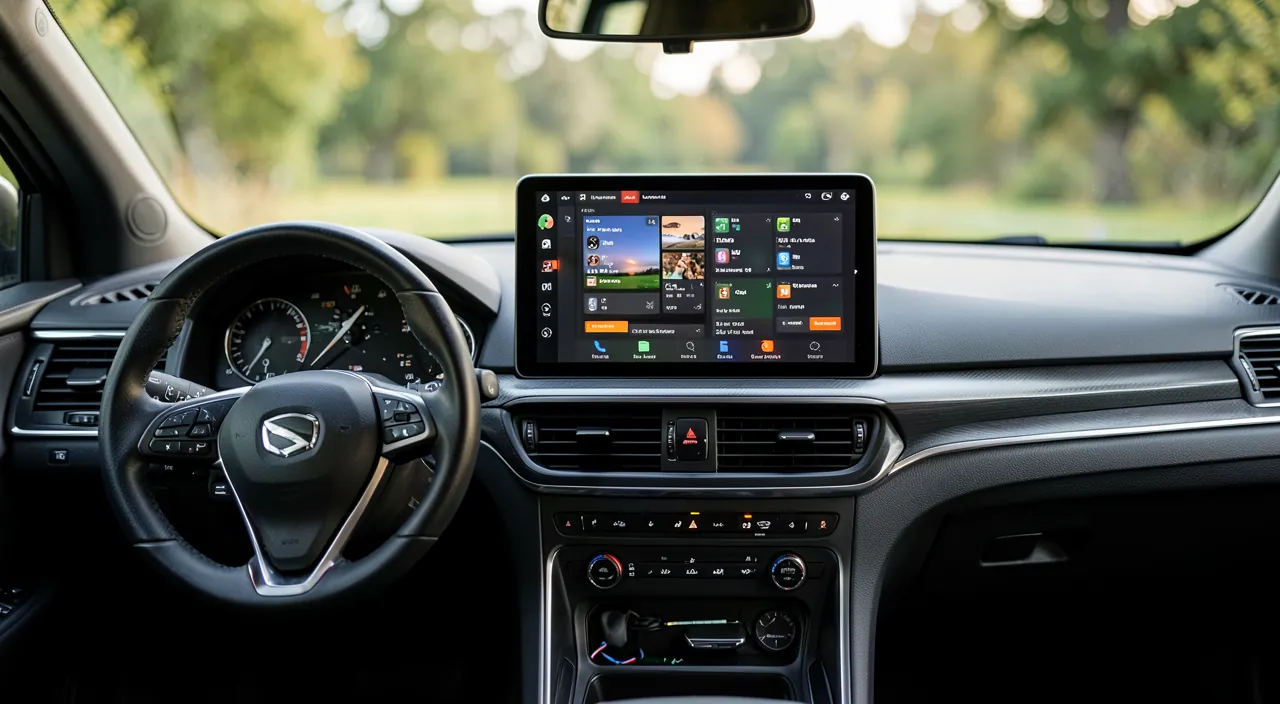
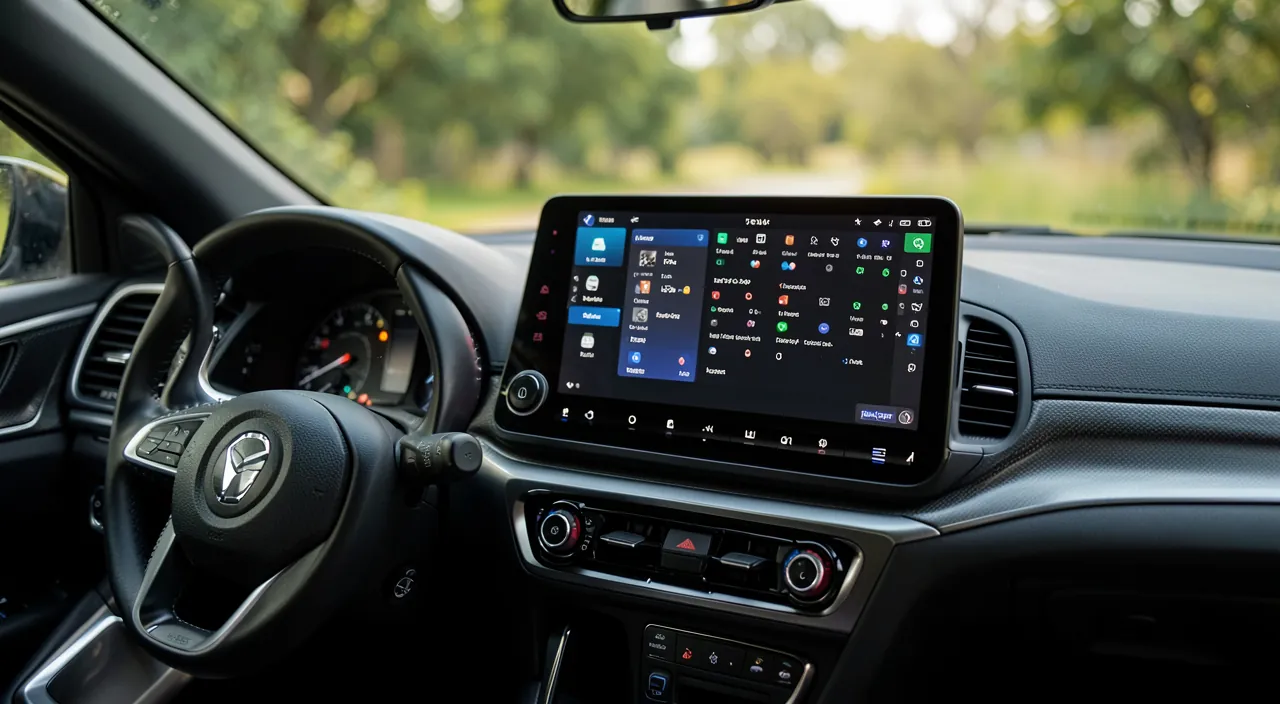
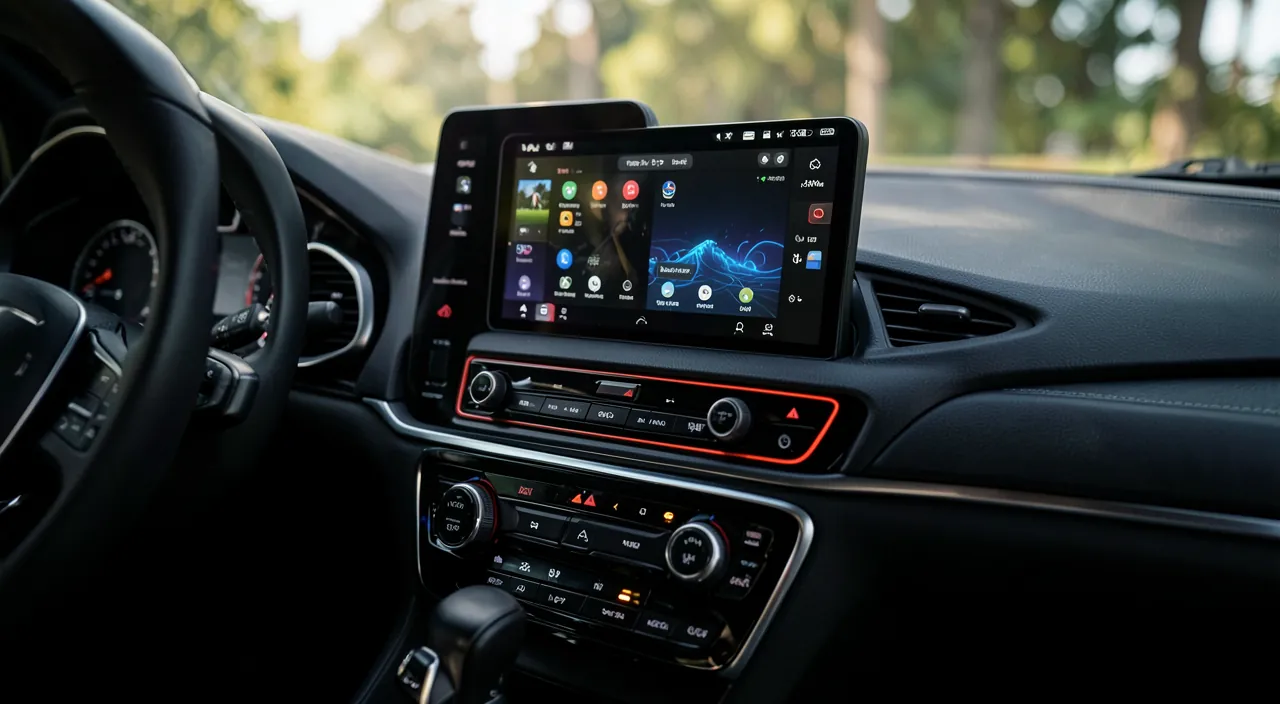
The driver’s arsenal — 30 minutes once: the audited manufacturer account (the app and online space — data sharing consents reviewed: collection « for improvement, » third-party sharing, personalized offers are DEACTIVATED — the GDPR applies to manufacturers as well as others: our rights guides — and the request for access to YOUR data is a right that documents what they hold), the cockpit settings (limited or refused contact sync — hands-free calling works without copying the entire address book on some systems — the option is sought —, navigational history purgable, microphones and assistants set — our assistant guides are useful in the car), the moderate connectivity (unused connected services are canceled — and full disconnection exists on some models for the determined —: weigh the services lost — the emergency call remains regulatory and is kept —; and the carphone duo thoughtfully — CarPlay and its equivalents (our guides) as a COAT of privacy: the projected phone system keeps data IN the phone (the healthiest architecture — the phone you control rather than the infotainment you ignore: an argument for projection over proprietary talkative systems) —; and the connected insurance as an INFORMED choice — the boxes and apps « pay how you drive » (discount against telematics: the conscience-based arbitration: the good driver sometimes wins, the principle is debated: our guides — and consent is given, it is not discovered).
Your car collects a lot of data about you, like your location, driving habits, and even your phone contacts. To protect your privacy, you can adjust settings in the car and its connected apps. The goal is to limit what data is shared and keep control over what information stays in your car.
Imagine you own a Tesla Model 3. By default, it records your driving data, including speed, location, and even voice commands. If you don’t adjust the settings, Tesla can share this data with third parties. But if you disable unnecessary data sharing in the app and use CarPlay instead of the built-in infotainment system, you keep more control over your data.
The right reflex. Treat every car that is not yours like a public computer (our guides): in the RENTAL, Bluetooth pairing is done consciously (the bare minimum — or phone support and nothing else) and is ERASED upon return (your profile deleted from paired devices — the contacts of hundreds of renters sleep in rental cars: do not enrich them), the car’s GPS does not receive your home (the phone navigates well enough)—and in SHARING and shared rides, the sober display (projected phone notifications on the common screen — our guides: the drive mode that filters). Other people’s car does not need to know you — 30 seconds of hygiene after each rental.
The used car: buying and selling a car with memory
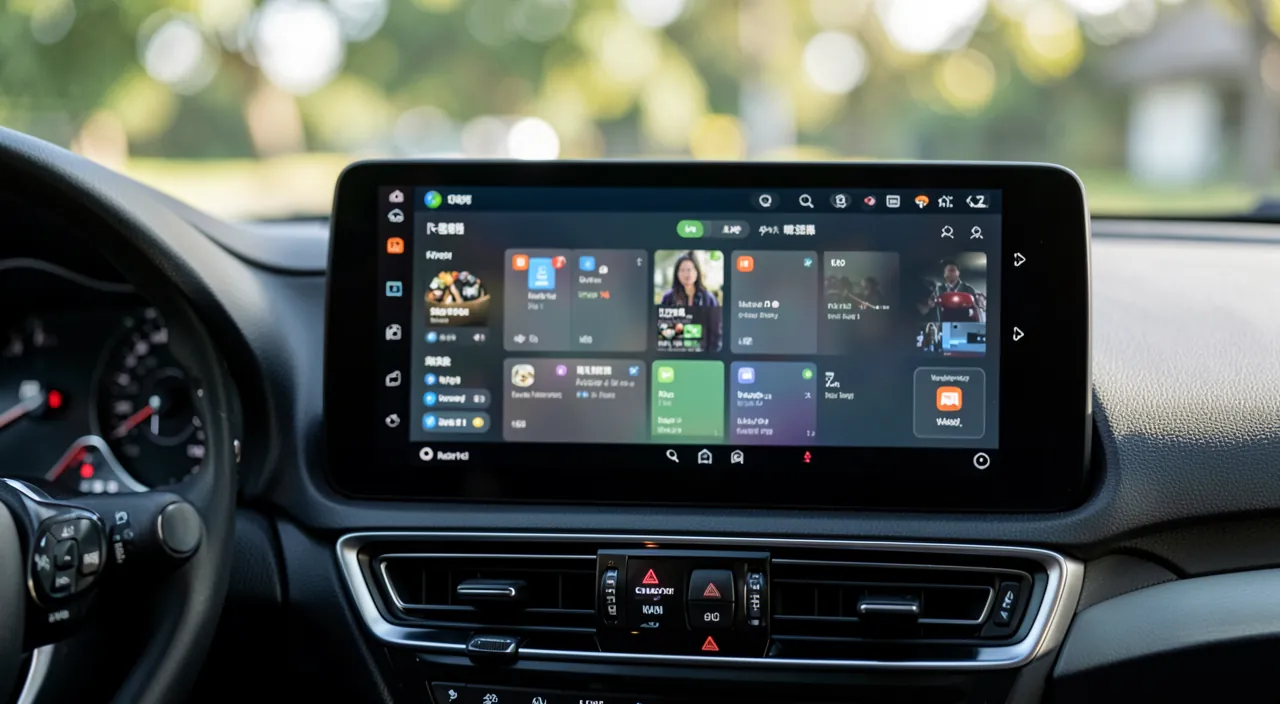
The chapter everyone skips: at the RE SALE (or lease return) — the factory reset of the system (profiles, contacts, navigation history, paired garages — the menu exists on all recent systems: our guides for erasure apply to cars), the disassociation of the manufacturer account (the app that still shows the position of your old car — and its new owner — is a classic documented case: the car withdraws from YOUR account and the transfer is done by official procedure), the removed access keys and badges (the garage of the old home programmed into the sold car — the security detail we often forget), and services and subscriptions transferred or canceled; at the purchase of a used car — the required or done reset (the vehicle that displays the routes of the previous owner is not « practical, » it is poorly transferred — and symmetrically, does the previous owner retain remote access? The official account transfer resolves this: insist on it like the registration), and the consent reset to your name (the settings of the previous owner are not yours)—and the end of life — the car at the scrapyard follows our recycling guides (the system contains data — factory reset before the dumpster, as with all devices)—: the vehicle has entered the complete digital lifecycle: purchase, use, resale, recycling: each step has its hygiene, exactly like the phone it has become.
Sensitive cases: tracking of loved ones, disputes, freedoms
Delicate areas: the intra-family tracking — the manufacturer app that localizes the vehicle localizes its DRIVER (the spouse, the newly licensed teen)—our guides on localization apply to the garage — consented and transparent sharing (the teen who knows the car is localized — the conversation, not the discovery of surveillance: family trust does not survive the trackers), and the limited functions of family fleet tracking (the zone and speed alerts of « parent mode »: the young driver’s support is debated WITH him)—the disputes and investigations — the vehicle’s data SPEAK (the black boxes of recent cars record the seconds before the accident — the regulated use: insurance and justice access it according to rules: your routes may be requested)—the citizen knows without paranoia—accident data also protects the victims;—the partners who spy — the hidden tracker in an ex’s car is a crime (our AirTag guides—anti-tracking protections are valid at the parking lot: the alert for unknown trackers is taken seriously, the car is inspected when in doubt—violence through control also passes through OBD and apps: specialized associations know, so do mechanics)—and the road as freedom — the car was the space of free movement: that it remains is played out in regulations (European data car regulations progress—access for independent mechanics to technical data, ban on opaque resale—ongoing battles) and in your purchase choices—privacy slowly enters the criteria (comparison sites note it—consult them—the market listens to what buyers look at).
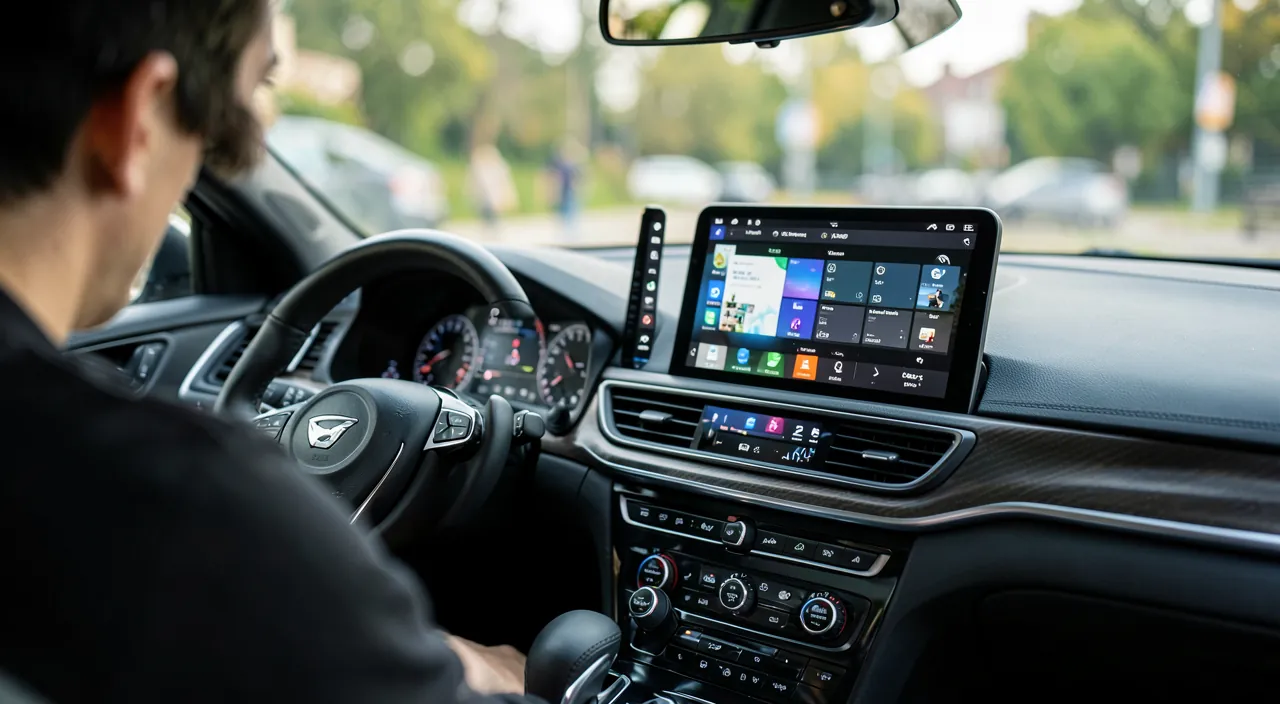
Be wary of digital theft. Connected cars can also be stolen through their chips: the keyless entry relay (the key signal IN the house amplified to the car—silent theft dominating recent models—simple defenses—keep the key away from the front door, a signal blocker for a few euros, and nightly disabling of keyless entry when possible), the OBD hacking (the diagnostic port that programs keys—visible anti-theft measures in OBD and physical locks deter—: the steering wheel cane returns modern, precisely because it is analog), and the compromised app (the manufacturer app with real powers—unlocking, localization—unique password and two-factor authentication are necessary—our critical accounts guides: the car is now part of it). The 2.0 garage protects in layers—digital AND physical: the modern thief hates visible old obstacles.
Frequently asked questions
Can I know exactly what my manufacturer collects about me?
Yes — the right to access GDPR applies (request via the customer portal or the manufacturer’s DPO—data copy, purposes, sharing—our rights guides—response documents and often surprises)—the exercise is worth doing once—and consumer associations publish audits by brand—consult them BEFORE the next purchase (privacy is compared like consumption).
Does refusing collection lose functions (or the warranty)?
Optional consents can be refused without legitimate loss (product improvement, marketing—refusal is your right: report the function that « requires » an abusive marketing consent)—some connected services live on real data (traffic navigation, assistance—service/data arbitration is done consciously, service by service)—and the warranty is NOT conditioned by data consent—seller’s contrary claim is false and must be clarified in writing—(it then falls).
Are old cars the privacy solution?
They collect nothing, it’s true—and the compromise is weighed (active safety of recent models saves lives—emergency braking and crossing alerts count as data—arbitration is not absurd in either direction)—the median lane exists—the recent car with settings made, phone projection, minimal consents—modernity without the hemorrhage. And the market for « data-sparing » cars is emerging—the demand will make it grow.
What to remember
The car has become a smartphone on wheels—without the culture of settings—the collection inventory surprises (routes, driving, copied contacts, microphones—and third-party shares that have caused controversy), regaining control takes 30 minutes (deactivating manufacturer account consents, limited contact sync, phone projection as a privacy layer, connected insurance as an informed choice), hygiene extends to other people’s cars (paired and erased in rental) and the lifecycle (reset on resale and account transfer—the previous owner tracking his sold car is a classic not to be)—and security follows (protected keyless entry, critical manufacturer account, two-factor authentication). Privacy is also defended at the parking lot—the consented family tracking, illicit trackers reported, and privacy entering purchase criteria. The road remains a space of freedom—provided that the car that takes you there does not tell the journey to everyone.
Want to understand and master the technologies that change your daily life? Our training programs enlighten you.
Leave a Reply
You must be logged in to post a comment.