
Thousands of books to read tonight, legally, for free — and most readers don’t know it: classics in the public domain, digital lending from libraries (yes, your library card lends ebooks remotely), and online heritage libraries. At a time when new books are expensive and e-readers fit in your pocket, here’s the complete guide to free digital reading: where to find, how to borrow, what to read on — and the pitfalls of illegal “free” to avoid.
The public domain: treasures without limits
The largest source: works whose rights have expired (in France, 70 years after the author’s death) — ALL classic literature: Hugo, Zola, Maupassant, Austen, Dumas, Verne, Proust, philosophers, fairy tales… freely downloadable, forever, on dedicated digital libraries: major volunteer digitization projects (the world’s veteran in the field and its tens of thousands of titles), national heritage libraries (the digital library of the BnF — treasures beyond texts: old newspapers, maps, manuscripts), and specialized Francophone collections (carefully edited, clean formats). The format to know: EPUB — the e-book standard (resizable text, adapts to any screen): prefer it to PDF for reading (PDF freezes the page — good for documents, painful on e-readers and phones). The smart use: (re)discover classics WITHOUT impulse buying — the high school student who must read Zola, the Rougon-Macquart series started one evening out of curiosity, the masterpiece “you’ve always wanted to read”: the price barrier no longer exists, only that of the first chapter.
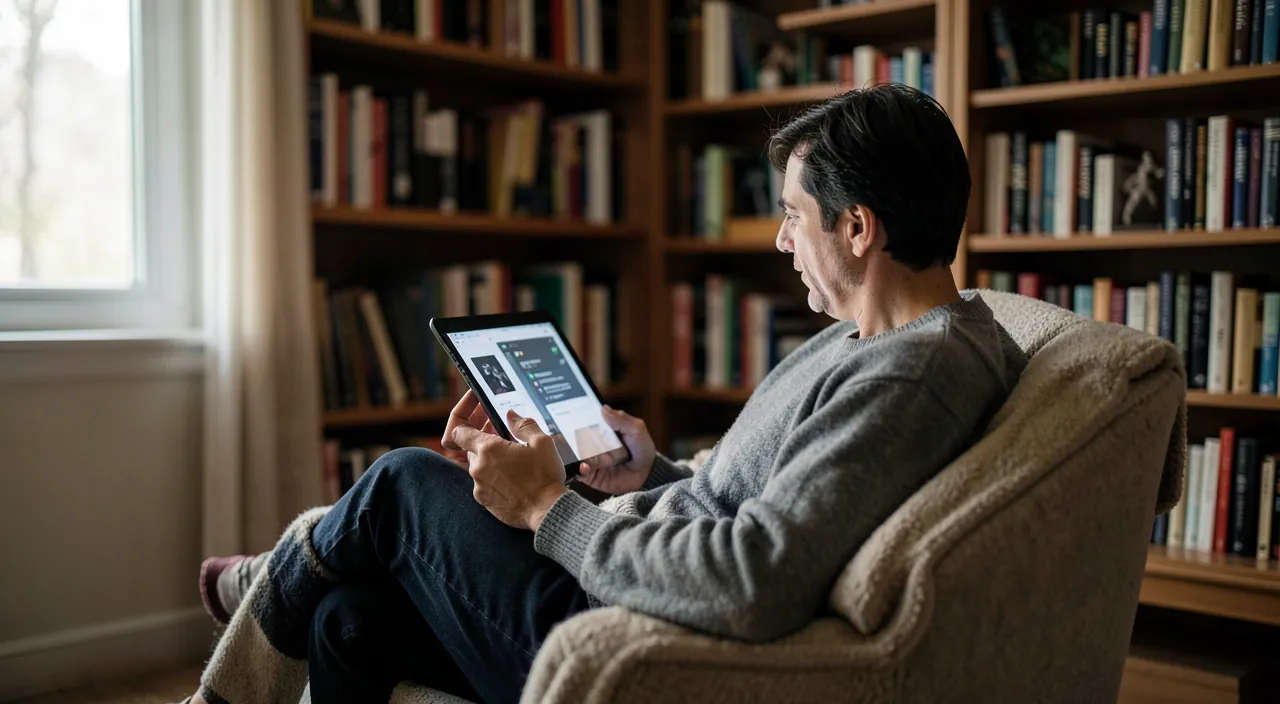
The public domain means free access to classic books forever. You can download them legally from digital libraries, and they adapt to any screen with the EPUB format.
If you want to read Victor Hugo’s “Les Misérables,” you can download it for free from the BnF’s digital library in EPUB format. No cost, no waiting, and you can read it on any device.
Digital lending in libraries: the best-kept secret
The public service that too few use: your library card (often free or a few euros per year) opens remote digital lending — RECENT novels, essays, comics, borrowed from the couch: the online catalog of your library network (search for “digital resources” or the national digital lending in libraries scheme), authentication with your card, and borrowing — the book downloads, protected by a lending token (it “returns” automatically at the deadline, three to four weeks: zero late fees, zero fines, by design); on compatible e-readers, tablets, or phones via dedicated reading apps. Often added, depending on the networks: online press (daily newspapers and magazines of the day — the most profitable resource of all: dozens of subscriptions for the price of a card), audiobooks, music, training, and streaming cinema — the digital offering of libraries has become a complete service that its public funding makes unmatched: if you should remember only one thing from this article — call your library and ask “what does my card open online?”: the answer always surprises.
The right reflex. Register the whole family — the card is often per person, and digital lending quotas too: four cards = four times more simultaneous loans (and children have their youth catalogs). Many networks accept residents of neighboring towns, and some large libraries lend online beyond their territory: inquire — combining two networks covers unavailability (the bestseller “borrowed” by one is free with the other). All for the price of a paperback per year — or nothing.
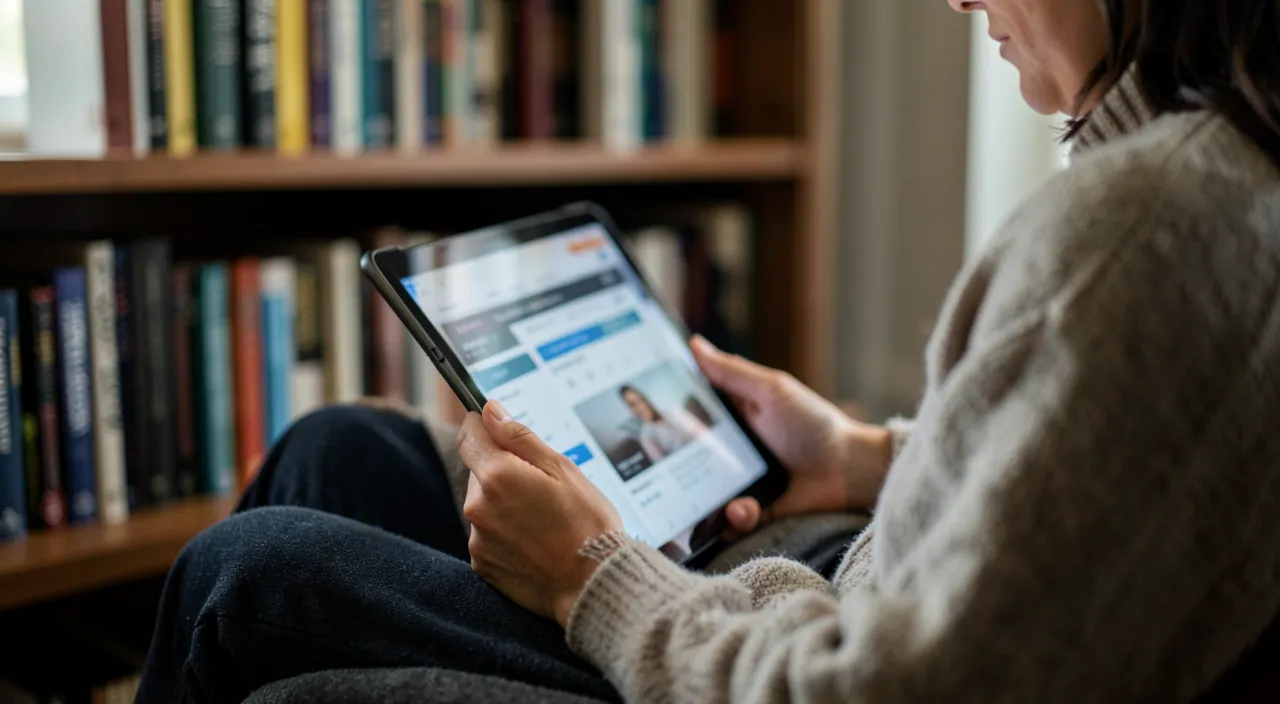
What to read on: e-reader, tablet, phone
The support changes the experience: the e-reader — the electronic ink screen (no aggressive backlight, readable in full sun, weeks of autonomy, no notifications): THE long-reading comfort, and the object that really makes you read more (the effect is massively reported: a book always in the bag, without the sirens of the phone) — the entry-level is more than enough, second-hand is abundant, and compatibility with library lending is checked BEFORE purchase (some closed ecosystems complicate imports — e-readers open to EPUB format and digital lending are the right choice for free reading); the tablet — versatile, ideal for comics, press, and coffee table books (color, large format), less for long novels (fatigue, distractions); the phone — the underestimated: the reading app always on you turns waiting times into pages read (set to dark mode, enlarged text — ten minutes here and there make whole books in a year): synchronization between devices (the page resumed from the phone to the e-reader) is indeed the argument of reading apps. And paper remains in the picture: physical lending from the same library, neighborhood book boxes, second-hand — free reading is an ecosystem, not a sect.
Building a library (and habits)
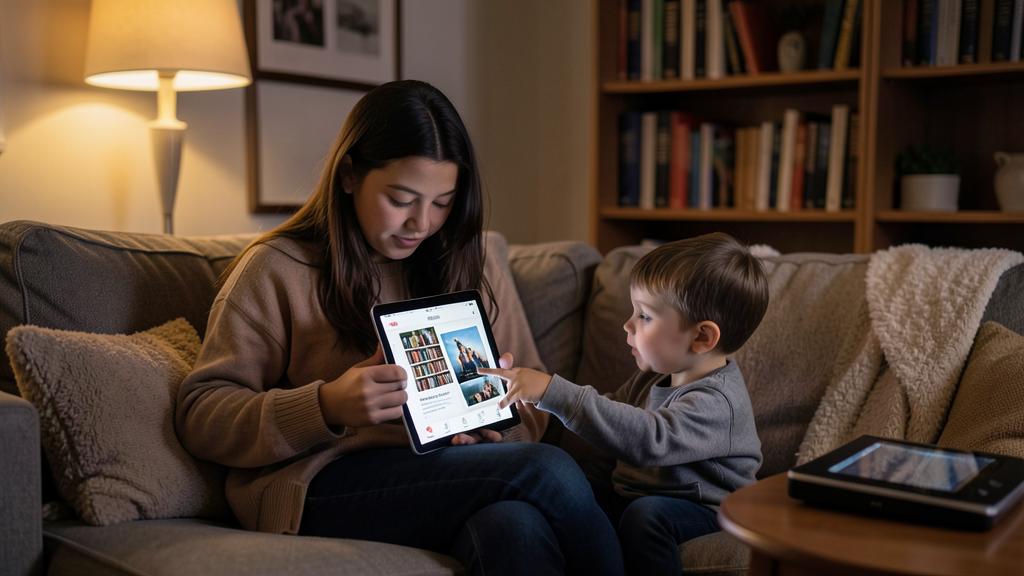
Organizing your digital reading: the management app — a personal library is managed (the historic free software for e-book management on computers: format conversion, metadata, sending to the e-reader — the Swiss Army knife of the digital reader); discoveries — librarians’ selections (the real gems — it’s their job), reader communities’ reviews, and our reading tracking guides (the app that notes what you’ve read and liked fuels the next desires); free contemporary authors — platforms’ promotional offers (free first volumes), self-published authors in free access, open licenses: real discoveries, keeping the reflex to support what you like (the author discovered for free is bought afterward — the ecosystem lives on that); and children — the digital youth section of libraries, albums on tablets WITH the adult (shared reading remains the one that builds — the screen changes nothing), and the teen’s e-reader (the “their own” object that reignites reluctant readers, without social networks inside). Free reading has a documented virtuous effect: you try more (zero error cost), so you read more widely — and often, more overall.
Beware of fake free. Alongside the legal ecosystem thrive pirate libraries and “free” download sites for new releases — beyond the legal question (authors live off their books: 30% of their economy is already fragile), these sites are malware and scam nests (the trapped files and fake registrations are the business model — our security guides): the “free” is paid for in data and risks. The legal free offer — public domain + libraries + promotions — covers the vast majority of real needs: the month’s bestseller, pending lending, is a matter of a few weeks’ patience, not a dubious download. And children learn what we practice: reading also has its ethics.
Frequent questions
Does digital lending have waiting lists?
Yes — like paper: publishers’ licenses limit simultaneous copies (it’s the compromise that finances authors): new releases are reserved (notification upon availability), older funds are immediate. The workarounds: systematic reservation (the book arrives when it arrives — you have other readings), the second network, and the public domain with no waiting.
Does reading on screen tire the eyes?
E-readers’ electronic ink, no — that’s precisely its purpose (no projected light: the comfort of paper, adjustable in size — a decisive advantage after 50). Classic screens (phone, tablet) can be adjusted: dark mode or sepia, low brightness in the evening, large size, breaks. And the adjustable text size makes digital reading more accessible than paper for many — visually impaired readers first.
What happens to my e-books if I change devices?
Public domain files belong to you (back them up like your documents — they’ll always follow): loans expire automatically; purchases tied to an ecosystem follow the account (with the dependency that our digital ownership guides describe: open format and backup remain the reader’s friends). All the more reason for open e-readers and EPUB.
What to remember
Free and legal reading is a continent: the public domain for classics (EPUB, heritage and volunteer digital libraries — thousands of masterpieces at zero euros forever), digital lending from libraries for recent works (novels, press, audio — the card for a few euros that opens everything, per household member), legal promotions for discoveries. The support follows the use: open e-reader for long reads (the object that makes you reread), phone for gaps, tablet for illustrated books — synchronized. And the ethical compass remains simple: legal free is huge, piracy costs authors and exposes you — support what you love. A call to your library, an app, a first loan: the summer reading pile can be ready tonight, without going through checkout.
Want to gain confidence with your digital tools? Our personalized training adapts to your level.
Leave a Reply
You must be logged in to post a comment.