
Lights you turn on with your voice, a thermostat that adjusts itself, shutters that close at a set time, a speaker that answers your questions, cameras you monitor from your phone: the SMART HOME (or «domotics») is no longer science fiction. But where are we really? Is it accessible, useful, or just a gadget? Should you get started, and where to begin? Between marketing promises and reality, let’s take stock—without hype or rejection—of what the smart home actually brings today and its limits.
The smart home: what are we talking about?
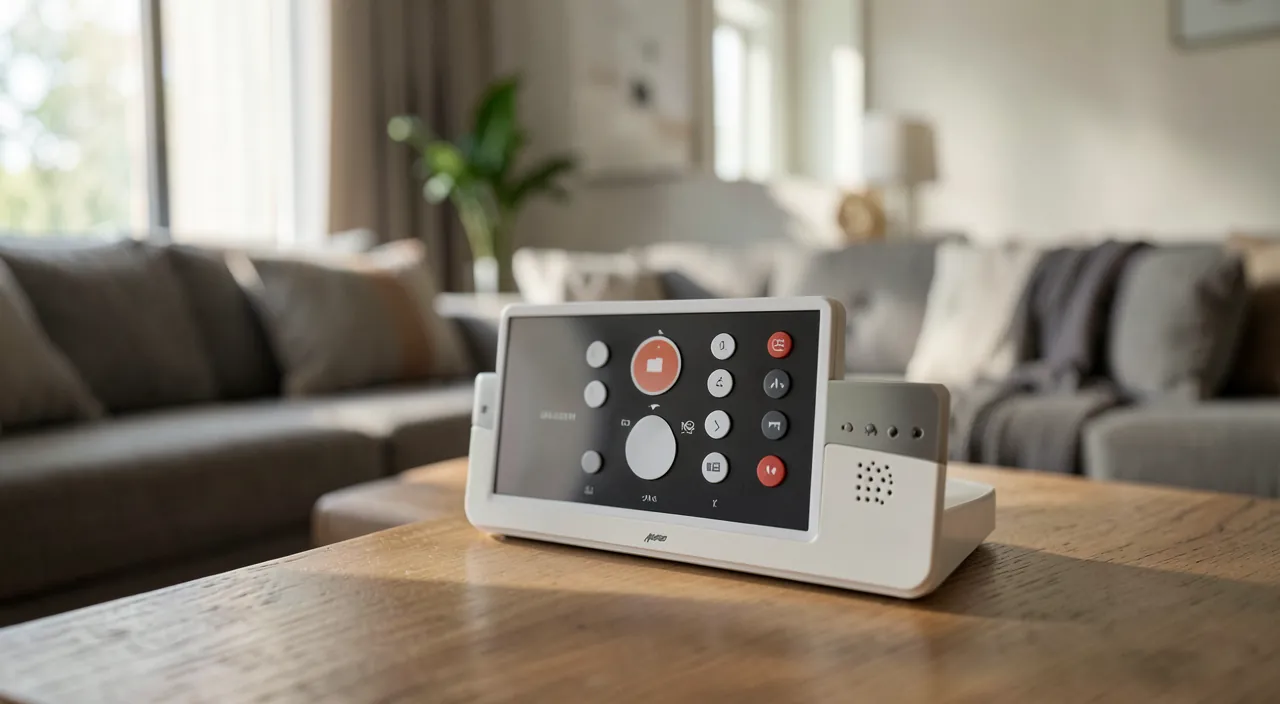
Let’s clarify what we mean by «smart home». The PRINCIPLE: the smart home groups together objects and appliances in the home that are CONNECTED (to the internet, to your network) and that you can CONTROL remotely (from your phone) or automate (they act alone based on rules); we also call this «domotics». What you can CONNECT: LIGHTING (connected bulbs: turn on/off/adjust remotely or by voice); HEATING (connected thermostat: adjust temperature remotely, program); SHUTTERS/blinds; CONNECTED OUTLETS (turn on/off what’s plugged in); CONNECTED SPEAKERS/voice assistants (answer questions, control the rest, music); SURVEILLANCE CAMERAS and video doorbells; DETECTORS (smoke, motion, opening); CONNECTED LOCKS; CONNECTED APPLIANCES; and many others. How it WORKS: you CONTROL these objects from an APP on your phone (remotely, from anywhere), or by VOICE (via a voice assistant), or you AUTOMATE them (rules: «shutters close at 9 PM», «heating lowers when I leave»); the objects communicate via the network/internet. The POTENTIAL BENEFITS: COMFORT (control your home from your couch or remotely, all by voice); ENERGY SAVINGS (optimized heating, automatic shutdown); SECURITY (surveillance, detectors, alerts); ACCESSIBILITY (valuable for people with reduced mobility or the elderly: control everything by voice or remotely); automation of repetitive tasks. Where are we REALLY? The smart home has BECOME MORE ACCESSIBLE: objects are more affordable, easier to install than before; you can start small (a bulb, an outlet, a speaker) without a big investment; BUT it’s not yet the «home of the future» totally seamless: there are still complications (compatibility between brands, configuration, reliability), and not everything is essential (some of it is gadget). What to remember to get started: the smart home groups together objects that can be controlled remotely, by voice, or automated (lighting, heating, shutters, cameras, speakers…); it brings comfort, savings, security, and accessibility; it has become more accessible (affordable, you can start small), but remains imperfect (compatibility, configuration) and partly gadget; the challenge is to know what is REALLY useful for YOU. Let’s take stock.
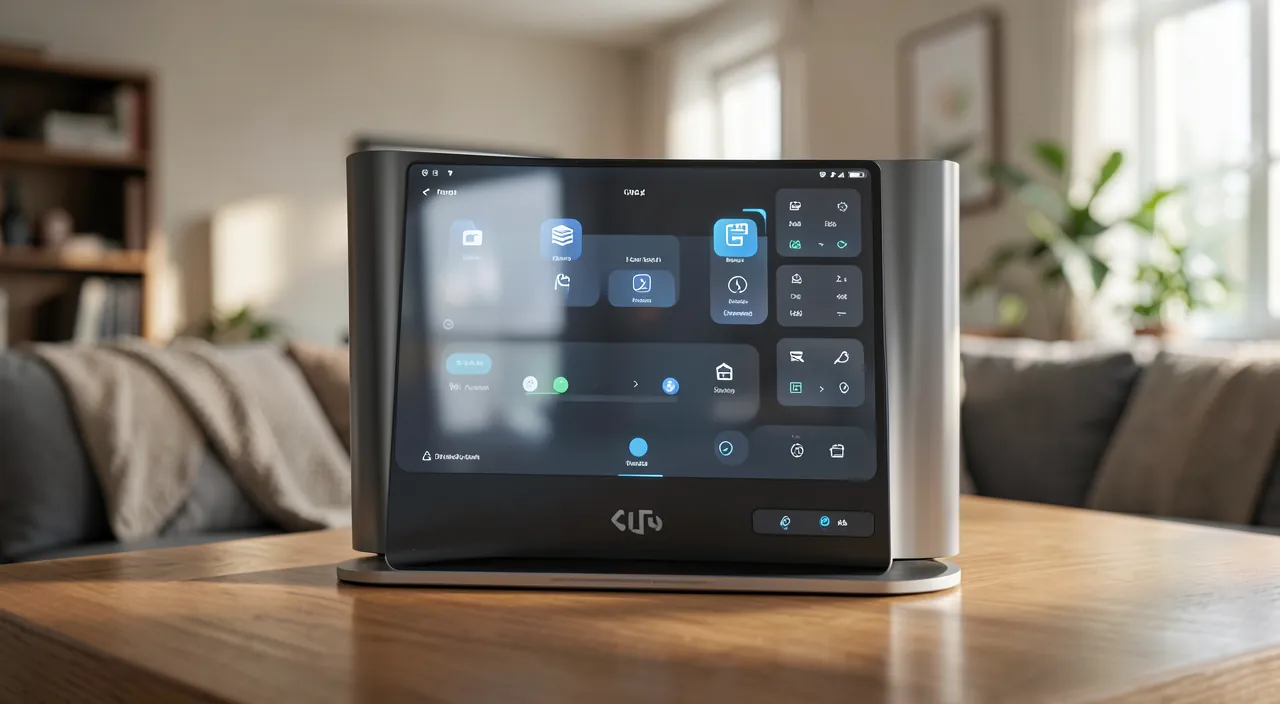
A smart home connects devices to the internet so you can control them from your phone or with your voice. It can make your life easier by automating things like lights, heating, and security. But it’s not perfect – some devices don’t work well together, and you need to be careful about security. The key is to start with just one useful device and see if it helps you before adding more.
Imagine you install a smart thermostat like the Nest Learning Thermostat. You can control it from your phone when you’re away, set schedules, and even have it learn your habits. Studies show this can save about 12% on heating bills. But if your WiFi goes out, you might not be able to adjust it remotely – so you’d need a manual backup plan.
What’s really useful (and what’s less so)
Let’s distinguish truly useful uses from gadgets, to make wise choices. The USES that are REALLY useful for many people: the CONNECTED THERMOSTAT: adjusting and programming your heating (remotely, based on your schedule, your presence) brings both comfort AND real energy savings; often one of the most profitable and useful investments. CONNECTED LIGHTING: practical (turn on/off by voice or remotely, program, simulate a presence when you’re away—useful for security), and can save energy; pleasant on a daily basis. CONNECTED OUTLETS: simple and inexpensive, they allow you to turn on/off any plugged-in appliance (remotely, at a set time); versatile. SECURITY: cameras, video doorbells (see who’s ringing, even when you’re away), detectors (smoke, intrusion) with alerts on your phone; reassuring, especially when you’re away; but beware of privacy (see below). ACCESSIBILITY: for people with reduced mobility, the elderly, or people with disabilities, controlling the home BY VOICE or remotely (lights, shutters, heating) is a real plus for autonomy and comfort; a particularly valuable use. SPEAKERS/voice assistants: answering questions, timers, music, controlling other objects by voice; practical, but beware of privacy (microphone in the home). What’s more GADGET or dispensable: many connected objects are more «gadgets» than essential; you can quickly be tempted by connected objects you don’t really need (which complicate instead of simplifying); ask yourself: does this object REALLY serve me, or is it just «for fun»? The RULE OF COMMON SENSE: the smart home is useful when it meets a REAL NEED (daily comfort, savings, security, accessibility), not when you connect «just to connect»; the best use is the one that REALLY simplifies your life. START SMALL: you can get started with a single useful object (a bulb, an outlet, a thermostat, a speaker) to test, without equipping everything at once; it’s the best way to see what really serves you before investing more. The USEFULNESS/COMPLEXITY RATIO: each connected object also adds complexity (configuration, app, maintenance, dependencies); the useful must outweigh the complication; only connect what brings more than it complicates. In summary: the truly useful uses (thermostat for savings, lighting and outlets for comfort, security, and especially accessibility for people with specific needs) bring real benefits; but many objects are more gadgets than essential; the key is to only connect what meets a REAL NEED and truly simplifies your life; start small to test; and always weigh usefulness against added complexity.
The right reflex: start small, with a real need—not connect everything at once. Faced with the temptation of the «home of the future», the best advice is to START SMALL and start with a REAL NEED, rather than equipping everything at once. Why? Because the smart home is useful when it REALLY simplifies life, and a gadget when you connect «just to connect»; by starting small, you discover what REALLY serves you before investing more. The approach: identify a CONCRETE NEED in your daily life—for example, «I’d like to better manage my heating to save money» (→ a connected thermostat), «I’d like to easily turn on/off such a lamp» (→ a connected bulb or outlet), «I want to see who’s at the door even when I’m away» (→ a video doorbell), «an elderly relative would need to control the lights and shutters by voice» (→ connected lighting/shutters + voice assistant)—then equip yourself with ONE object that meets that need; test it, see if it really serves you; if so, you can gradually expand; if not, you won’t have invested in an entire useless system. The most PROFITABLE and useful uses to start with: the CONNECTED THERMOSTAT (comfort AND real energy savings: often the most profitable investment), CONNECTED OUTLETS (inexpensive, versatile: turn on/off anything), and CONNECTED LIGHTING (practical and pleasant); for SECURITY, a video doorbell or a camera (with privacy precautions). ACCESSIBILITY deserves special mention: for a person with reduced mobility, elderly, or with a disability, the smart home (controlling everything by voice or remotely) brings real AUTONOMY and real comfort; it’s perhaps where it’s most valuable; if you or a loved one are concerned, it’s worth looking into. On the other hand, resist the temptation to accumulate connected objects «because it’s modern»; each object adds COMPLEXITY (configuration, app, maintenance, risk of failure, dependencies); only connect what the usefulness clearly outweighs the complication. By starting small, with a real need, and only expanding if it serves you, you’ll benefit from the real benefits of the smart home (comfort, savings, security, accessibility) without falling into the expensive and complicated gadget; it’s the wise way to approach domotics: at the service of YOUR daily life, not the trend.
The limits, compatibility, and security
The smart home has real limits and challenges to be aware of before getting started. COMPATIBILITY between brands: this is one of the main complications; connected objects from different brands don’t always «talk» to each other or with the same assistant/the same app; you can end up with multiple apps, objects that don’t coordinate; common standards are developing to improve this, but the situation remains imperfect; BEWARE when buying about compatibility (with your voice assistant, your ecosystem); check before. CONFIGURATION and reliability: installing and configuring connected objects sometimes requires patience (WiFi connection, app, settings); and it can sometimes BUG (object that doesn’t respond, connection lost, update); the «home of the future» isn’t yet perfectly seamless; you need a minimum of tolerance for technology. DEPENDENCE on WiFi/internet and electricity: many connected objects depend on your internet connection and your WiFi; a box or power outage can make them inoperable; think about what happens in case of a power outage (a connected lock that no longer opens? a heating system you can no longer adjust?); prioritize objects with a «manual» backup mode. SECURITY and PRIVACY: MAJOR ISSUE; connected objects (especially cameras, speakers/microphones, locks) touch the intimacy of your home; risks: a poorly secured object can be hacked (a hacked camera would expose your interior!); the data collected (habits, presence, images, voice) raise privacy questions; ESSENTIAL PRECAUTIONS: secure your WiFi (our guides secure your home WiFi), change the default passwords of objects (often weak), keep them UPDATED, choose SERIOUS brands, optionally isolate them on a guest network, and be particularly vigilant with CAMERAS and microphones (our guides secure your connected objects). THE COST: equipping your home can quickly become expensive if you multiply the objects; start small; evaluate real usefulness vs. price. DEPENDENCE on services and brands: some objects depend on an online service from the manufacturer (if the manufacturer stops the service, the object may become unusable); this is a risk to be aware of; prioritize established players. COMPLEXITY for some: the smart home can be confusing for people uncomfortable with technology; paradoxically, it can complicate rather than simplify if not mastered; support helps. The right BALANCE: the smart home offers real benefits, but with limits (compatibility, reliability, dependencies) and challenges (security, privacy, cost); approach it with DISCERNMENT: start small, choose useful objects and serious brands, secure them, and keep dependencies in mind. In summary: beware of COMPATIBILITY (check before buying), CONFIGURATION and reliability (patience, tolerance for technology), DEPENDENCE on WiFi/electricity (plan for manual backups), COST, and especially SECURITY and PRIVACY (objects touching the intimacy of the home: secure WiFi, changed passwords, updates, serious brands, vigilance on cameras and microphones); these limits and challenges don’t condemn the smart home, but they require a discerning approach.
Warning: security and privacy first, compatibility to verify, and dependencies to anticipate. The smart home brings real benefits, but has serious challenges not to be neglected. SECURITY and PRIVACY are the MAJOR ISSUE: connected objects touch the INTIMACY of your home (cameras that see your interior, speakers with microphones that listen, locks that control access, sensors that know when you’re there); a poorly secured object can be HACKED—a hacked connected camera would expose your interior and your privacy to a stranger; and the data collected (habits, presence, images, voice) raise real privacy questions; precautions are ESSENTIAL: SECURE your home WiFi (strong password, modern encryption—our guides secure your WiFi), CHANGE the DEFAULT PASSWORDS of objects (often weak or known: an open door for hackers), keep objects UPDATED (updates fix vulnerabilities), choose SERIOUS and recognized brands, optionally isolate them on a guest WiFi network, and be PARTICULARLY vigilant with CAMERAS and MICROPHONES (strong password, updates; think about their placement and what they capture). Check COMPATIBILITY before buying: objects from different brands don’t always work together or with the same assistant/the same app; check compatibility (with your voice assistant, your ecosystem) BEFORE buying, to avoid ending up with objects that don’t coordinate and multiple apps. Anticipate DEPENDENCIES: many objects depend on WiFi/internet and electricity; what happens in case of a POWER OUTAGE (box, electricity)? A connected lock that no longer opens, a heating system you can no longer adjust? Prioritize objects with a MANUAL backup mode, and think about power outage scenarios. Beware of dependence on the MANUFACTURER’S SERVICE: some objects only work with an online service from the manufacturer; if the manufacturer shuts down this service, the object may become unusable; prioritize established and serious players. THE COST: equipping an entire home can quickly be expensive; start small, evaluate real usefulness vs. price; don’t let yourself be tempted to accumulate gadgets. RELIABILITY: connected objects can bug (connection lost, crash); a minimum of tolerance for technology is necessary; don’t make CRITICAL functions (access, security) totally dependent on an object that could fail without a backup. For people UNCOMFORTABLE with technology: the smart home can complicate rather than simplify if not mastered; plan for support (our guides support a loved one with technology); once properly configured and explained, daily use can be simple (especially by voice). By placing SECURITY and privacy first (secure WiFi, changed passwords, updates, serious brands, vigilance on cameras/microphones), checking compatibility before buying, anticipating dependencies and outages, and controlling costs, you’ll benefit from the advantages of the smart home without suffering its risks—which are real, especially for your privacy.
Frequently asked questions
Is the smart home really useful or is it just a gadget?
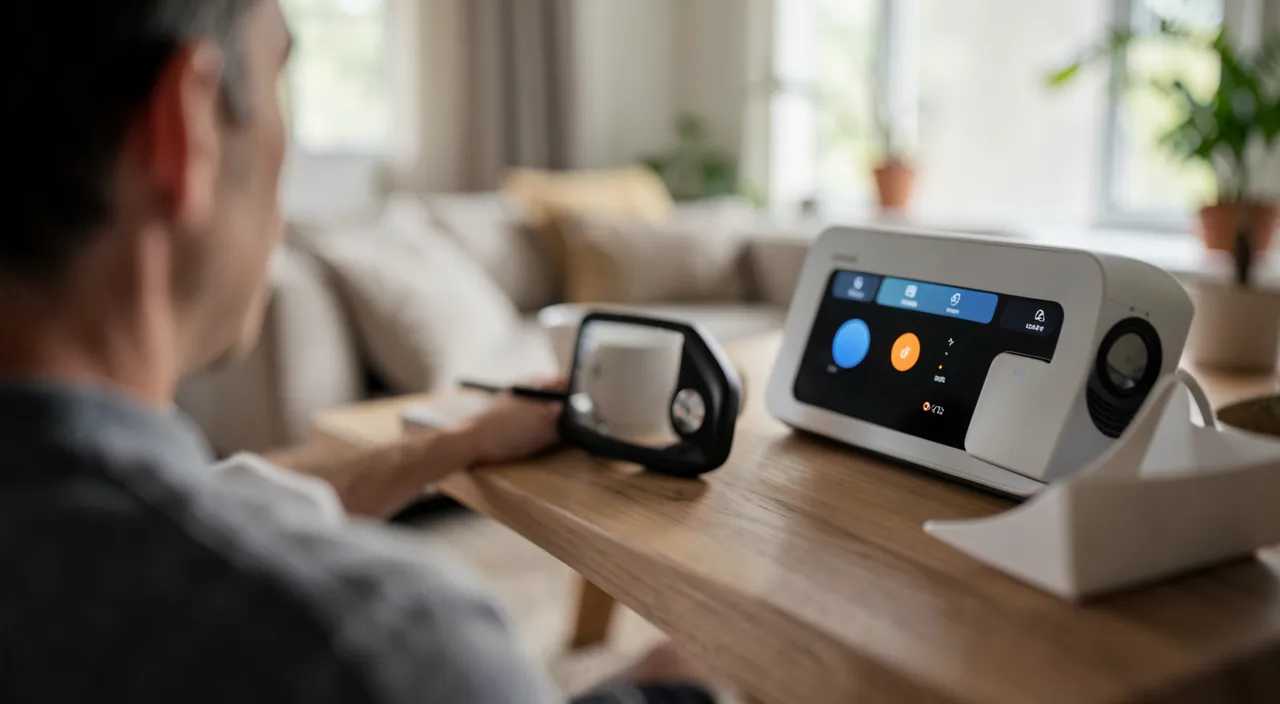
It depends on what you connect and why: it’s very useful for some uses, more of a gadget for others. The REALLY useful uses: the CONNECTED THERMOSTAT (adjust and program your heating: comfort AND real energy savings—often the most profitable investment); CONNECTED LIGHTING and OUTLETS (practical daily, turn on/off remotely or by voice, program, simulate a presence for security); SECURITY (cameras, video doorbells, detectors with alerts: reassuring, especially when you’re away); and especially ACCESSIBILITY: for people with reduced mobility, the elderly, or people with disabilities, controlling the home by voice or remotely brings real autonomy—this is perhaps the most valuable use. For these needs, the smart home is NOT a gadget: it brings real benefits (comfort, savings, security, autonomy). BUT many connected objects are more GADGETS than essential; you can quickly accumulate objects «because it’s modern» without really needing them, which complicate rather than simplify (configuration, multiple apps, maintenance). The question to ask for each object: «Does it REALLY serve me, does it meet a REAL NEED, or is it just for fun?»; the smart home is useful when it REALLY simplifies life, a gadget when you connect «just to connect». The right reflex: START SMALL, with a real need (a thermostat, an outlet, a speaker), test if it serves you, and expand only if it brings value; don’t equip everything at once. In summary: the smart home is really useful for specific needs (heating/savings, lighting comfort, security, and especially accessibility for concerned people), but many objects are dispensable; neither all gadgets nor an indispensable revolution; it’s up to you to only connect what meets a real need and simplifies your life; start small to discover.
Is it complicated to install and use?
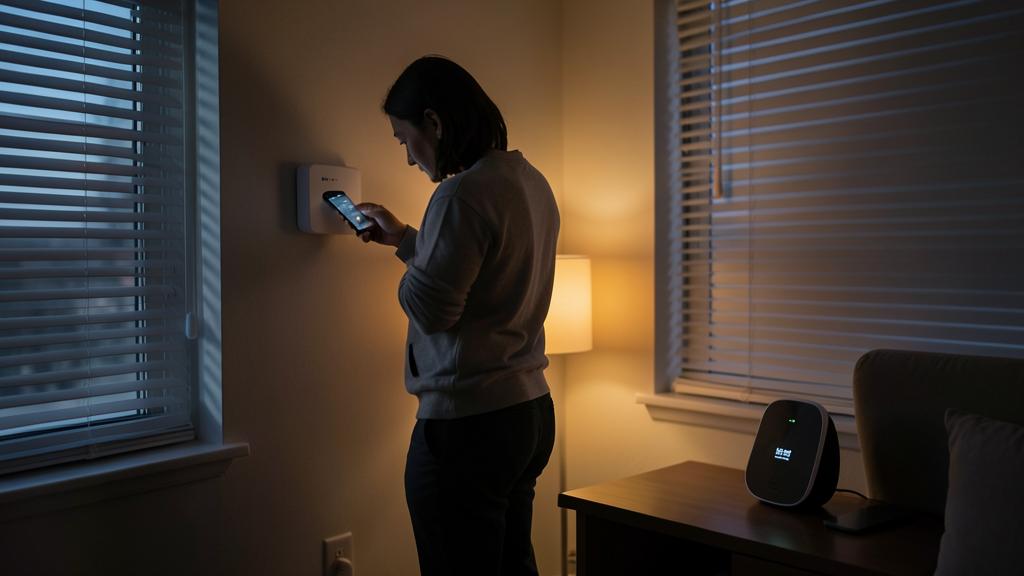
It’s become simpler, but requires a minimum of technical ease; it depends on the objects and on you. The smart home has BECOME MORE ACCESSIBLE: many objects are now easier to install and use than before; typically, you install an APP, connect the object to the WiFi and the app following the instructions, and control it from your phone or by voice; for simple objects (an outlet, a bulb, a speaker), it’s generally accessible. HOWEVER, it requires a MINIMUM of ease with technology: you have to configure (WiFi connection, account, settings), manage one or more apps, and sometimes deal with BUGS (object that doesn’t respond, connection lost, update to do); the «home of the future» isn’t yet perfectly seamless; a certain tolerance for technology is useful. POSSIBLE COMPLICATIONS: COMPATIBILITY between brands (different objects don’t always coordinate; you can end up with multiple apps); sometimes laborious configuration; dependencies (WiFi, internet). To make it SIMPLER: start SMALL (one or two simple objects to familiarize yourself); choose objects COMPATIBLE with each other and with your assistant/ecosystem (check before buying, to control everything from the same place); prioritize reputable brands with well-designed apps; follow installation instructions carefully. For people UNCOMFORTABLE with technology: the smart home can be confusing, even complicate rather than simplify; SUPPORT (by a tech-savvy loved one) for installation and getting started helps a lot (our guides support a loved one with technology); once properly configured and explained, daily use can be simple (especially by voice). In summary: installing and using the smart home has become simpler, but requires a minimum of technical ease (configuration, apps, occasional bug management); for simple objects, it’s accessible; start small, choose compatible objects and reputable brands, and get support if needed; it’s neither totally «plug-and-play» nor reserved for experts, but an in-between that requires a bit of patience.
Do connected objects present risks to my privacy?
Yes, it’s a real and important issue, as these objects touch the intimacy of your home. Connected objects can pose privacy and security risks, to be taken seriously: some SEE (cameras, video doorbells: images of your interior/entrance), LISTEN (speakers/assistants with microphones in your rooms), or KNOW (presence sensors, habits, when you’re there or away); the DATA collected (images, voice, habits, presence) are sensitive; and a poorly secured object can be HACKED—the most serious case being a HACKED CAMERA that would expose your interior to a stranger. These risks are real, but can be MANAGED with precautions: SECURE your home WiFi (strong password, modern encryption: it’s the entry point for all your objects—our guides secure your WiFi); CHANGE the DEFAULT PASSWORDS of connected objects (often weak or known to hackers: a critical point); keep objects UPDATED (updates fix vulnerabilities); choose SERIOUS and recognized brands (rather than dubious low-end objects, often poorly secured); optionally isolate connected objects on a guest WiFi network (to separate them from your main devices); and be PARTICULARLY vigilant with cameras and microphones (thoughtful placement, strong password, updates). Also think about what you ACCEPT: a voice assistant with a microphone in the living room, a camera in certain rooms—are you comfortable with what these objects capture? Check privacy settings, what the manufacturer does with the data, and only install cameras/microphones where it’s justified and acceptable to you. In summary: yes, connected objects present privacy and security risks (they touch the intimacy of the home; risk of hacking, especially of cameras; collection of sensitive data), but these risks can be managed with essential precautions: secure WiFi, changed default passwords, updates, serious brands, vigilance on cameras and microphones, and reflection on what you accept; with these precautions, you benefit from the advantages while protecting your privacy; without them, you expose your home; security must be an absolute priority with these objects.
What to remember
The smart home (domotics) groups together objects that can be controlled remotely, by voice, or automated: lighting, heating, shutters, outlets, speakers/assistants, cameras, detectors, locks… It brings real benefits: COMFORT (control your home), ENERGY SAVINGS (optimized heating), SECURITY (surveillance, alerts), and especially ACCESSIBILITY (valuable for people with reduced mobility or the elderly: control by voice/remotely). Where are we? It has BECOME MORE ACCESSIBLE (affordable, you can start small), but remains imperfect (compatibility between brands, configuration, reliability) and partly GADGET. The right reflex: start SMALL, with a REAL NEED (don’t connect everything at once); identify a concrete need, equip yourself with an object that meets it, test, and expand only if it really serves you. The most useful uses: THERMOSTAT (savings: often the most profitable), lighting and outlets (comfort), security (cameras/doorbells, with precautions), and accessibility (the most valuable for concerned people). Ask yourself for each object: «Does it REALLY serve me or is it a gadget?»; only connect what REALLY simplifies your life (each object adds complexity). The LIMITS and CHALLENGES to know: COMPATIBILITY between brands (check BEFORE buying, to control everything from the same place); CONFIGURATION and reliability (patience, tolerance for bugs); DEPENDENCIES on WiFi/electricity (anticipate outages; prioritize a manual backup mode; beware of dependence on the manufacturer’s service); COST (can quickly add up: start small); and especially SECURITY and PRIVACY: MAJOR ISSUE, as these objects touch the intimacy of the home (cameras, microphones, locks); a poorly secured object can be hacked (a hacked camera exposes your interior!); precautions are essential: secure WiFi, changed default passwords, updates, serious brands, isolation on a guest network, particular vigilance on cameras and microphones. Approach the smart home with DISCERNMENT, without hype or rejection: it offers real services for specific needs (especially comfort, savings, accessibility), provided you start small, only connect what’s useful, check compatibility, anticipate dependencies, and prioritize security and privacy; this way, it simplifies your daily life rather than complicating it.
Want to understand and master the technologies that change your daily life? Our training programs will enlighten you.
Leave a Reply
You must be logged in to post a comment.