
The phone rings: it’s your « bank, » « your computer’s technical service, » « a consultant » who announces an urgent problem and asks you to act. Phone scams (known as « vishing ») are terrifying: the human voice, pressure, and urgency push you to lower your guard. They often target the most vulnerable people. Knowing how to recognize these fraudulent calls and, above all, HANG UP at the right time is the best protection. Here’s how to identify a phone scam, the scammers’ techniques, and the reflexes to avoid being tricked.
How phone scams work
Phone scams (sometimes called « vishing, » from voice phishing) involve CALLING you while pretending to be a trusted organization or person to extort money, information, or access to your accounts. The human voice and direct contact make them particularly effective: harder to ignore than an email, they play on emotion, pressure, and trust. The most common SCENARIOS: the FAKE BANK ADVISOR: « your account has a suspicious transaction, confirm your codes / make a security transfer »; the FAKE TECHNICAL SUPPORT: « your computer is infected, let me access it remotely to fix it » (to install malware or extort payment); the FAKE ORGANIZATION (administration, Social Security, operator, supplier): a problem, a refund, a bill to pay; the EMOTIONAL or FEAR-based SCAM (a relative in trouble— »your grandson has a problem, send money »—a threat, a fine); the FAKE WIN (« you’ve won, to receive your prize, pay fees »); or ABUSIVE TELEMARKETING pushing you to subscribe or pay. The TECHNIQUES used: URGENCY (act now, or…); FEAR (hacked account, penalty, danger); AUTHORITY (pretending to be your bank, the police, an official organization); TRUST (a professional tone, information about you to seem legitimate); and PRESSURE to prevent you from thinking or hanging up. Scammers are often well prepared: they may know your name, some information, and play their role perfectly. What you need to understand: a SERIOUS organization (bank, administration) will NEVER ask you for your secret codes, password, to make a « security » transfer, or remote access to your computer by phone; these requests ARE the scam. And when faced with pressure or urgency on the phone, the best reflex is always to HANG UP and verify for yourself. The key idea: phone scams pretend to be a trusted organization or relative and use urgency, fear, and authority to extort money, information, or access; the human voice and pressure make them terrifying. Recognizing them (requests a real organization would never make, pressure to act quickly) and knowing when to HANG UP to verify is essential protection—these scams only work if you stay on the line and give in to pressure.
Phone scams are calls pretending to be from someone you trust, like your bank or a relative. They use urgency and fear to make you act quickly without thinking. The key is that real organizations will never ask for your passwords, money transfers, or remote access over the phone. If you feel pressured, just hang up and call the organization back using their official number.
A common scam: a caller claims to be from your bank, saying your account has been hacked. They ask you to “secure” your account by transferring money to a new account they provide. A real bank would never ask for this – it’s a scam to steal your money. Always hang up and call your bank directly using the number on your card.

Recognize and outsmart: hang up at the right time
Here’s how to recognize a phone scam and, above all, react. The WARNING SIGNS of a fraudulent call: A request for SENSITIVE INFORMATION—codes, password, full bank details: a real organization NEVER asks for these by phone. A request for MONEY or a transfer—especially « urgently, » « for security, » to an account indicated: never legitimate. A request for ACCESS to your computer—a « technical support » that wants to connect remotely: it’s a scam (to install malware or extort payment). URGENCY and PRESSURE— »act now, » « don’t hang up, » « it’s serious »: pressure is a sign of a scam (they want to prevent you from thinking). An ALARMING or too-good-to-be-true scenario—hacked account, relative in danger, prize to claim. An UNUSUAL PAYMENT request—prepaid cards, immediate transfer, hard-to-trace payment methods: a classic scam signal. The REACTION, the most important reflex: HANG UP—you are NEVER obliged to stay on the line; when faced with a suspicious call, a sensitive request, or pressure, just HANG UP; it’s your best protection, and you have every right to do so (don’t feel rude—your safety comes first). Give NO sensitive information—no codes, no password, no bank details. Make NO transfers or payments under the pressure of a call. Grant NO access to your computer. VERIFY yourself—doubt about a real problem (bank, organization)? CALL the organization back using its OFFICIAL number (the one on your card, statement, or official website), NEVER the number that called you or the one they give you; you’ll see the call was fake. For a « family emergency, » contact the relative directly using their usual contact details. REPORT and block—report fraudulent calls (devices exist for this) and block the number. A few TIPS: take your TIME (a real organization understands you want to verify and call back; only a scam demands you act immediately without hanging up); be wary EVEN if the caller knows information about you (scammers do their research); and don’t let yourself be intimidated by the displayed authority. A CRUCIAL point for VULNERABLE relatives: these scams often target the elderly or isolated; TALK to your relatives, explain these traps and the reflex to hang up and verify; it’s precious protection (our guides on protecting loved ones from scams). In summary, recognize a phone scam by its signals (request for sensitive info, money, or access; urgency and pressure; alarming scenario), and outsmart it with the essential reflex: HANG UP, give nothing, and verify yourself by calling the organization’s official number. You always have the right to hang up: it’s your best defense.
The right reflex. The reflex that protects you from almost all phone scams comes down to one word: HANG UP. You are NEVER obliged to stay on the line, and you have every right to do so—don’t feel rude, your safety comes before politeness. When faced with a call asking for sensitive information (codes, password, bank details), money (a « security » transfer or urgently), or access to your computer (a « technical support »), or that puts PRESSURE on you to act immediately: just hang up. Remember the golden rule that foils everything: a serious organization (bank, administration) will NEVER ask you for your secret codes, a security transfer, or remote access to your computer by phone—these requests ARE the scam. Don’t give ANY sensitive information, make NO transfers, grant NO access under the pressure of a call. If you’re in doubt about a real problem, VERIFY yourself: hang up, then call the organization back using its OFFICIAL number (the one on your bank card, statement, or official website)—NEVER the number that called you or the one they give you; you’ll see the call was fake. For a « family emergency » (« your grandson has a problem »), contact the relative directly using their usual contact details before doing anything. Always take your TIME: a real organization understands you want to hang up and call back to verify; only a scam demands you act immediately without hanging up. Be wary EVEN if the caller knows your name or information about you (scammers research to seem credible), and don’t let yourself be intimidated by the displayed authority. Finally, TALK to your vulnerable relatives (elders, isolated people), often targeted: explaining the reflex to hang up and verify can save them from the worst. Hang up, give nothing, verify with an official number: these three actions protect you from phone scams.
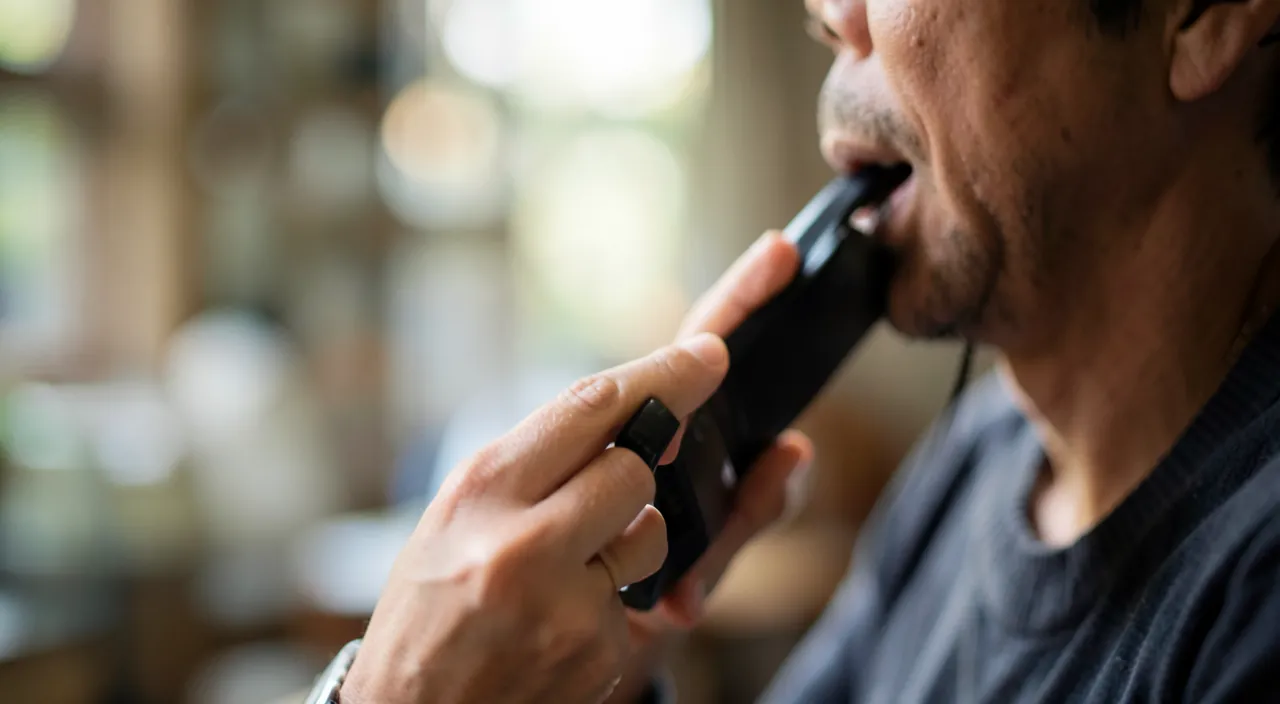
Keeping control under pressure
Phone scams rely entirely on your HOT REACTION: keeping control under pressure is therefore the key. A few guidelines. The RIGHT to hang up: you are never obliged to continue a phone conversation; hanging up is not rude, it’s cautious; don’t let politeness or pressure keep you on the line. SUSPICION of urgency: urgency is the scammers’ number one weapon; it aims to prevent you from thinking and verifying; a real organization gives you time, a scam rushes you; when faced with any urgency on the phone, slow down, don’t give in. INDEPENDENT VERIFICATION: never trust the number that calls or the one they give you; always verify through a channel YOU choose (official number of the organization, direct contact of the relative); this is the action that exposes the scam. The RULE of impossible requests: codes, password, security transfer, remote access—a real organization NEVER asks for these by phone; memorize this list, it identifies the scam for sure. RESISTANCE to emotion: fear (hacked account, penalty), affection (relative in danger), bait (prize)—scammers play on emotions; recognizing that they’re trying to emotionally manipulate you helps keep a cool head. PROTECTION of the vulnerable: these scams particularly target the elderly and isolated; openly discussing these traps with relatives, without infantilizing them, arms them (our guides on protecting loved ones). REPORTING: reporting and blocking fraudulent numbers helps collective efforts. In summary, phone scams pretend to be a trusted organization or relative and use urgency, fear, and authority to extort money, information, or access; the voice and pressure make them terrifying, and they often target the most vulnerable. Protection lies in simple reflexes: recognizing the signals (requests a real organization would never make—codes, transfer, access; urgency and pressure; alarming scenario), and above all HANGING UP (you always have the right to do so), giving nothing, and VERIFYING yourself by calling an official number. Keep control under pressure: take your time, be wary of urgency, don’t let yourself be emotionally manipulated or intimidated, and protect your vulnerable relatives by explaining these traps to them. These scams only work if you stay on the line and give in to pressure: by hanging up and calmly verifying, you foil them for sure. Your best weapon isn’t technical—it’s your composure and your right to say « no » by hanging up.

Warning: never give your codes or access, don’t call the provided number, and protect your vulnerable relatives. Key points. CODES, TRANSFERS, AND ACCESS—a serious organization (bank, administration) will NEVER ask you for your secret codes, password, to make a « security » transfer, or remote access to your computer by phone; these requests ARE the mark of a scam, without exception; never satisfy them, no matter the pressure or credibility of the caller. VERIFY THROUGH THE RIGHT CHANNEL—never call back the number that called you or the one they give you (it leads to scammers); to verify a doubt, hang up and call the organization back using its OFFICIAL number (the one on your bank card, statement, or official website you consult yourself); for a « family emergency, » contact the relative directly using their usual contact details. VULNERABLE RELATIVES—these scams particularly target ELDERLY and ISOLATED people, who can be more easily intimidated or emotionally manipulated; don’t leave them alone facing this risk: talk to them about these traps (fake bank advisor, fake distressed grandson, fake technical support), explain the reflex to HANG UP and verify, without infantilizing them; this conversation can save them from losing money and data. Other traps: giving in to URGENCY (it’s manufactured to prevent you from thinking—always take the time), trusting the caller because they KNOW your name or information (scammers research), accepting UNUSUAL payment methods (prepaid cards, immediate transfer—scam signal), and feeling OBLIGED to be polite on the line (hanging up is your right and best protection). If you’ve already given information or money: act quickly (contact your bank to block/monitor, change your passwords if you shared them, report to authorities); don’t feel guilty, these scammers are manipulative, but act quickly (our guides on what to do after a scam). Phone scams only succeed through pressure and keeping you on the line: hanging up, never giving codes, money, or access, and verifying with an official number protect you for sure—you and your most exposed relatives.

Frequent questions
How to recognize a phone scam?
By several signals. A request for SENSITIVE INFORMATION (codes, password, full bank details)—a real organization never asks for these by phone. A request for MONEY or a transfer, especially « urgently » or « for security. » A request for ACCESS to your computer (a fake « technical support »). URGENCY and PRESSURE (« act now, » « don’t hang up ») aiming to prevent you from thinking. An ALARMING scenario (hacked account, relative in danger, penalty) or too good to be true (a prize). A request for UNUSUAL payment (prepaid cards, immediate transfer). The rule that foils everything: a serious organization will NEVER ask you for your codes, a security transfer, or remote access by phone—these requests ARE the scam. Be wary EVEN if the caller knows your name or information (scammers research to seem credible). At the first of these signals, don’t continue: hang up and verify yourself by calling the organization via its official number.
What to do if I receive a suspicious call?
HANG UP: it’s the most important reflex, and you have every right to do so (don’t feel rude, your safety comes first). Don’t give ANY sensitive information (codes, password, bank details), make NO transfers or payments, and grant NO access to your computer, no matter the pressure. If you have a doubt about a real problem (your bank, an organization), VERIFY yourself: call the organization back using its OFFICIAL number (the one on your card, statement, or official website), never the number that called you or the one they give you; you’ll see the call was fake. For a « family emergency, » contact the relative directly using their usual contact details. Take your time: a real organization understands you want to hang up and verify; only a scam rushes you. Finally, report the fraudulent call and block the number. HANGING UP, giving nothing, verifying with an official number: these simple actions protect you from almost all phone scams.

How to protect an elderly relative from these scams?
By openly talking to them, without infantilizing them. Phone scams often target the elderly or isolated, who can be more easily intimidated or emotionally manipulated. Explain the common scenarios to them: the fake bank advisor (who asks for codes or a transfer), the fake « distressed grandson » (who urgently asks for money), the fake technical support (who wants access to the computer), the fake organization. Give them the essential reflex: HANG UP (it’s their right, it’s not rude), NEVER give codes, money, or access by phone, and VERIFY by calling the organization themselves using its official number, or by directly calling the relative concerned. Emphasize that a real organization never asks for these by phone and always gives time to verify; only a scam rushes. Encourage them to call YOU in case of doubt before acting. Agree on a simple rule (« in case of a call asking for money or codes, we hang up and call me »). This conversation, conducted with respect and kindness, can save them from losing money and data: it’s one of the most precious protections.
What to remember
Phone scams (« vishing ») pretend to be a trusted organization or relative (fake bank advisor, fake technical support, fake organization, fake relative in distress, fake prize) to extort money, information, or access to your accounts. The human voice, urgency, and pressure make them terrifying, and they often target vulnerable people (elderly, isolated). The techniques: urgency (to prevent you from thinking), fear, authority (pretending to be your bank, the police), and trust (professional tone, information about you). The GOLDEN RULE that foils everything: a serious organization will NEVER ask you for your secret codes, password, a « security » transfer, or remote access to your computer by phone—these requests ARE the scam. The warning signs: request for sensitive information, money, or access; urgency and pressure; alarming or too-good-to-be-true scenario; unusual payment (prepaid cards, immediate transfer). The ESSENTIAL reflex: HANG UP—you are never obliged to stay on the line, and you have the right to do so (don’t feel rude). Don’t give any information, make no transfers, grant no access under pressure. If in doubt, VERIFY yourself: call the organization back using its OFFICIAL number (never the one that calls or the one they give you), or contact the relative directly. Take your time (a real organization understands this; only a scam rushes), be wary EVEN if the caller knows information about you, and don’t let yourself be emotionally manipulated or intimidated. Report and block fraudulent numbers. And above all, PROTECT your vulnerable relatives: talk to them about these traps and the reflex to hang up and verify—it’s precious protection. These scams only work if you stay on the line and give in to pressure: by hanging up and calmly verifying with an official number, you and your relatives foil them for sure. Your best weapon isn’t technical: it’s your composure and your right to hang up.


Doubts about your security, a device to check or clean? Our support service guides you step by step.
Leave a Reply
You must be logged in to post a comment.